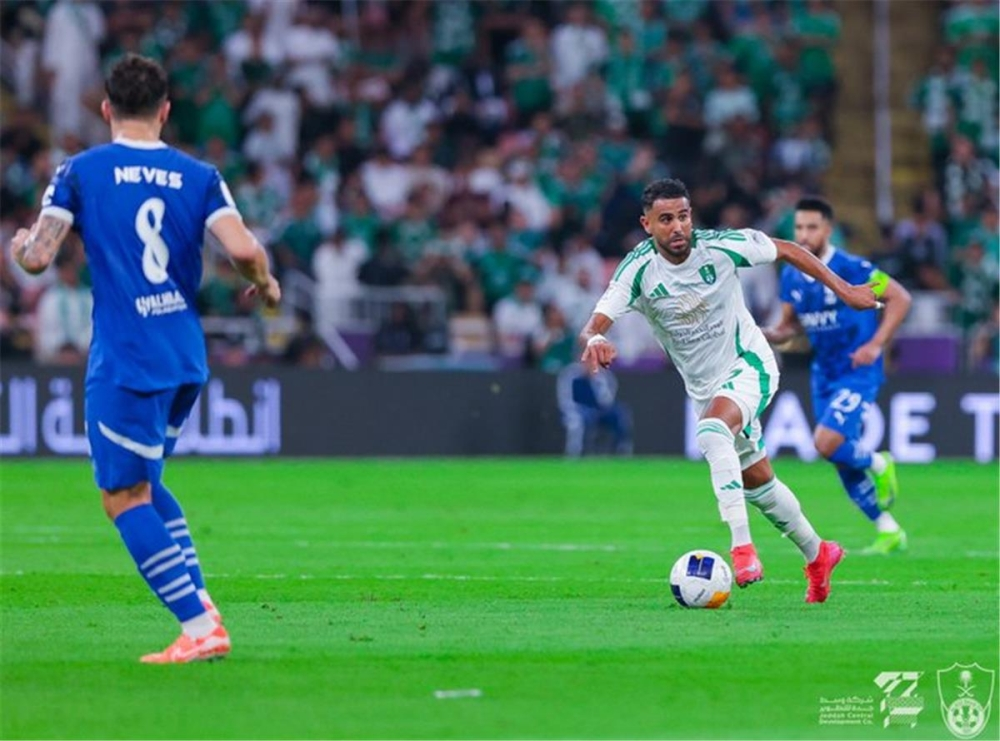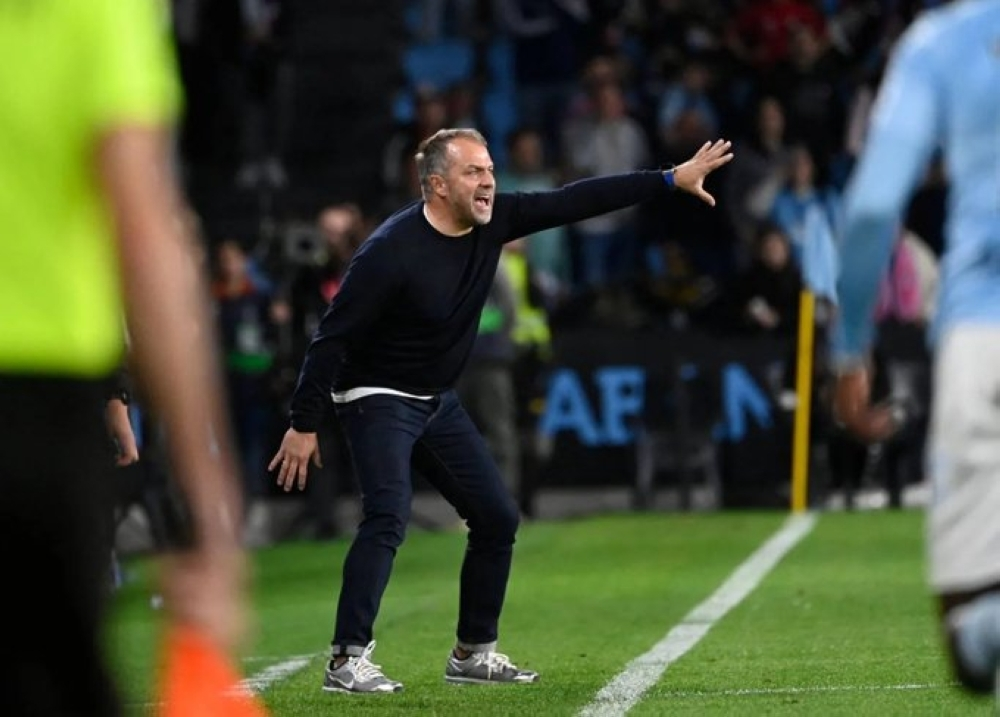
Al-Nassr's Portuguese coach, Luis Castro, clarified the real reasons behind the sudden absence of his compatriot and star midfielder, Otavio Monteiro, from the squad that faced Al-Taawoun in the Saudi Professional League. Castro's statements, made during the post-match press conference, dispelled the rumors and speculation circulating among fans and the media regarding the player's condition.
Castro confirmed that Otavio's exclusion was not due to any injury or disciplinary issue, but was a purely technical decision related to the Saudi Arabian Football Federation's regulations regarding the number of foreign players allowed in each matchday squad. The coach pointed out that he has a wealth of foreign talent at his disposal, which necessitates making difficult decisions and rotating players in every round to ensure the best possible technical and tactical balance for the team, based on the opponent and the adopted game plan.
General context and challenge of the foreigners list
This decision comes amidst the significant development of the Saudi Professional League, which has become a destination for some of the world's top football stars. With regulations allowing clubs to register a large number of foreign players, coaches face the ongoing challenge of selecting a squad limited to eight foreign players per match. Otavio, who joined Al-Nassr in the summer of 2013 from Porto in a record-breaking transfer, is a key player for the "Global" team thanks to his dynamism and ability to link the midfield and attack, making his absence from any match a noteworthy event.
The importance of the decision and its expected impact
Domestically, Castro's decision demonstrates the depth and strength of Al-Nassr's squad, allowing him the luxury of resting a player of Otavio's caliber in some matches without significantly impacting the team's performance. This decision also reflects the coach's strong confidence in all members of his team, both local and foreign. Regionally, these tactical decisions highlight the high level of competition in the Saudi League, where the presence of international stars is no longer sufficient to guarantee a starting position; performance, readiness, and alignment with the coach's plans have become the primary criteria. Internationally, European football fans closely follow the progress of their former stars, and any absence of one of them sparks analysis regarding their adaptation and the new challenges they face in a different footballing environment, making explanations from coaches essential to reassure fans.