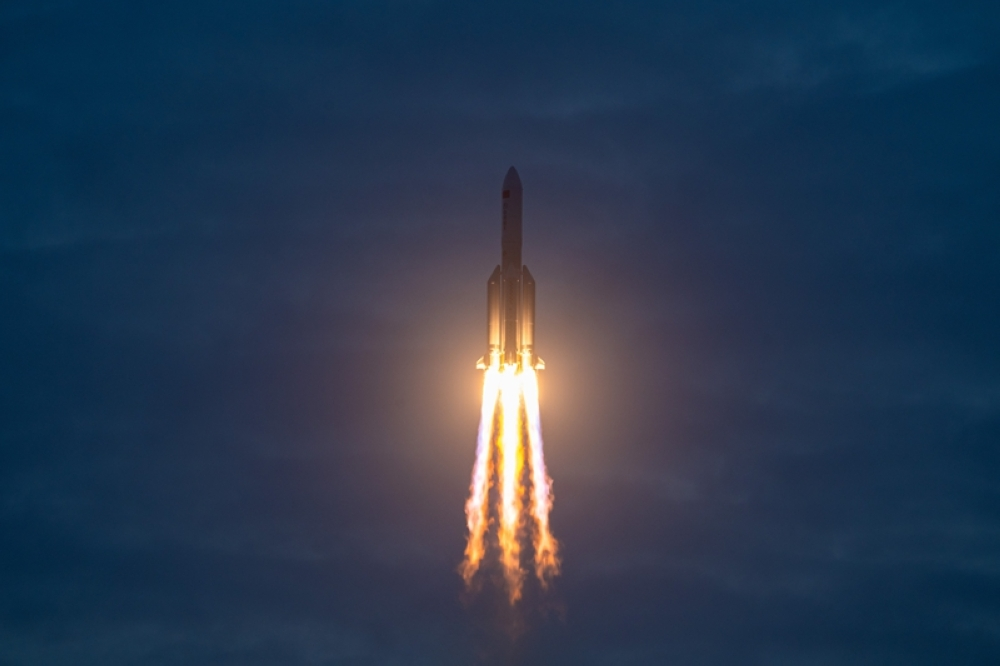
في خطوة استراتيجية تعكس التوجه العالمي المتزايد نحو تعزيز البنية التحتية الفضائية، أطلقت كندا بنجاح 10 أقمار اصطناعية جديدة إلى مدار أرضي منخفض (LEO)، وذلك بالتعاون مع شركة "سبيس إكس" (SpaceX) الأمريكية الرائدة في مجال النقل الفضائي. وتأتي هذه العملية كجزء من خطة كندية طموحة لبناء شبكة اتصالات فضائية فائقة السرعة وتطوير قدرات معالجة البيانات خارج الغلاف الجوي.
تفاصيل المهمة والقدرات التقنية
تتميز الأقمار الاصطناعية الجديدة، التي يبلغ وزن الواحد منها حوالي 300 كيلوجرام، بمواصفات تقنية متقدمة تجعلها أشبه بمراكز بيانات طائرة. وبحسب المعلومات المعلنة، فإن هذه الأقمار ليست مجرد أدوات للاتصال التقليدي، بل صممت لتعمل كمراكز بيانات مدارية قادرة على تخزين تيرابايتات من المعلومات الضخمة.
والأهم من ذلك، هو تزويد هذه الأقمار بقدرات تشغيل أعباء عمل الذكاء الاصطناعي (AI) مباشرة في الفضاء. هذه التقنية، المعروفة بـ "الحوسبة الحافة" (Edge Computing) في الفضاء، تسمح بمعالجة البيانات فور التقاطها بدلاً من إرسالها خاماً إلى الأرض، مما يوفر سرعة استجابة غير مسبوقة وكفاءة عالية في إدارة النطاق الترددي.
الشراكة مع سبيس إكس والوصول للمدار المنخفض
يعد الاعتماد على شركة "سبيس إكس" وصواريخها من طراز "فالكون 9" خياراً استراتيجياً لكندا وللعديد من الدول والشركات حول العالم، نظراً للموثوقية العالية والتكلفة المنخفضة نسبياً التي توفرها تقنية الصواريخ القابلة لإعادة الاستخدام. ويسمح المدار الأرضي المنخفض، الذي استقرت فيه هذه الأقمار، بتقديم خدمات اتصالات ذات زمن انتقال منخفض (Low Latency)، وهو أمر حيوي لتطبيقات الدفاع، والاتصالات الحكومية، وخدمات الإنترنت عالي السرعة.
الأهمية الاستراتيجية لكندا
تكتسب هذه الخطوة أهمية خاصة لكندا نظراً لطبيعتها الجغرافية الشاسعة ومناطقها الشمالية النائية. فمن الناحية التاريخية، كانت كندا من الدول السباقة في تكنولوجيا الفضاء (مثل إطلاق القمر الصناعي ألويت-1 في الستينيات)، وتأتي هذه الخطوة لتعيد تأكيد سيادتها الرقمية والفضائية.
ستلعب هذه الشبكة دوراً محورياً في ثلاثة مجالات رئيسية:
- رصد الأرض: تحسين القدرة على مراقبة التغيرات البيئية، وحرائق الغابات، وذوبان الجليد في القطب الشمالي بدقة عالية ووقت فعلي.
- الدفاع والأمن: تعزيز قدرات المراقبة الحدودية والبحرية، وتوفير قنوات اتصال مشفرة وآمنة للقوات المسلحة الكندية.
- الاتصالات المتقدمة: سد الفجوة الرقمية في المناطق الريفية والنائية التي يصعب وصول كابلات الألياف الضوئية إليها.
مستقبل الذكاء الاصطناعي في الفضاء
يمثل دمج الذكاء الاصطناعي في الأقمار الاصطناعية تحولاً نوعياً في صناعة الفضاء العالمية. فبدلاً من أن تكون الأقمار مجرد "مرايا" تعكس الإشارات، أصبحت الآن "عقولاً" قادرة على التحليل واتخاذ القرارات الأولية. هذا التطور يضع كندا في مصاف الدول المتقدمة التي تتبنى تقنيات الجيل القادم من البنية التحتية الفضائية، مما يعزز من مكانتها الاقتصادية والتقنية على الساحة الدولية.