Cambodian and Thai delegations began Wednesday , in a four-day diplomatic effort aimed at ending the escalating military clashes along their shared border. This diplomatic initiative comes at a critical time, as the region experiences heightened security tensions that have resulted in significant human and material losses.
The current meeting is being held at a border crossing in Thailand's Chanthaburi province. The Cambodian government in Phnom Penh had previously requested that the talks be held in a neutral area to ensure negotiations proceeded free from pressure, but the Thai government maintained its refusal, leading to the agreement on the current location. The Cambodian government released an official photograph of the two delegations to mark the start of the negotiations.
The roots of the conflict and its historical dimensions
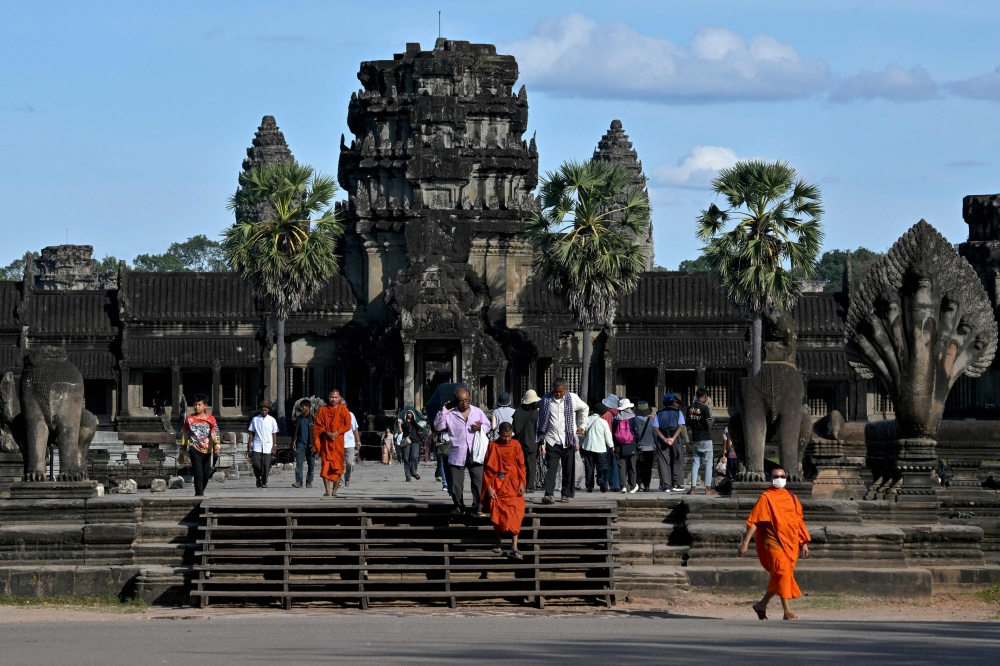
This tension is not a recent development, but rather stems from a complex historical background dating back to the colonial era. The two kingdoms dispute sovereignty over swathes of land along their nearly 800-kilometer border, with the disputes primarily centered around areas containing ancient temples from the Khmer Empire, most notably the Preah Vihar temple. The roots of the problem lie in the maps drawn by the French colonial authorities at the beginning of the 20th century, which created a discrepancy between natural geographical boundaries and the imposed political borders, making the region a recurring flashpoint of conflict every few years.
Efforts to de-escalate tensions and official positions
Cambodian authorities affirmed that the primary objective of these talks is "to ensure an immediate and comprehensive cessation of hostilities, restore security and stability, and facilitate a swift return to normalcy" in the border regions. Despite continued skirmishes and sporadic exchanges of fire, the Cambodian Ministry of the Interior expressed cautious optimism regarding the Thai side's commitment to the ceasefire.
For his part, Thai Defense Ministry spokesman Surasant Kongsiri told reporters in Bangkok: "I sincerely hope that this meeting will produce tangible positive results," while stressing that "the success of the negotiations depends entirely on the sincerity of Cambodian intentions, in word and deed.".
Humanitarian repercussions and previous agreements
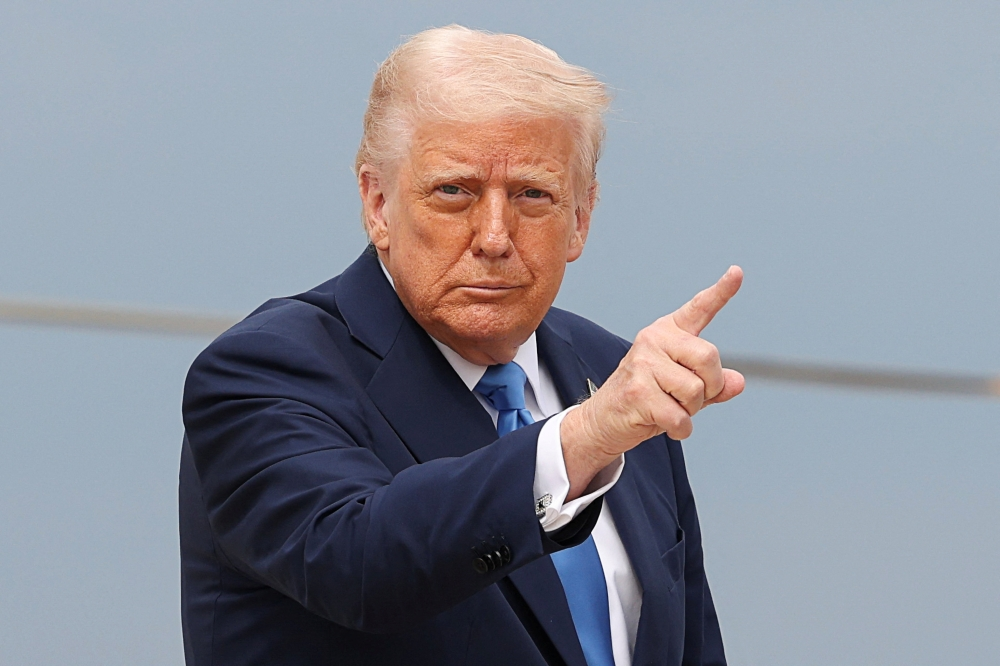
These talks come after a previous ceasefire agreement, signed at the end of October in Kuala Lumpur under the auspices of US President Donald Trump, faltered. Bangkok suspended the agreement a few weeks later following a landmine explosion that injured several of its soldiers, effectively returning the situation to square one.
Official statistics from both sides indicate that the latest round of fighting, which resumed on December 7, resulted in the deaths of at least 44 people (23 on the Thai side and 21 on the Cambodian side). Even more serious is the heavy human cost, as the clashes have displaced more than 900,000 people on both sides of the border, creating a humanitarian crisis that requires urgent intervention and international coordination to ensure the return of the displaced and provide them with necessary aid. There are also concerns about the impact of the ongoing conflict on the stability of Southeast Asia and the cohesion of the Association of Southeast Asian Nations (ASEAN).