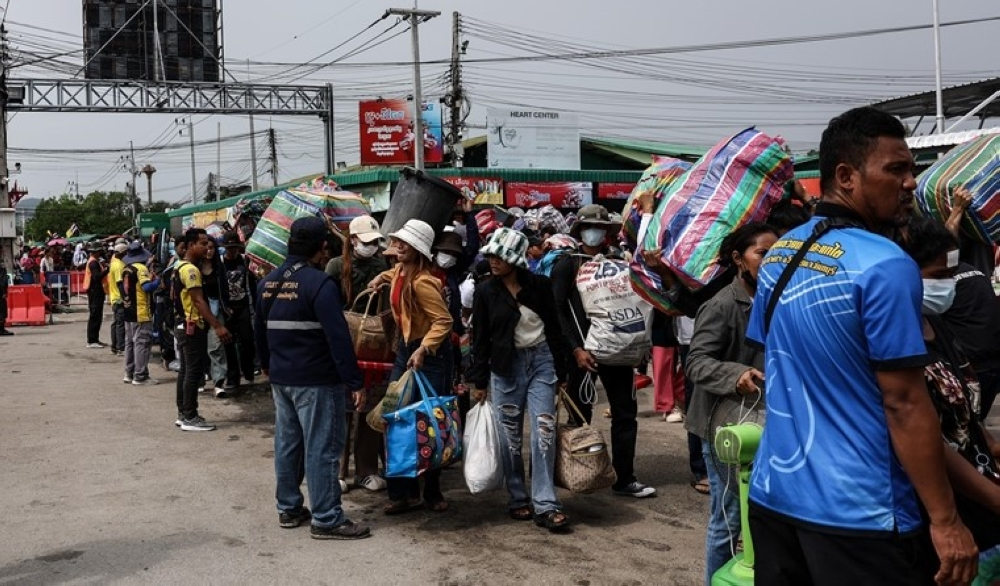
The border region between Cambodia and Thailand is witnessing an unprecedented humanitarian crisis, with authorities in Phnom Penh announcing that more than half a million Cambodians have been displaced from their homes, fleeing the ferocity of border clashes that have raged for two weeks. These developments come amid a dangerous military escalation involving artillery shelling and airstrikes, which have transformed border villages into direct combat zones.
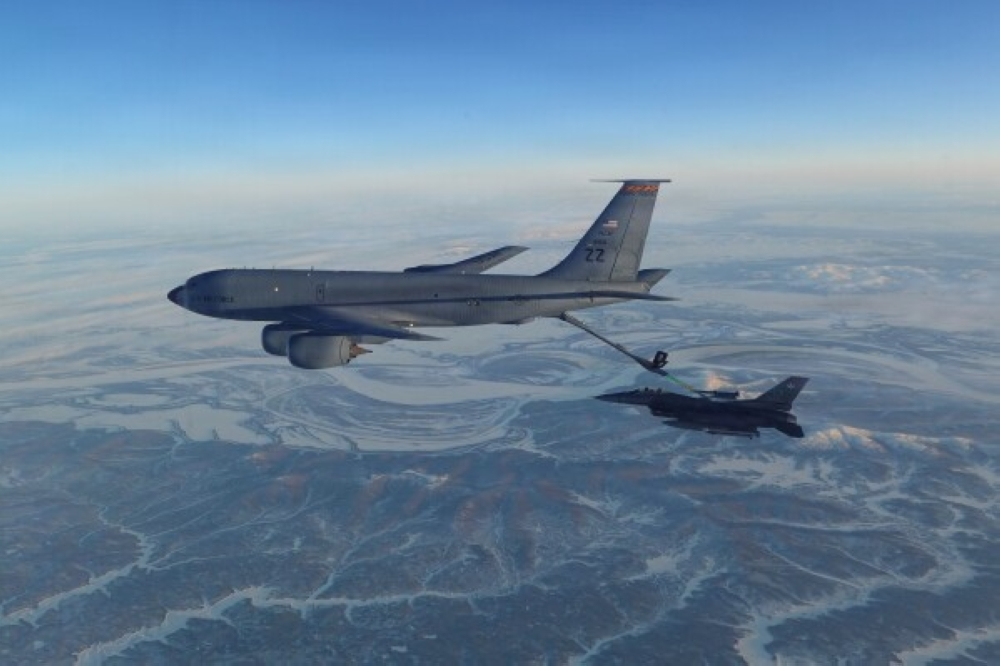
According to a statement issued by the Cambodian Ministry of the Interior, the total number of displaced persons has reached approximately 518,611, including large numbers of women and children who were forced to leave their schools and homes. The statement indicated that residents are fleeing the intensity of the fighting, including missile and airstrikes by Thai F-16 fighter jets, reflecting a level of military confrontation not seen in the region for years.
On the other side of the border, the situation is no less dire, with Thai authorities reporting that nearly 400,000 people have been displaced. Thai Defense Ministry spokesman Surasant Kongsiri stated that evacuations are ongoing, and while the number of people in temporary shelters has decreased, more than 200,000 displaced people remain in these centers awaiting improved security conditions.
The roots of the conflict and its historical background
These current clashes cannot be separated from the complex historical context of relations between the two neighboring countries. The shared border between Thailand and Cambodia stretches for over 800 kilometers and has been a scene of intermittent tensions for decades. The dispute over the ancient Hindu temple of Preah Vihear, a UNESCO World Heritage Site, is one of the most prominent points of historical contention. Although the International Court of Justice ruled in 1962 that the temple belonged to Cambodia, and reaffirmed this in a subsequent ruling in 2013 ordering the withdrawal of Thai troops from its vicinity, the areas surrounding the temple and the poorly demarcated border remain a flashpoint where clashes erupt periodically.
Regional and international repercussions
This military escalation raises serious concerns at both the regional and international levels. Regionally, the conflict places the Association of Southeast Asian Nations (ASEAN), to which both countries belong, in a precarious position, threatening the bloc's stability and hindering efforts at economic and security integration in the region. Furthermore, the ongoing fighting has brought trade across border crossings to a complete standstill, inflicting heavy losses on the economies of border regions and disrupting local supply chains.
Internationally, attention is focused with concern on this conflict, fearing its expansion. The use of warplanes and heavy artillery usually prompts urgent diplomatic interventions from major powers and the United Nations to call for restraint and a return to the negotiating table, to avoid the region sliding into an open war that could have disastrous consequences for civilians and stability in Southeast Asia.