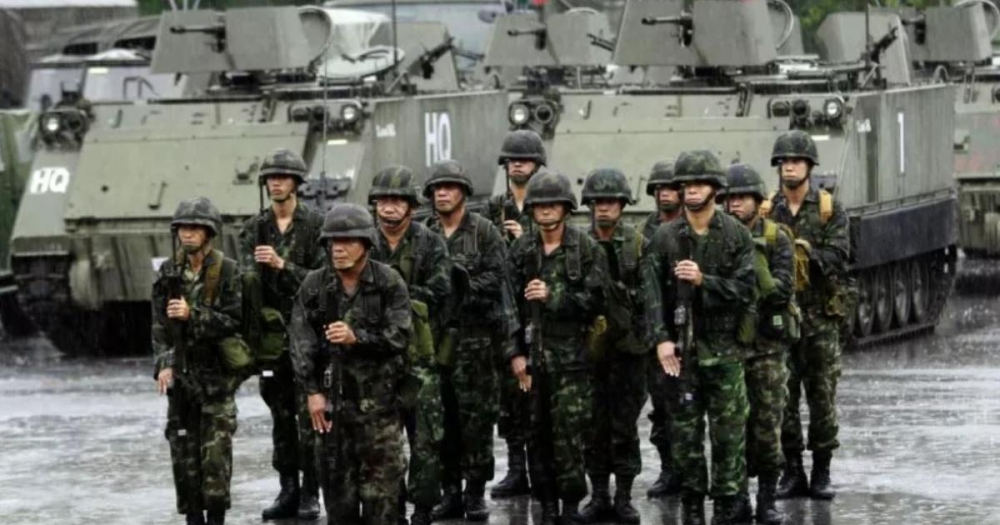
In a significant development in Southeast Asia, the Cambodian government announced on Saturday the complete suspension of operations at all land border crossings with its neighbor Thailand, amid escalating bloody military conflict between the two countries and mutual accusations of violating ceasefire agreements.
Decision to close the borders
The Cambodian Ministry of the Interior issued an official statement confirming the Royal Government's decision to suspend all entry and exit through all border crossings with Thailand. The statement clarified that this measure is effective "from now until further notice," reflecting the seriousness of the security situation on the ground and concerns about an escalation of military operations.
The ceasefire collapses and accusations of airstrikes arise
This decisive move came just hours after US President Donald Trump announced that the two neighboring countries had reached a ceasefire agreement. However, the situation on the ground contradicted diplomatic expectations, with Phnom Penh accusing Thai forces of continuing military operations.
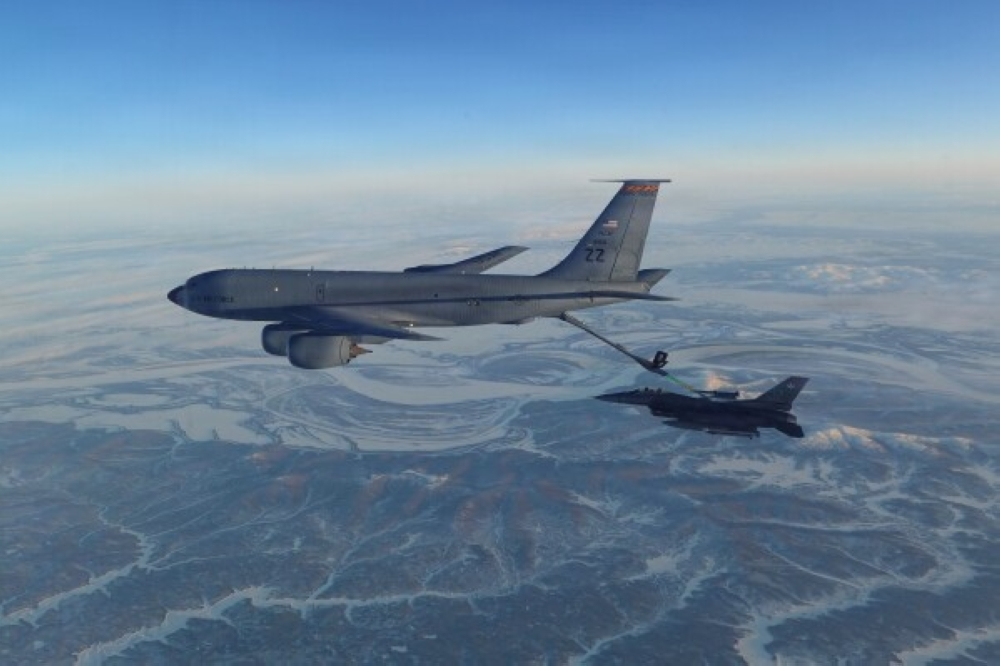
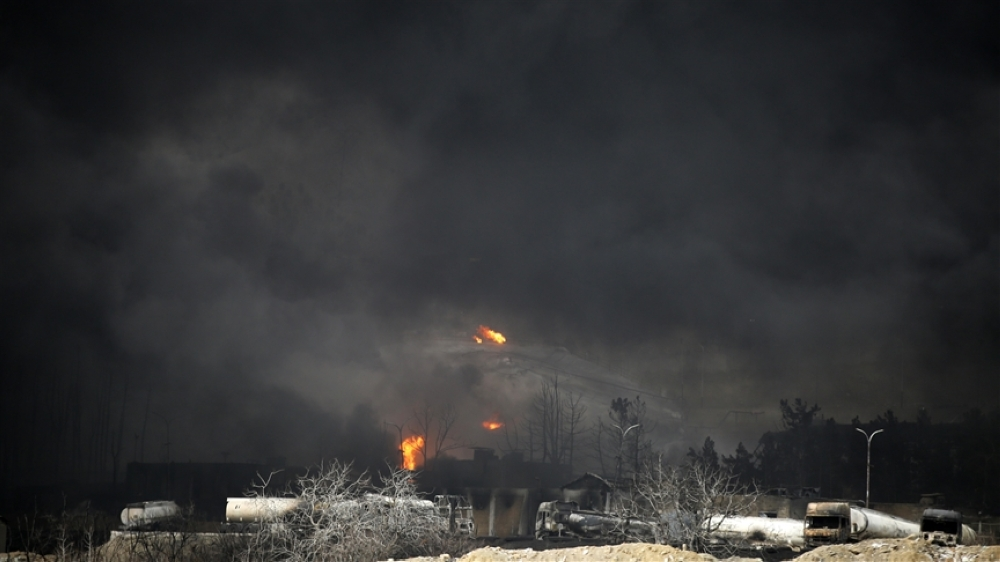
In detailing the escalation, the Cambodian Ministry of Defense stated in an official post on the “X” platform that the Thai army had violated the supposed ceasefire. The statement read: “On December 13, 2025, the Thai army used two F-16 fighter jets to drop seven bombs,” indicating that the targets were inside Cambodian territory, which constitutes a significant escalation in the use of air power.
Background of the historical conflict between the two countries
This current escalation cannot be separated from the complex historical context of relations between Cambodia and Thailand. The border dispute between the two countries has spanned decades and centers primarily on the demarcation of the boundary in the area surrounding the ancient Preah Vihear temple. This 11th-century Hindu temple has been the focus of a long-standing legal and military conflict.
Although the International Court of Justice ruled in 1962 that the temple belonged to Cambodia, and reaffirmed this in a 2013 interpretative ruling obligating Thailand to withdraw its troops from the surrounding area, tensions have not completely subsided. The shared border, stretching approximately 800 kilometers, remains subject to disputes over demarcation, making it a flashpoint for frequent clashes often influenced by the domestic politics of both countries.
Expected economic and regional repercussions
The closure of border crossings carries serious economic and humanitarian consequences. Trade between Thailand and Cambodia is a lifeline for border communities, with thousands of citizens relying on daily commutes for work and trade. This closure is expected to result in significant economic losses and disrupt supply chains for essential goods.
Regionally, this conflict is a source of concern for the Association of Southeast Asian Nations (ASEAN), which consistently strives to maintain stability in the region. Continued hostilities and the use of military aircraft could lead to broader international intervention, especially given the involvement of major powers like the United States in mediation efforts that have thus far been unsuccessful, leaving the region facing a range of unpredictable scenarios.