The Confederation of African Football (CAF) has announced the launch of a formal investigation into the unfortunate events that marred the match between Egypt's Al Ahly and Morocco's FAR Rabat, which included acts of hooliganism by some fans affiliated with the Egyptian team. This step follows an official complaint filed by the Moroccan club's management, supported by reports and video footage, condemning the unethical behavior exhibited by some of their supporters.
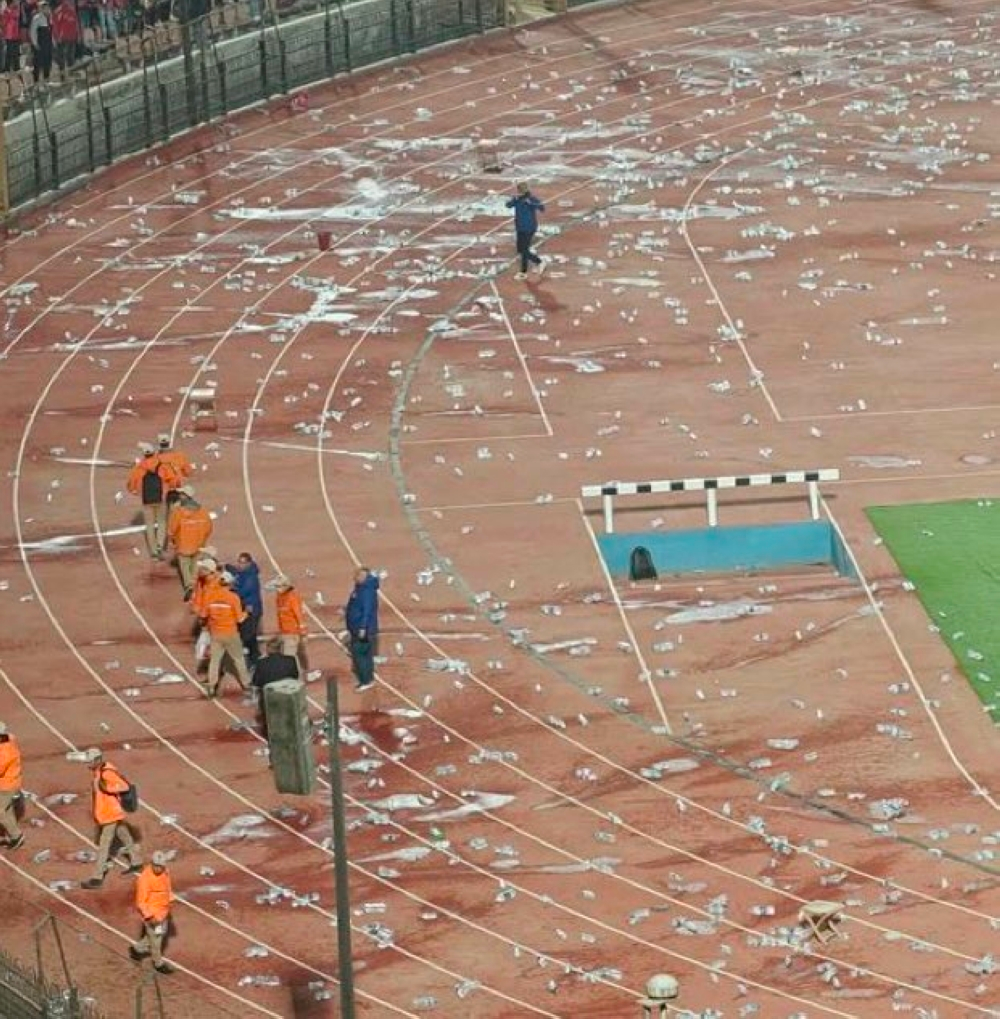
According to the statement issued by the Royal Army Club, the match witnessed a number of Al-Ahly fans throwing a large number of water bottles and other projectiles onto the field and its surroundings. The matter did not stop at this point, but extended to directly targeting some players of the opposing team, in actions that the Moroccan club’s management described as “unsportsmanlike” and “constituting a direct threat to the safety of the players and the technical staff,” and completely contrary to the principles of sportsmanship and fair competition that should prevail in the stadiums.
The context of historical rivalry in North Africa
This incident falls within the context of the fierce rivalry that characterizes football in North Africa. Matches between Egyptian and Moroccan clubs, as well as Tunisian and Algerian clubs, are often intense and exciting due to their long history of competing for continental titles. While this competitive spirit lends matches a special character, it sometimes escalates into tensions that transcend the realm of sports. The Confederation of African Football (CAF) has a long history of dealing with such transgressions, and its disciplinary regulations stipulate clear and strict penalties for addressing stadium violence, ranging from financial fines to playing behind closed doors, and even banning clubs from participating in continental competitions.
The importance and expected effects of the decision
The African and Arab sports community is eagerly awaiting the Confederation of African Football's (CAF) Disciplinary Committee's decision, as it will be a key indicator of the federation's commitment to combating violence in stadiums. Domestically, Al Ahly, one of the continent's biggest and most prestigious clubs, could face sanctions that impact its campaign in the tournament, whether through hefty fines or by being barred from having fans in attendance at crucial upcoming matches. Regionally, the decision will help define the future relationship between the two clubs' supporters and may set a precedent for dealing with similar incidents in continental matches. Internationally, these events highlight once again the challenges facing African football in its quest to provide a safe and enjoyable sporting experience, and underscore the need for concerted efforts from all stakeholders—federations, clubs, and fans—to ensure that football remains a vehicle for unity and fair competition.