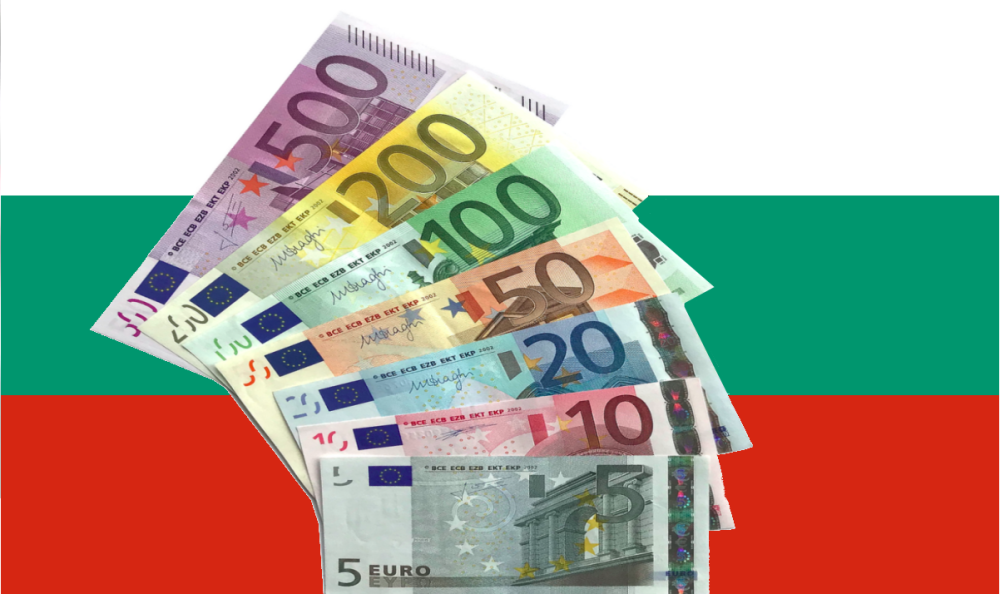
As the clock struck midnight, Bulgaria entered a pivotal moment in its economic and political history, officially adopting the euro as its national currency and becoming the 21st country to join the European Monetary Union. This event culminates a long process spanning nearly two decades since Sofia joined the European Union in 2007.
The end of the Bulgarian "lev" era
By midnight on Thursday (22:00 GMT on Wednesday), the Balkan nation bid farewell to its national currency, the lev, which had been a symbol of the country's financial independence since the late 19th century. This shift was not entirely unexpected by the markets, as the Bulgarian lev had already been pegged to a fixed exchange rate against the euro for many years by a currency board, which technically paved the way for this significant move. However, the formal adoption of the new currency signifies a complete abandonment of independent monetary policy in favor of decisions made by the European Central Bank in Frankfurt.
Economic and strategic importance
Bulgaria's accession to the Eurozone carries profound strategic implications; it strengthens its integration into the heart of the European project and distances it from the traditional sphere of Eastern influence. Economically, the Bulgarian government hopes this transition will reduce the costs of trade with European partners, attract foreign direct investment, boost the tourism sector—a cornerstone of the domestic economy—and provide greater financial stability in the face of global crises.
Public concerns and the challenges of inflation
Despite official optimism, a sense of anticipation and caution prevails among the Bulgarian public. The main concern revolves around the potential for unjustified price increases, a phenomenon known as the "cappuccino effect," where merchants round up prices from the local currency to the euro. To reassure the public, authorities have pledged to strictly monitor markets during the transition period to ensure the currency change is not exploited for artificial inflation, asserting that the long-term benefits of economic stability will outweigh any temporary challenges.
With this move, Bulgaria joins the ranks of countries that have abandoned their national currencies to promote European unity, at a time when the global economy is facing numerous challenges, making the Eurozone's financial umbrella a haven sought by countries to ensure their financial and monetary stability.