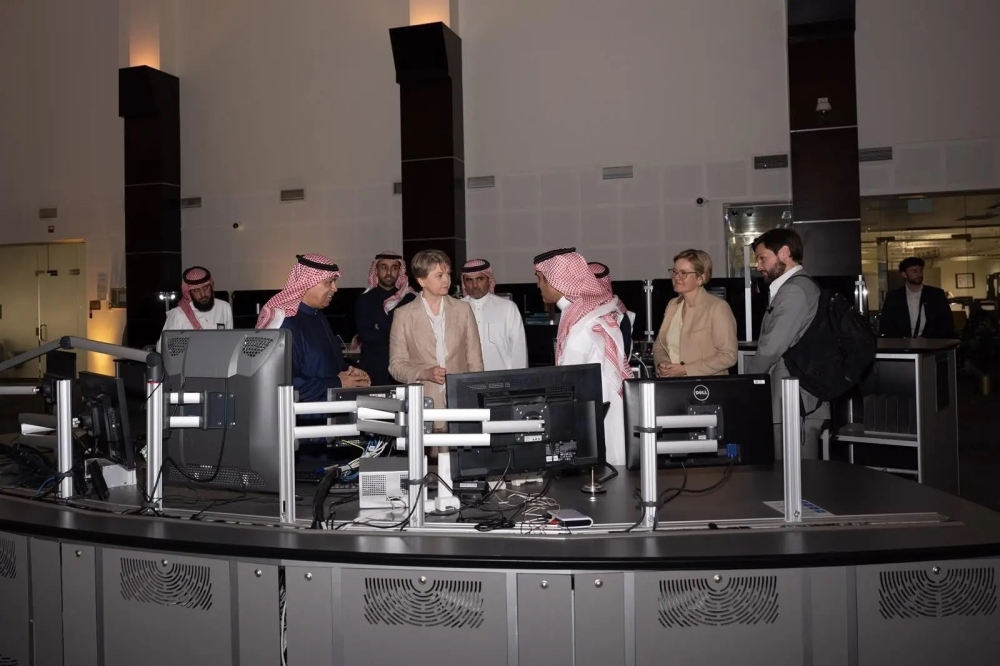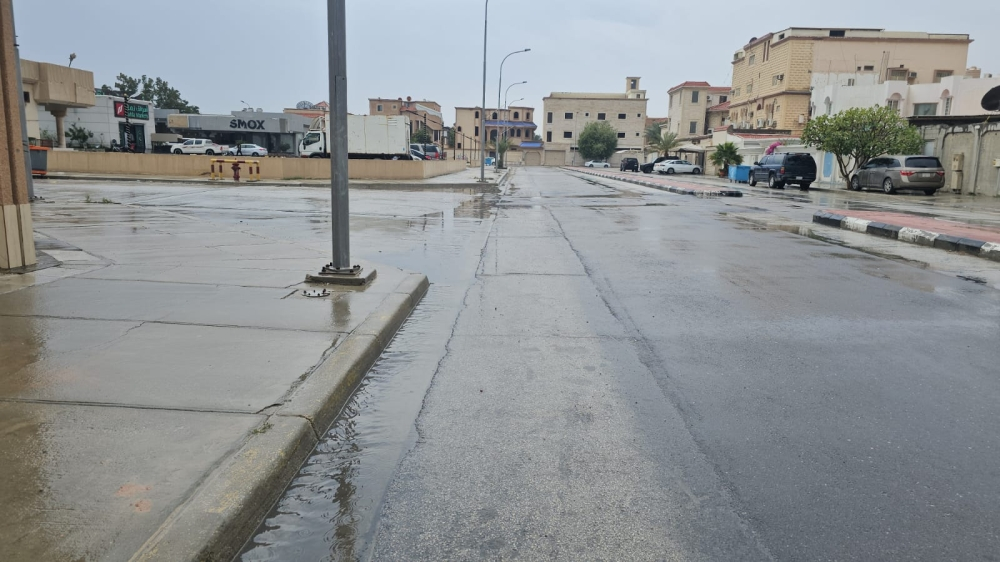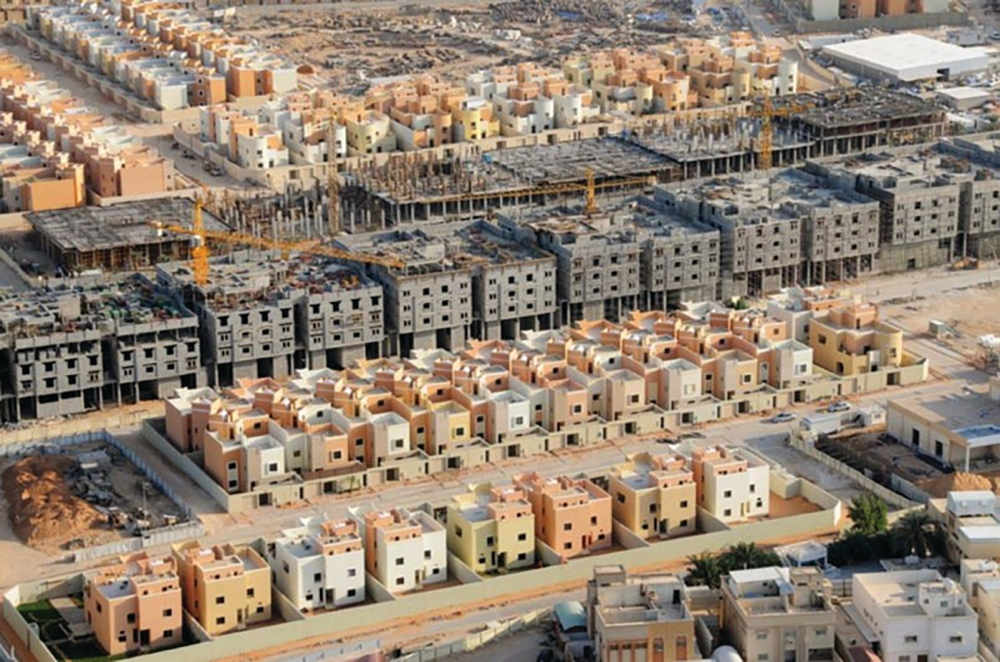
The Ministry of Municipalities and Housing in Saudi Arabia announced the launch of the second phase of the “Building Compliance Certificate” initiative, a strategic step aimed at enhancing efforts to improve the urban landscape across the Kingdom’s cities. This step complements the ongoing work to regulate the built environment according to precise standards that directly contribute to eliminating visual pollution, in line with the goals of Saudi Vision 2030 to raise the quality of life.
Details of the second phase and the corrective period
The ministry explained in its official statement that the second phase includes a package of updated implementation procedures, most notably the identification of new targeted buildings and their technical integration with the geographic information system. To ensure smooth implementation, the ministry approved a six-month grace period from the date of the decision, allowing building owners the opportunity to fulfill the necessary requirements to obtain the certificate. The ministry emphasized that the certificate is issued completely free of charge through a streamlined process and is valid for three years.
Context of the initiative and quality of life goals
This initiative is not an isolated measure, but rather an integral part of the Quality of Life Program, one of the most important programs of the Kingdom's Vision 2030. Historically, some cities have suffered from a disparity in urban styles and the proliferation of visual pollution that has affected their urban identity. Since the launch of the Vision, relevant authorities have worked to develop legislation that ensures a unified urban design and addresses unsightly elements such as haphazard external extensions, dilapidated facades, and irregular building awnings, to guarantee a sustainable and attractive urban environment.
Successes of the first phase in numbers
The ministry reviewed the results of the first phase, which achieved tangible success, reflecting widespread commitment from property owners. According to official statistics, 95,835 buildings received compliance certificates, achieving 100% of the target. The number of applications submitted exceeded 102,708, and monitoring teams kept pace with this progress by conducting more than 175,000 field visits to ensure adherence to the approved standards.
Expected economic and urban impact
Adherence to building compliance standards is of paramount importance, extending far beyond aesthetics. It directly contributes to increasing the market value of real estate and enhances the attractiveness of Saudi cities for investment and tourism. Unifying the overall appearance and reducing haphazardness creates a safe and reliable investment environment and promotes the psychological well-being of residents by providing visually pleasing and organized spaces. This certification serves as a regulatory tool that ensures the sustainability of projects and elevates the quality of their execution.
In closing its statement, the Ministry of Municipalities and Housing called on all building owners and investors to take advantage of the grace period and respond quickly to the requirements, stressing that the regulatory procedures and prescribed penalties will be applied to non-compliant buildings immediately after the specified deadline, in order to preserve urban achievements and ensure the continued improvement of the urban landscape.