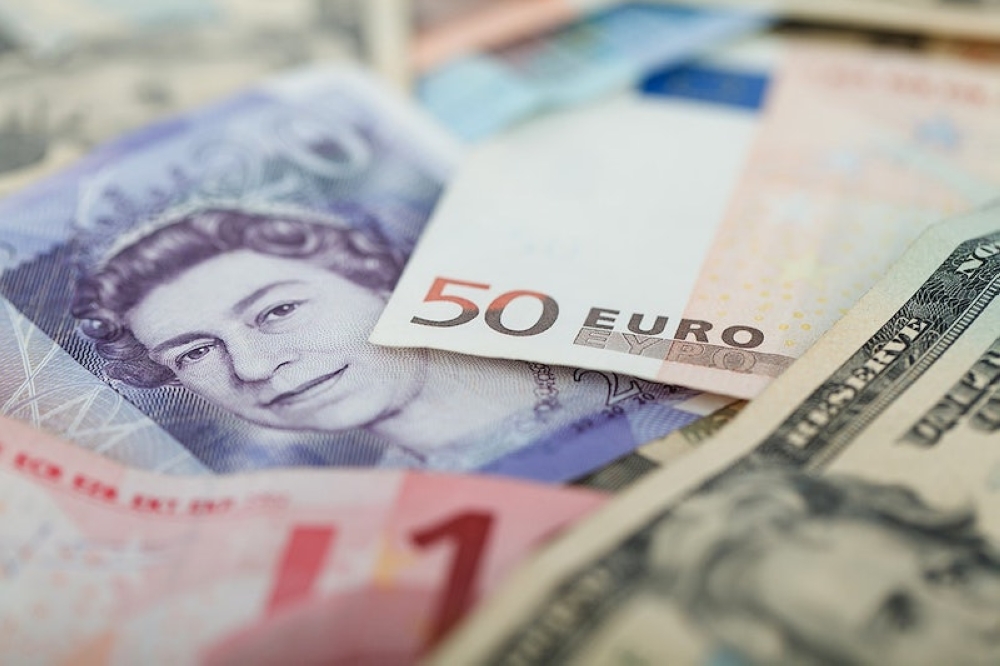
The British pound performed strongly during today's trading session, registering a notable rise against the two major currencies, the US dollar and the euro, in a move reflecting market reaction to a range of economic and political factors. This comes amid a volatile global currency market, where investors are closely monitoring economic indicators from major economies.
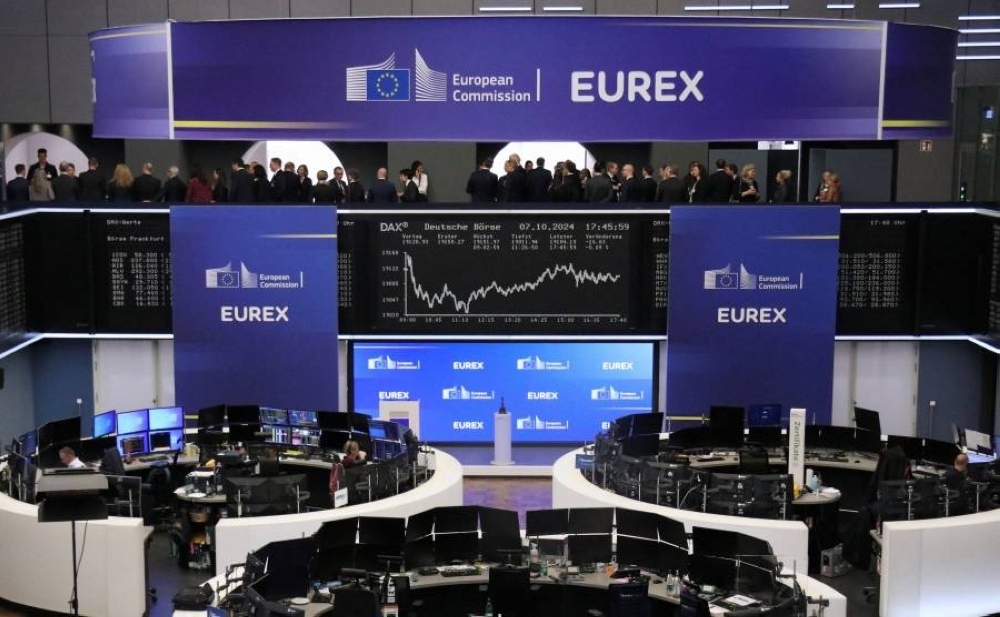
At the close of trading in London, the pound sterling was trading at $1.3614, up 0.58%. Meanwhile, the pound also strengthened against the euro, reaching €1.1520, a gain of 0.30%. This positive performance for the British currency coincided with a rise in London's main stock index (FTSE 100), which closed 0.59% higher, adding 60.53 points to reach 10,369.75.
Historical background and importance of the British pound
The British pound (GBP) is one of the oldest currencies still in circulation in the world and holds a prominent position in the global financial system. Historically, the pound was the world's primary reserve currency, and although the US dollar replaced it after World War II, the pound remains the fourth most traded currency in the global forex market after the dollar, the euro, and the Japanese yen. The value of the pound is directly affected by the monetary policy of the Bank of England, inflation rates, GDP growth, and political stability in the United Kingdom, particularly in the post-Brexit era.
Local and international economic impacts
The rising value of the pound sterling has mixed effects on the British economy. Domestically, a stronger currency makes imports cheaper, which can help curb inflation and give consumers more purchasing power for imported goods. However, this rise also poses a challenge for British exporters, as their goods and services become more expensive for foreign buyers, potentially impacting the country's trade balance.
Internationally, the GBP/USD currency pair, known in financial markets as the "Cable," is one of the most liquid and actively traded pairs. Its movements reflect not only the strength of the British and American economies but also the risk appetite of global investors. The relationship between the pound and the euro (EUR/GBP) is particularly important, as it is a barometer of trade and financial relations between the United Kingdom and the Eurozone, its largest trading partner, and is significantly affected by developments in post-Brexit trade negotiations and agreements.