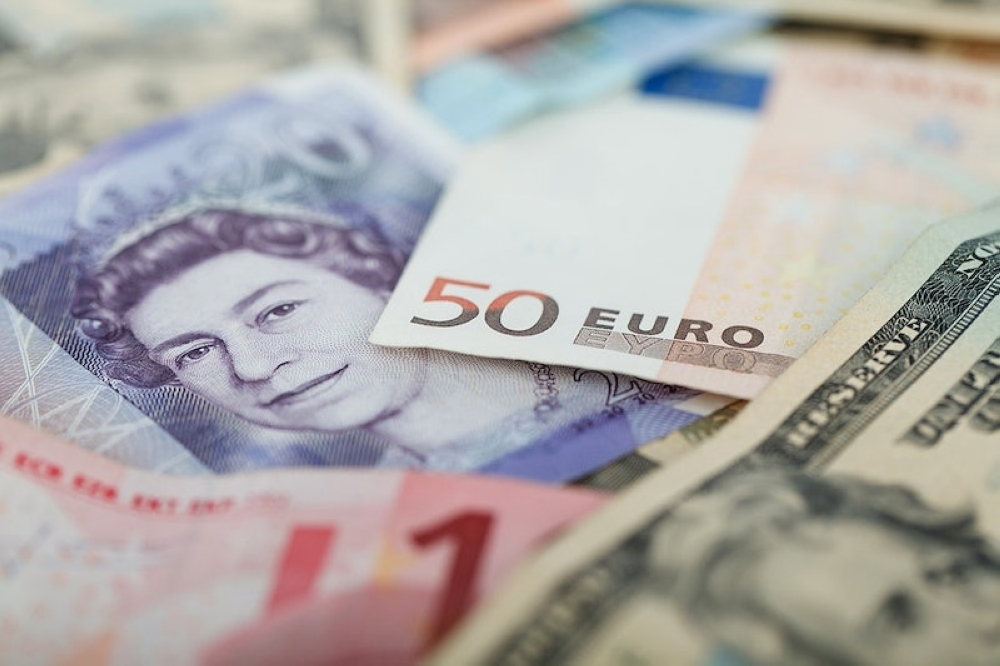
Contradictory performance of the British pound in global markets
The British pound saw mixed performance in global currency markets on Monday, rising significantly against the US dollar while falling against the euro. This reflects the tug-of-war between various economic factors affecting the UK economy and its main trading partners. London markets closed amid these movements, which investors are closely monitoring.
In detail, the British pound rose 0.37% against the US dollar, closing at $1.3663. Conversely, the pound fell 0.26% against the euro, settling at €1.1490.
Historical background and importance of the “Cable” pair (GBP/USD)
The GBP/USD pair, historically known as the "cable" currency pair, is one of the most liquid and traded currency pairs in the world. This name dates back to the 19th century when exchange rates between the London and New York stock exchanges were transmitted via a massive communications cable under the Atlantic Ocean. This pair is directly influenced by the monetary policies of both the Bank of England and the US Federal Reserve, as well as key economic data such as inflation, growth, and unemployment figures in both countries. A rise in the pound against the dollar typically reflects greater confidence in the UK economy or expectations of an interest rate hike by the Bank of England.
The complex relationship with the euro and the effects of Brexit
The pound's decline against the euro reflects the complex and ongoing dynamics between the UK and Eurozone economies, particularly in the post-Brexit era. Decisions by the European Central Bank and Eurozone growth and inflation data play a crucial role in determining the euro's strength. This decline directly impacts trade between the UK and its largest trading partners, making British exports to Europe cheaper while simultaneously increasing the cost of European imports.
Implications for the British stock market
These movements in the currency market coincided with a modest positive performance in the UK stock market, where the FTSE 100, London's main index, closed slightly higher by 0.16%. The index, which comprises the 100 largest listed companies in Britain, added 16.48 points to close at 10,386.23. Companies listed on this index, many of which generate profits in foreign currencies, are often affected by fluctuations in the pound's exchange rate, as a stronger pound can reduce the value of their earnings when converted back into the local currency.