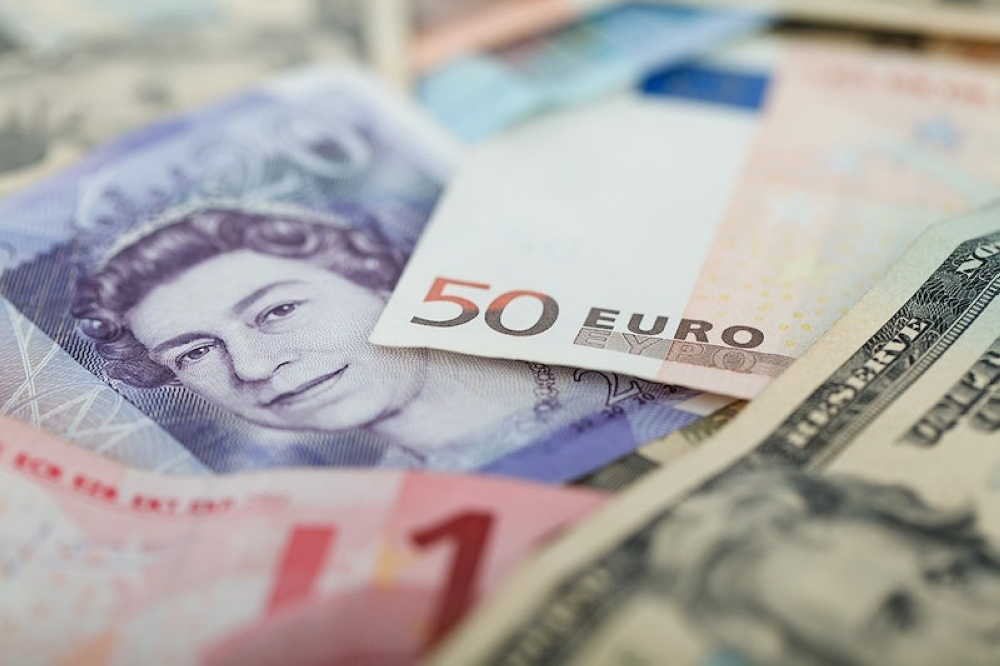
The British pound saw a notable positive performance during Friday's trading session, rising against the two major currencies, the US dollar and the euro. This recovery comes as global markets await key economic data and monetary policy decisions from major central banks, adding further weight to the movements of the British currency.
With markets closed in London, the pound was trading at 1.3478 against the US dollar, a gain of 0.09%. Meanwhile, sterling rose against the euro to 1.1452, up 0.12%. While these gains may seem modest, they are significant given the current volatile global economic climate.
General context and reasons for the increase
This strong performance of the British pound comes amid the Bank of England's ongoing battle to curb high inflation, which has impacted the UK economy, as it has many other major economies worldwide. The central bank has adopted a tight monetary policy, characterized by a series of interest rate hikes, aimed at controlling price pressures. While this policy aims to stabilize the economy in the long term, it also makes the pound more attractive to investors seeking higher returns, thus supporting its value in the foreign exchange markets.
Historically, the British pound, one of the world's oldest currencies, has experienced periods of sharp fluctuations, most notably in recent years due to the fallout from Brexit, which reshaped Britain's trade relations and added uncertainty to the future of the economy. However, the British economy has demonstrated resilience in the face of these challenges, and positive indicators, even if temporary, are bolstering investor confidence.
Importance and expected effects
The rise in the value of the British pound has varying effects on different sectors of the British economy and global markets:
- Domestically, a strong pound helps lower the cost of imports, which could help mitigate inflation for consumers and businesses that rely on imported raw materials. Conversely, it makes British exports more expensive for foreign buyers, potentially posing a challenge for exporting companies.
- Regionally and internationally, the GBP/USD currency pair, known in forex markets as the "Cable," is one of the most traded pairs in the world. Its movements reflect not only the strength of the British economy relative to the US economy, but also investor sentiment towards global risks. Furthermore, the relationship between the pound and the euro remains crucial due to the substantial volume of trade between the UK and the Eurozone.
Analysts view this rise as a positive step, but they warn that the continuation of this trend depends heavily on upcoming economic data, particularly inflation and growth figures, as well as future interest rate decisions by the Bank of England, the US Federal Reserve and the European Central Bank.