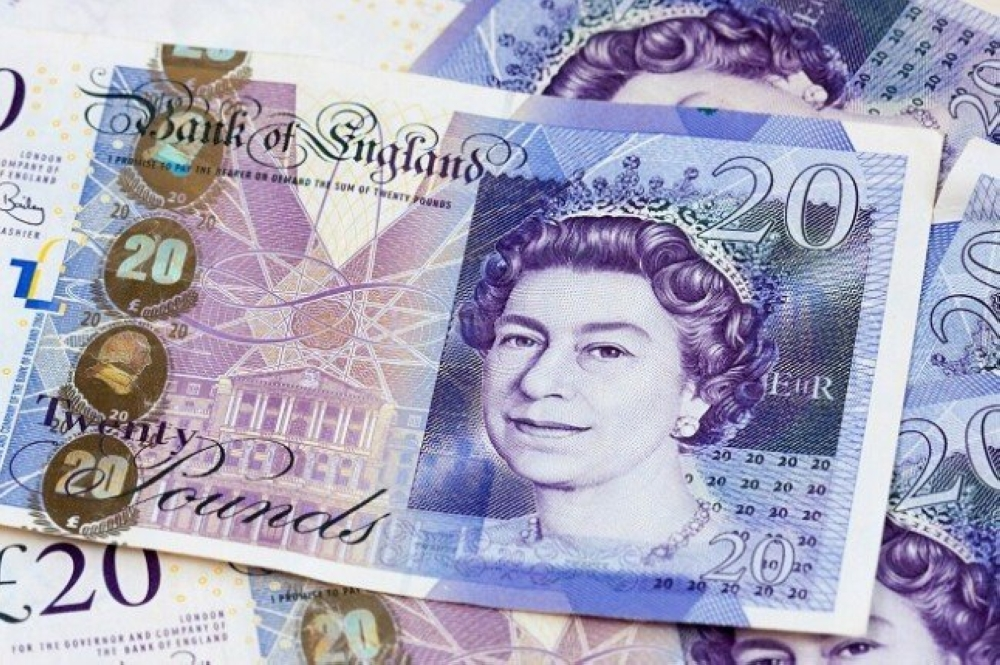
The British pound fell sharply in trading today, and UK government bond yields also declined, in a direct market reaction to economic data showing a deterioration in the UK labor market. Official figures revealed that the unemployment rate had risen to its highest level in five years, accompanied by a slowdown in wage growth, raising concerns among investors about the strength of the British economy and increasing the likelihood of an interest rate cut sooner than expected.
General economic context and current challenges
This development comes at a time when the British economy is facing multiple challenges, beginning with the fallout from Brexit and exacerbated by the global inflation crisis that followed the COVID-19 pandemic. Over the past two years, the Bank of England (the UK's central bank) has pursued a tight monetary policy, repeatedly raising interest rates to curb inflation, which had reached record highs. While this policy has been successful in gradually reducing inflation, it has negatively impacted economic growth and led to a slowdown across various sectors, the effects of which are now being felt in the labor market, which was previously considered a relative strength of the economy.
Data details and their direct impact
According to the data released, the pound fell 0.2% against the US dollar to $1.359. The employment report indicated a decline in registered employment, reflecting a weakening ability of companies to create new jobs or even retain existing ones. The unemployment rate rose to 5.2%, a worrying figure that is prompting analysts to reassess their economic forecasts. Meanwhile, yields on 10-year UK government bonds fell by 3 basis points to 4.36%, while yields on 2-year bonds declined by 2 basis points to 3.56%, reflecting increased investor demand for safe-haven assets and expectations of future interest rate cuts.
Importance and expected effects
Domestically, this data puts the Bank of England in a difficult position. On the one hand, it must continue to monitor inflation, while on the other, it faces increasing pressure to ease monetary policy and support the struggling economy. Futures contracts now indicate that markets are pricing in a 75% probability of the bank cutting interest rates at its next meeting, with at least two cuts expected this year. Internationally, the weaker pound may make British exports more competitive, but it also raises the cost of imports, potentially fueling new inflationary pressures and impacting citizens' livelihoods. The Bank of England's upcoming decisions will be closely watched, as they will determine the trajectory of the pound and the British economy in the short and medium term.