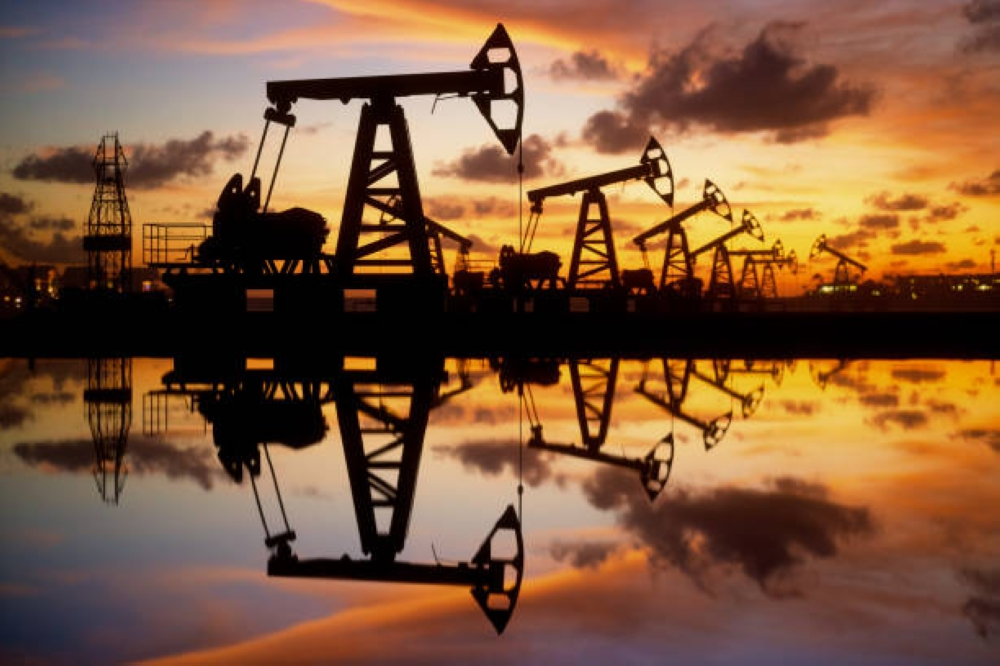
شهدت أسواق الطاقة العالمية قفزة كبيرة في الأسعار، حيث تجاوز سعر خام برنت القياسي عتبة 70 دولاراً للبرميل يوم الخميس، مسجلاً أعلى مستوى له منذ سبتمبر الماضي. يأتي هذا الارتفاع الملحوظ في ظل تصاعد التوترات الجيوسياسية في منطقة الشرق الأوسط، وتحديداً مع التهديدات التي أطلقها الرئيس الأمريكي دونالد ترامب بشن ضربة عسكرية ضد إيران.
خلفية التوترات وأثرها المباشر على الأسواق
لم يأتِ هذا التصعيد من فراغ، بل هو حلقة في سلسلة من التوترات المستمرة بين الولايات المتحدة وإيران، والتي بدأت تتخذ منحى أكثر خطورة منذ انسحاب واشنطن من الاتفاق النووي الإيراني في عام 2018 وإعادة فرضها للعقوبات الاقتصادية. وقد أدت هذه السياسة، المعروفة بـ “الضغط الأقصى”، إلى تقييد صادرات النفط الإيرانية بشكل كبير، مما خلق حالة من عدم اليقين في أسواق النفط. التهديدات الأخيرة بضربة عسكرية مباشرة رفعت منسوب القلق لدى المستثمرين والتجار، الذين يخشون من اندلاع صراع واسع النطاق قد يعطل إمدادات النفط من منطقة حيوية للعالم.
أهمية مضيق هرمز الاستراتيجية
تكمن خطورة أي نزاع محتمل في تأثيره المباشر على مضيق هرمز، الذي يعد أهم ممر مائي في العالم لنقل النفط. يمر عبر هذا المضيق الضيق ما يقرب من خُمس استهلاك النفط العالمي يومياً، وأي إغلاق أو اضطراب في حركة ناقلات النفط والغاز فيه سيؤدي حتماً إلى صدمة في إمدادات الطاقة العالمية وقفزة هائلة في الأسعار. وفي هذا السياق، اعتبر المحلل لدى “هارغريفز لانسداون”، ديرين نايثن، أن أي نزاع قد يؤثر ليس فقط على إنتاج إيران البالغ ثلاثة ملايين برميل يومياً، بل أيضاً على سلامة الملاحة في المضيق بأكمله.
تحليل حركة الأسعار وتوقعات الخبراء
في تفاصيل التداولات الصباحية في لندن، ارتفع سعر خام برنت بحر الشمال بنسبة 2.4% ليبلغ 70.06 دولاراً للبرميل، بينما صعد سعر خام غرب تكساس الوسيط الأمريكي بنسبة 2.6% ليصل إلى 64.82 دولاراً للبرميل. وأرجع محللون لدى “دي أن بي” هذا التطور في الأسعار بشكل مباشر إلى “تهديدات الرئيس ترامب حيال إيران”. وأشاروا إلى أن الأسواق تقوم حالياً بتسعير “علاوة مخاطر” إضافية تحسباً لأي تطورات عسكرية. وأضاف نايثن أن “برنت بلغ أعلى مستوياته في أربعة أشهر مع احتدام الحرب الكلامية” بين واشنطن وطهران، مما يعكس حساسية السوق الشديدة للأخبار السياسية القادمة من المنطقة.
التأثيرات الاقتصادية العالمية والإقليمية
إن استمرار ارتفاع أسعار النفط له تداعيات اقتصادية واسعة. فبالنسبة للدول المستوردة للطاقة مثل الصين والهند ودول أوروبا، يعني ذلك زيادة في تكاليف الإنتاج والنقل، مما قد يؤدي إلى ضغوط تضخمية وتباطؤ في النمو الاقتصادي. على الجانب الآخر، تستفيد الدول المصدرة للنفط، خاصة في منطقة الخليج، من ارتفاع الإيرادات، مما يدعم ميزانياتها العامة. ومع ذلك، فإن شبح الصراع الإقليمي يلقي بظلاله على الجميع، حيث إن الاستقرار والأمن يظلان الشرط الأساسي لازدهار اقتصادات المنطقة والعالم.