In a diplomatic move aimed at averting armed conflict in the Western Hemisphere, Brazil and Mexico have offered to mediate the escalating crisis between the United States and Venezuela. Brazilian President Luiz Inácio Lula da Silva and his Mexican counterpart, Claudia Sheinbaum, have expressed their full readiness to intervene diplomatically to de-escalate tensions that have recently reached unprecedented levels.
Urgent Brazilian and Mexican moves
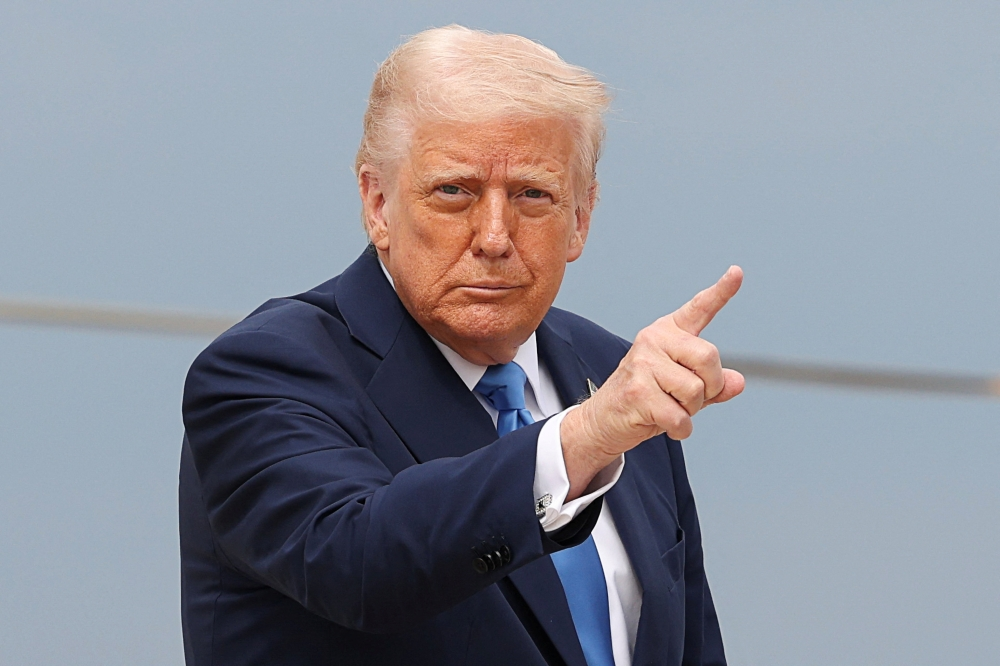
Brazilian President Lula da Silva expressed his deep concern over the military and political escalation, affirming his readiness to mediate between the US and Venezuelan governments. Lula stressed the necessity of reaching diplomatic solutions to spare the region the horrors of war, indicating the possibility of direct talks with US President Donald Trump before Christmas, in an effort to avert what he described as a "fratricidal war" that could destabilize Latin America.
For her part, Mexican President Claudia Sheinbaum, in a press conference held on Thursday, affirmed her country's commitment to pursuing peaceful solutions. Sheinbaum stated that Mexico would work in coordination with Latin American countries and other international powers to prevent any US military intervention in Venezuela, calling for dialogue to prevail over force.
The military context and escalating tensions
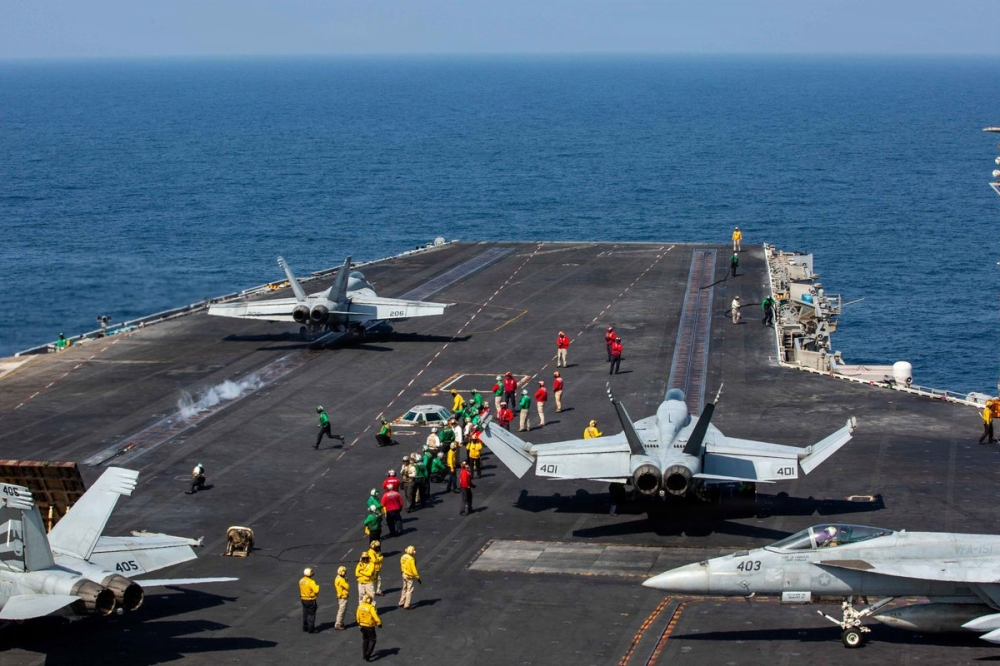
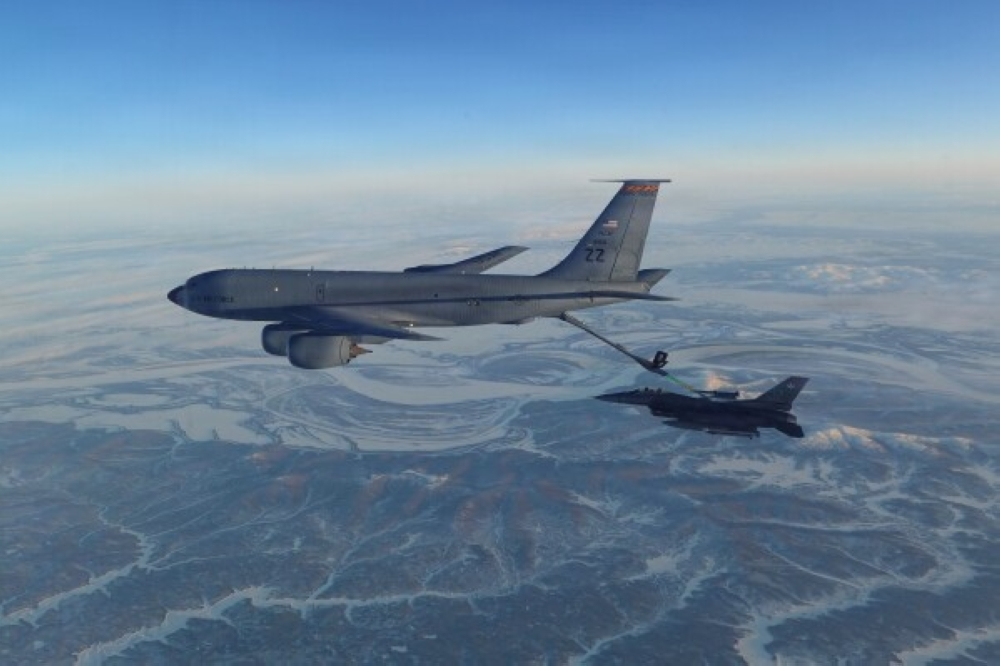
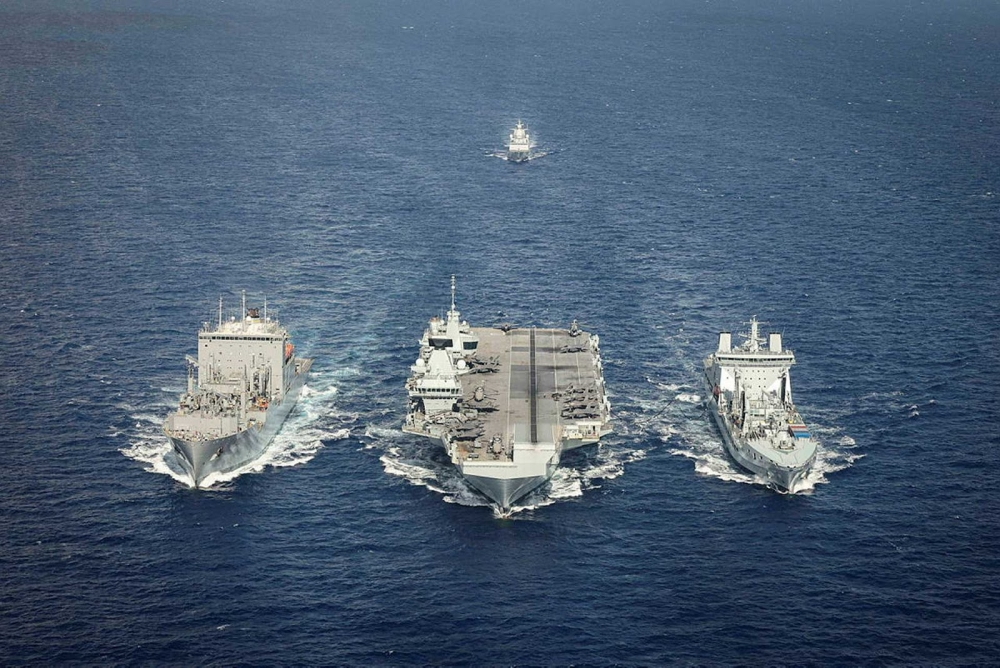
These diplomatic initiatives come at a time when the United States has deployed massive military reinforcements and advanced systems in the Caribbean and Pacific Oceans. While Washington justifies these moves as operations aimed at combating drug trafficking and targeting vessels used in these activities, Venezuelan President Nicolás Maduro views this buildup as a prelude to a coup attempt to overthrow his regime. These operations have sparked widespread legal controversy, particularly following reports that at least 95 people have been killed since last September as a result of these actions.
Historical background and roots of the crisis
The current tension cannot be separated from a long history of strained relations between Washington and Caracas, which have deteriorated sharply over the past two decades. From the imposition of harsh economic sanctions on Venezuela's oil sector, through the US recognition of opposition figures as interim presidents in previous periods, to disputes over the results of recent Venezuelan elections, relations between the two countries have remained stagnant and marked by persistent hostility. The United States views the regime in Venezuela as a threat to its national security and a source of regional instability, while Venezuela accuses Washington of attempting to seize control of its vast oil resources.
Regional repercussions and international concerns
Brazilian and Mexican mediation is of paramount importance given the potentially catastrophic consequences of any armed conflict. Brazil, which shares a long land border with Venezuela, fears mass migration waves that could exacerbate the current refugee crisis and strain its economy. Furthermore, a war in the region would threaten global energy security, destabilize markets, and deepen political divisions in Latin America. Therefore, diplomatic intervention by the two largest powers in Latin America (Brazil and Mexico) is seen as a last chance to defuse the crisis and preserve regional peace.