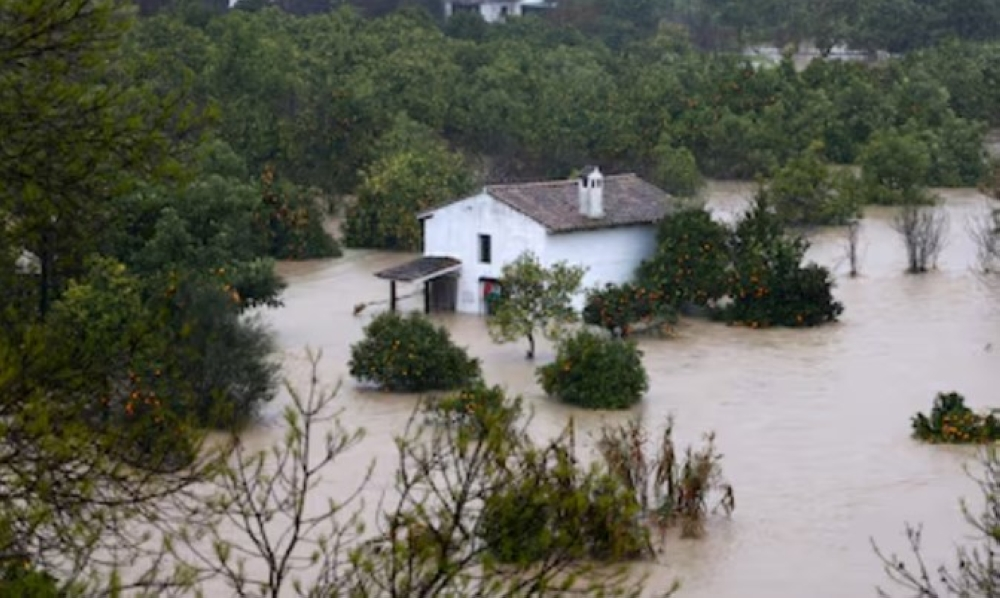
Brazilian authorities have announced that the death toll from the devastating floods and landslides that swept through the southeastern state of Minas Gerais has risen to 46, with 21 people still missing. The torrential rains, described as the heaviest in the region's history, displaced nearly 3,600 people from their homes in the cities of Juiz de Fora and Oba, which were severely affected by the natural disaster.
Intensive relief efforts amid massive destruction
As the rains subside, rescue teams and volunteers are intensifying their efforts to search for the missing and provide urgent assistance to those affected. The mayor of Juiz de Fora, Margarida Salomão, issued an urgent appeal to residents of at-risk areas to evacuate immediately and head to government-designated safe shelters. In response to the scale of the disaster, the federal government announced emergency humanitarian aid for the affected areas, including the deployment of specialized medical teams and National Defense experts to support rescue and relief operations and assess the damage.
Context of the disaster: climate change and poor planning
This disaster comes amid a worrying climate trend, as the city of Juiz de Fora recorded its highest rainfall ever in February, more than double the amount expected for this time of year, which coincides with the peak of Brazil's summer rainy season. This incident is not isolated; Brazil, particularly its southeastern regions, frequently experiences similar disasters caused by extreme weather events. Experts link the increasing frequency of these disasters to the effects of global climate change, which is leading to more intense storms and rainfall.
The problem is exacerbated by local factors, most notably unplanned urban expansion, where many homes are built in areas that are inherently vulnerable, such as steep hillsides, making them susceptible to landslides when the soil becomes saturated with water.
Expected impacts and international significance
The repercussions of these floods extend far beyond the immediate human to include profound economic and social impacts. Minas Gerais, a vital mining and agricultural hub in Brazil, is expected to experience disruptions to supply chains and the destruction of crops and critical infrastructure such as roads and bridges, placing additional strain on the local and national economy. Internationally, this tragedy underscores the vulnerability of developing countries to climate change and highlights the urgent need to strengthen climate adaptation strategies and develop effective early warning systems to protect lives and property in the future.