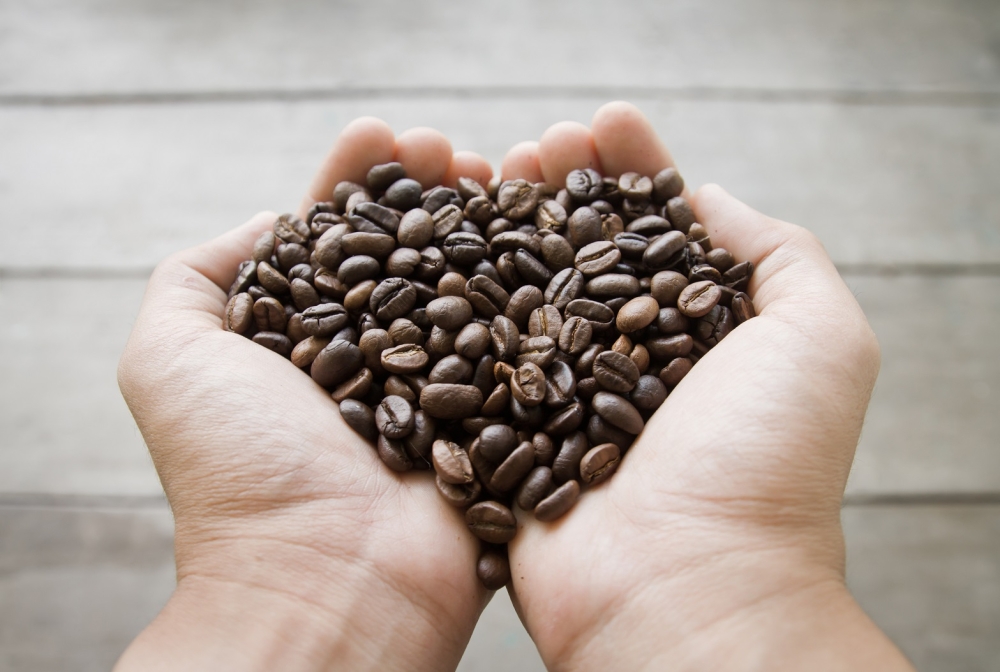
Brazil's national coffee supplier, CONAB, has announced optimistic forecasts indicating that Brazil, the world's largest producer and exporter of coffee, is on track to achieve a historic record harvest in 2026. According to the preliminary report, total production is expected to reach 66.2 million bags (weighing 60 kilograms each) of green coffee, representing a remarkable increase of 17.1% compared to the initial estimates for 2025.
Historical background and production context
Brazil has dominated the global coffee market for over 150 years, typically accounting for about a third of total world production. Coffee is an integral part of the Brazilian economy and culture, and its cultivation is concentrated in key states such as Minas Gerais, São Paulo, and Espírito Santo. Coffee production, particularly of the Arabica variety, follows a two-year cycle, alternating between a high-yield year (on-year) and a low-yield year (off-year). If the 2026 projections materialize, production will surpass the previous record set in 2020, which was 63.1 million bags and was also a high-yield year.
Factors driving standard growth
This projected growth is due to a combination of factors. First, there is an increase in the area cultivated with coffee, estimated at approximately 1.9 million hectares, representing an annual increase of 4.1%. Second, and most importantly, there is a significant improvement in crop productivity, with yields expected to reach 34.2 bags per hectare, a 12.4% increase compared to the previous season. CONAB attributes this development to favorable climatic conditions in the main growing regions, as well as farmers' adoption of modern agricultural technologies and advanced farm management practices, which enhance plant health and increase productivity.
Expected impact on global markets
A harvest of this magnitude will have significant repercussions for the global coffee market. Internationally, this surplus could stabilize or even lower global coffee prices, benefiting consumers, roasters, and coffee shops worldwide. This massive production could also impact other producing countries, such as Vietnam (the leading producer of Robusta coffee) and Colombia (the second-largest producer of Arabica coffee), which will face increased competition. Domestically, this harvest will boost the Brazilian economy, support farmers, and create more jobs in rural areas.
Production details by type
According to the report, Arabica coffee, the world's most consumed variety known for its rich flavor, is expected to lead this growth with a production of 44.1 million bags, a 23.3% increase compared to 2025. Meanwhile, the Cornilon coffee crop (known globally as Robusta) is projected to reach 22.1 million bags, marking a 6.4% year-on-year increase. This balance in production of the two main varieties strengthens Brazil's ability to meet the diverse needs of the global market.