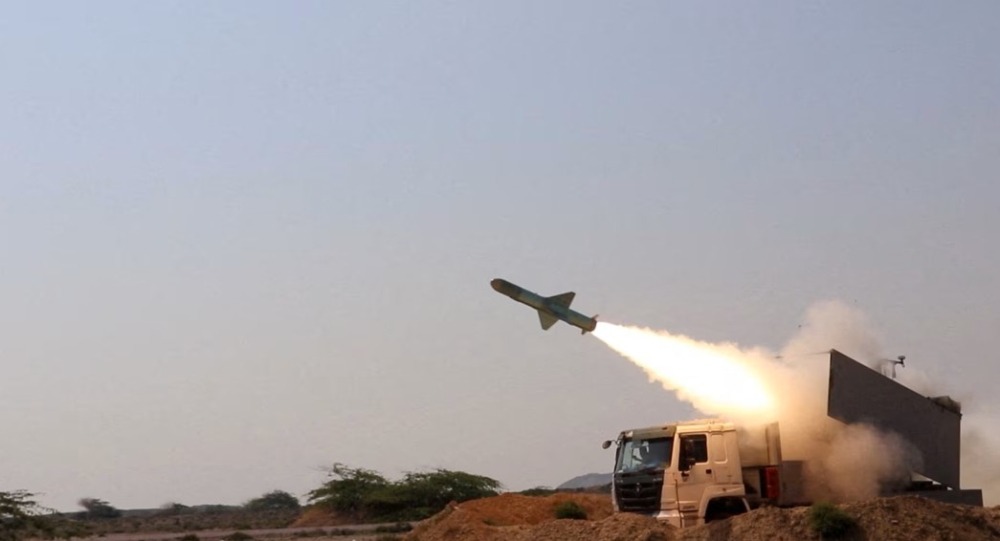
In a new military escalation that has alarmed the international community, the Israeli army released images documenting its bombing of Sanandaj Airport in Hamadan, Iran, an event widely reported by international and local media. According to Al Arabiya, this attack represents a dangerous turning point in the ongoing tensions in the Middle East and signals a new phase of direct confrontations.
A senior Israeli official revealed that the airstrikes targeting Iranian territory were not random, but rather achieved precise strategic objectives. The official confirmed that the attacks successfully disrupted the supply lines for components used in ballistic missile production, dealing a significant blow to Iran's military capabilities and limiting its ability to bolster its arsenal.
Strikes on #Iran disrupt the supply of missile production components #today https://t.co/WBu57tArm4
— Al-Youm Newspaper (@alyaum) March 19, 2026
The historical context of the tensions prior to the bombing of Sanandaj airport
The bombing of Sanandaj airport was not an isolated incident, but rather part of a long series of covert and overt conflicts between Israel and Iran. Over the past years, the region has witnessed a complex shadow war involving cyberattacks, assassinations of scientific and military figures, and airstrikes targeting vital infrastructure. Israel has long considered Iran's missile program a direct threat to its national security and has worked through various intelligence and military means to curtail this development. In response, Tehran has continued to develop its missile arsenal, making direct escalation a likely outcome given the absence of any diplomatic solutions on the horizon to de-escalate the volatile situation. In a related development, Iranian media reported earlier that air defense systems had engaged attacks in the skies over Tehran, reflecting the state of high alert the country is on in anticipation of further strikes.
Regional and international repercussions of military strikes
This military escalation has dimensions and repercussions that extend beyond local borders to encompass the regional and international arenas. Regionally, this attack raises the possibility of a wider confrontation that could draw other countries into the conflict. Disrupting Iranian missile production might temporarily shift the balance of power, but it could also prompt Tehran to respond with unexpected escalatory measures.
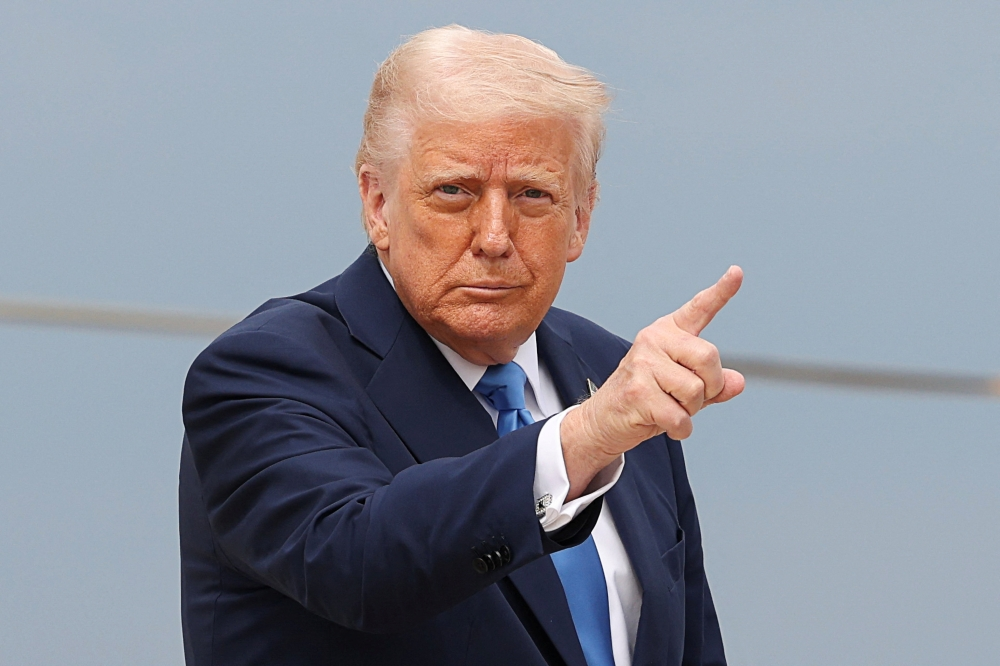
On the international level, global energy security is at stake. In this context, firm statements have emerged from the US administration, with President Donald Trump on Thursday to destroy Pars gas field, one of the world's most important energy sources. This conditional threat served as a clear warning that it would be carried out if Iran attacked Qatar's liquefied natural gas facilities again. This convergence of military operations and the security of energy infrastructure presents the global economy with unprecedented challenges, as any targeting of energy sources in the Gulf region would inevitably lead to sharp fluctuations in global oil and gas markets, impacting the economies of both major and developing nations.
In conclusion, the situation in the Middle East remains volatile. With the escalating tensions continuing, the world's attention is focused on developments on the ground and their impact on regional stability and global energy security, amid anticipation of diplomatic interventions that could prevent the region from sliding into a full-blown war.