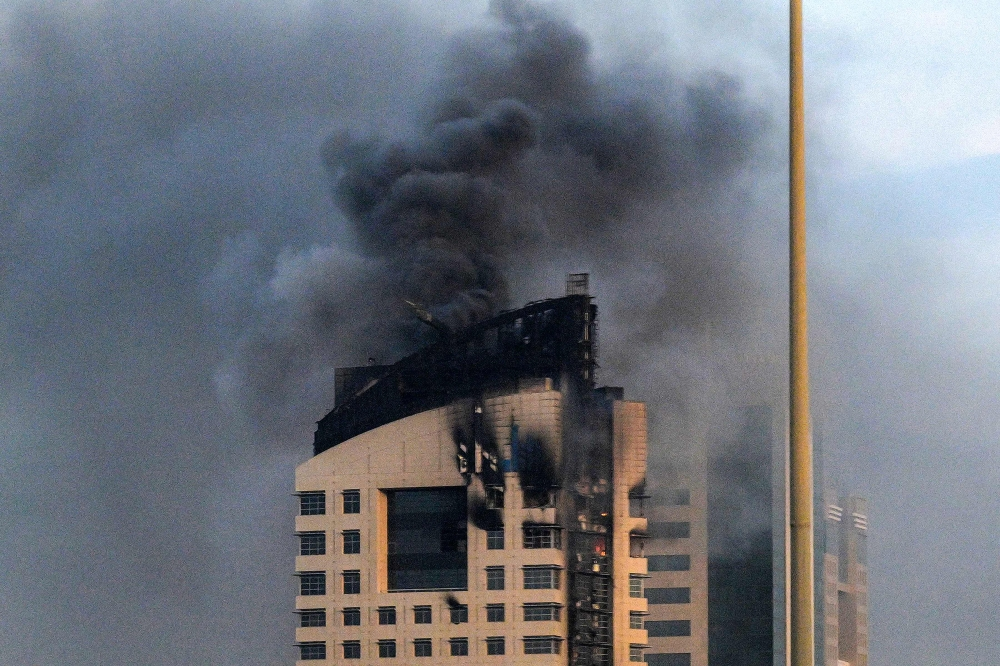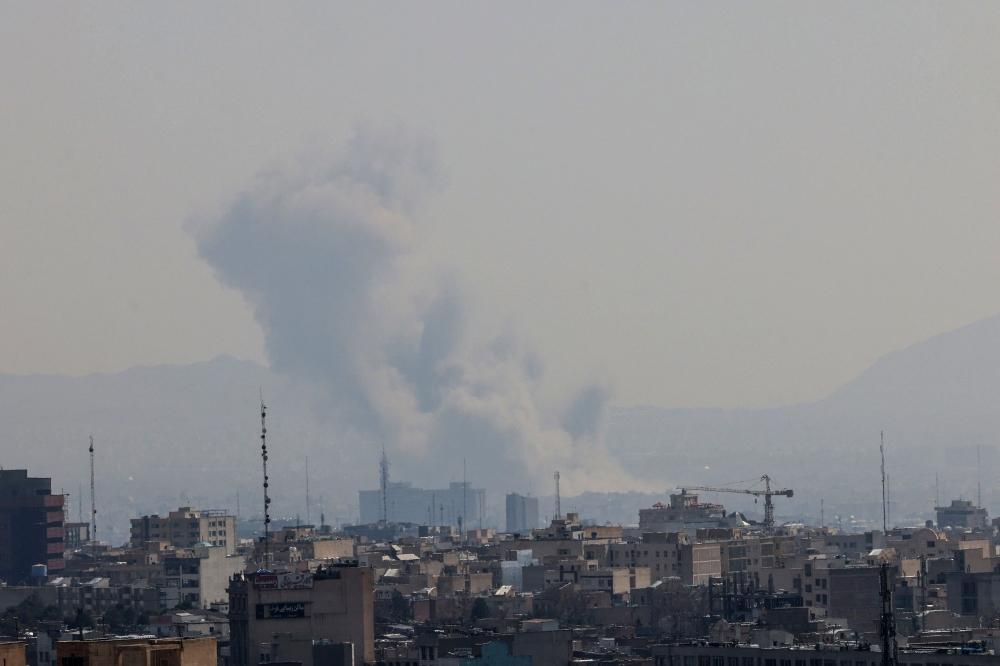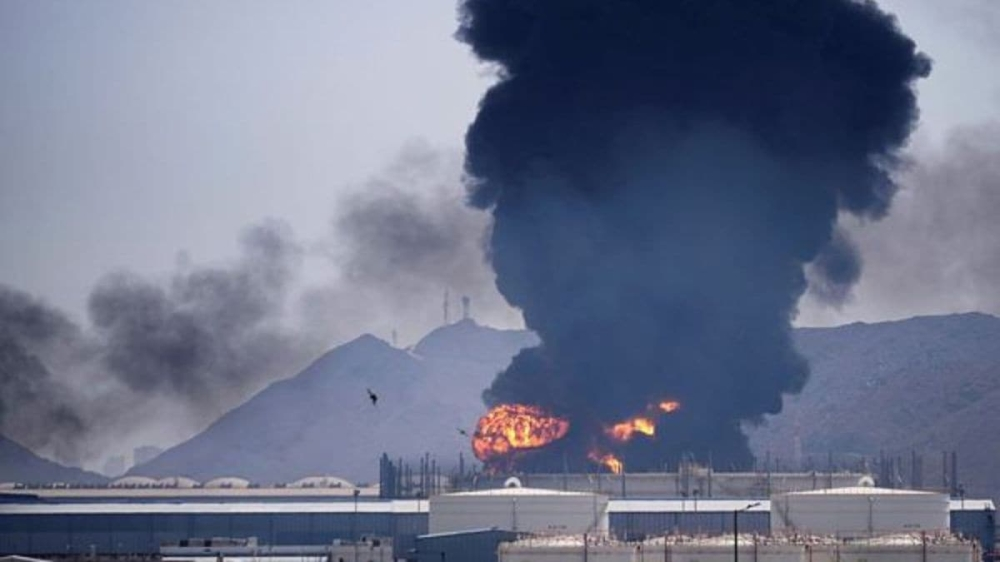
Amid escalating geopolitical tensions in the Middle East and growing fears of a global economic downturn, a new crisis has emerged concerning the bombing of Iran's South Pars gas field . In this context, US President Donald Trump asserted that Israel's targeting of the South Pars gas field in Iran would not be repeated, indicating that Washington had no prior knowledge of the attack. However, Trump issued a stark warning that the field would be completely destroyed if Tehran continued its attacks on Qatari liquefied natural gas facilities, further escalating tensions in the region.
The strategic and historical importance before the bombing of the Iranian Pars gas field
To understand the dimensions of this crisis, one must consider the historical background and strategic importance of the region. The South Pars field, shared by Iran and Qatar (where it is known in Doha as the North Field), is the world's largest natural gas field. This giant field supplies approximately 70% of Iran's domestic natural gas needs, making it the lifeblood of the Iranian economy and energy sector. Historically, energy facilities in the Persian Gulf have always been a strategic vulnerability and a bargaining chip in regional conflicts. The situation is further complicated by the persistent threats to close the Strait of Hormuz, the world's most important waterway through which one-fifth of the world's oil consumption passes, making any disruption to this critical infrastructure a direct threat to global national security.
Lack of US-Israeli coordination
In his remarks, Trump clarified that the US administration received no prior notification from the Israeli occupation forces regarding the recent attack. While emphasizing the excellent harmony and coordination between Washington and Tel Aviv on most issues, he acknowledged occasional differences, noting that Israel sometimes takes actions that the United States opposes in order to avoid escalating into a full-blown regional war. In this regard, Trump revealed that he personally asked Israeli Prime Minister Benjamin Netanyahu to refrain from attacking Iranian energy facilities. For his part, Netanyahu admitted that his forces acted unilaterally in this operation, but affirmed his compliance with the US president's request to suspend any further attacks for the time being.
Economic and political repercussions, both locally and internationally
The repercussions of this escalation extend beyond regional borders, striking at the heart of the global economy. Domestically, any damage to the South Pars gas field represents a devastating blow to Iran's ability to meet the energy needs of its citizens and industries. Regionally, targeting Qatari liquefied natural gas (LNG) facilities raises concerns about disruptions to gas supplies to Asian and European markets, which rely heavily on Doha. Internationally, targeting oil and gas facilities exacerbates the instability of global energy markets, already experiencing sharp fluctuations due to tensions in the Strait of Hormuz. This situation threatens a dramatic surge in energy prices, potentially triggering waves of inflation that would engulf major economies.
Iranian response and threats of mutual escalation
Tehran did not stand idly by in the face of these developments, responding decisively and directly. The Iranian leadership warned that it would not exercise any restraint if its vital energy facilities were targeted again. The Fars News Agency quoted the Khatam al-Anbiya Headquarters, the operational command of the Iranian army, as issuing strongly worded statements confirming that attacks on energy infrastructure would not cease but would continue until its complete destruction should Israeli strikes be repeated. Iranian Foreign Minister Abbas Araqchi also issued a clear warning that his country was prepared for all scenarios in the event of an open confrontation with the United States and Israel, signaling a new phase of escalation that could prove difficult to control.