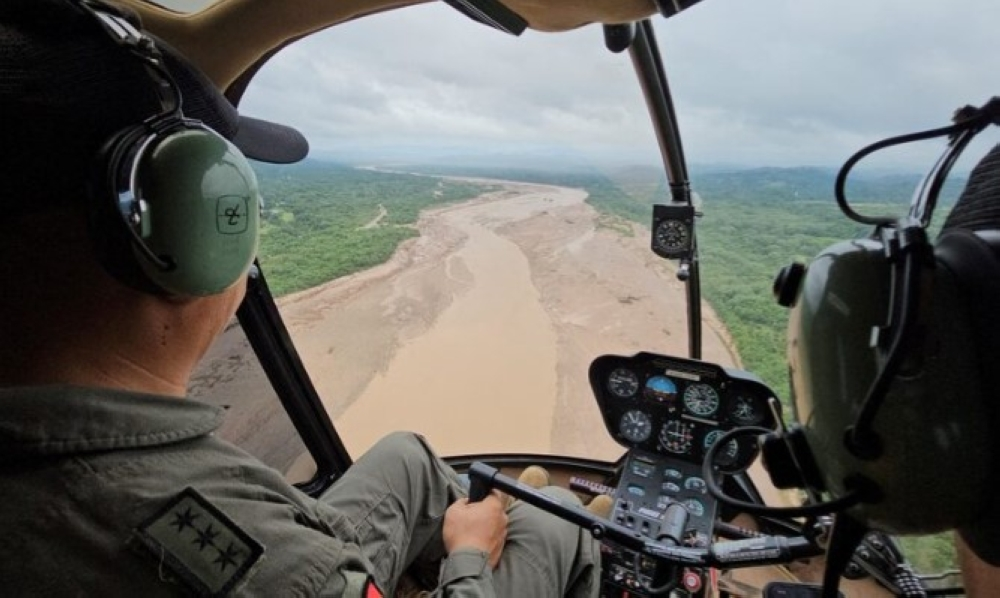
Bolivian authorities have declared a major humanitarian disaster in the east of the country, where torrential floods caused by the overflowing of the Piray River have killed at least 20 people and displaced more than 2,000 families, in a tragic toll that reflects the scale of the devastation in the region.
In an official statement, Bolivian Deputy Minister of Civil Defense Alfredo Trujillo confirmed to PanAmerican Radio that official figures indicate "twenty dead and dozens missing," raising fears that the death toll will rise as search and rescue operations continue in the affected areas. Initial reports had indicated only three dead and eight missing, but the true extent of the disaster quickly became apparent with the arrival of rescue teams.
General context and climatic background
These floods occur during Bolivia's annual rainy season, which typically runs from November to March and often results in natural disasters. The eastern regions of the country, particularly in Santa Cruz province, are especially vulnerable to flooding due to their flat terrain and location within the Amazon River basin. This phenomenon is periodically exacerbated by global climatic events such as El Niño, which leads to significantly increased rainfall, causing river levels to rise dangerously and overwhelming the capacity of the infrastructure.
The impact and dimensions of the disaster
The flooding of the Piray River not only resulted in tragic loss of life but also caused widespread destruction of infrastructure and property. The damage was concentrated primarily in the towns of El Torno and La Guardia, where the raging waters swept away homes, bridges, and roads, isolating numerous villages and communities. Thousands of displaced people, having lost everything, are facing dire humanitarian conditions, sheltered in temporary accommodations and in desperate need of food, clean water, and urgent medical care.
Importance and expected effects
Locally, this disaster is placing immense pressure on government resources and emergency response teams. It is also expected to have severe economic repercussions, particularly on the agricultural sector, which is the primary source of income for many in the region, as the floods have damaged vast areas of crops. In the long term, this disaster underscores the urgent need to strengthen early warning systems and develop more resilient infrastructure to the increasingly frequent and intense extreme weather events occurring worldwide, including in Latin America.