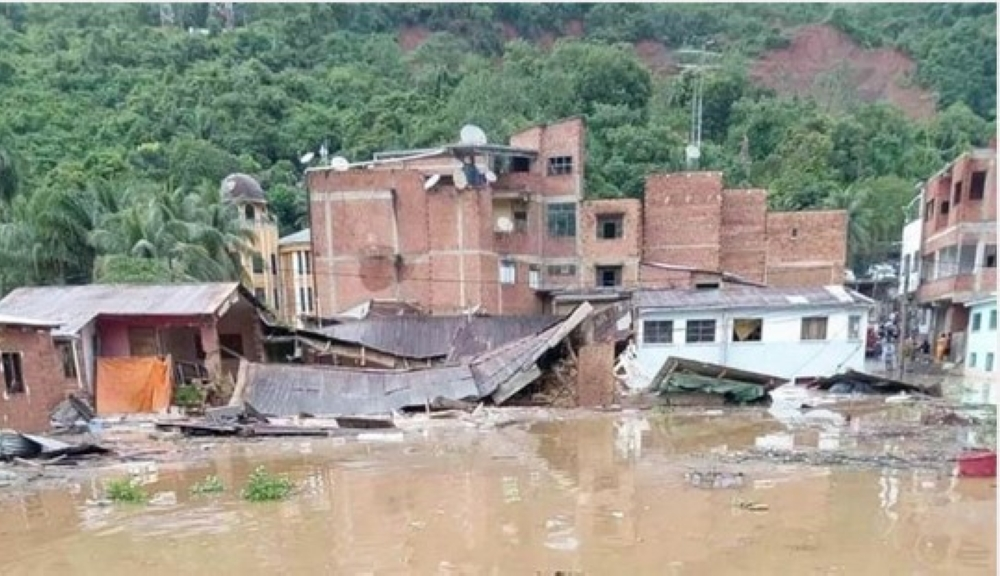
Devastating floods struck eastern Bolivia over the weekend, causing a major humanitarian crisis. At least 20 people have died, and more than 2,000 families have been left homeless. The disaster was triggered by the overflowing of the Piray River following torrential rains, the heaviest the region has seen in years. The floods inundated the towns of El Torno and La Guardia in Santa Cruz province, Bolivia's agricultural and economic heartland.
The climatic and geographical context of Bolivia
These floods occur during Bolivia’s annual rainy season, which typically runs from November to March. However, meteorologists attribute the intensity of the rainfall this year to broader climatic phenomena, such as El Niño, which warms the surface of the Pacific Ocean and causes dramatic shifts in global weather patterns, including heavier rainfall in certain parts of South America. Bolivia’s diverse geography, encompassing the towering Andes Mountains and the vast lowlands of the Amazon basin, makes the country particularly vulnerable to such natural disasters, as rainfall in the highlands can trigger rapid and devastating floods in the valleys and lowlands.
The importance and expected effects of the disaster
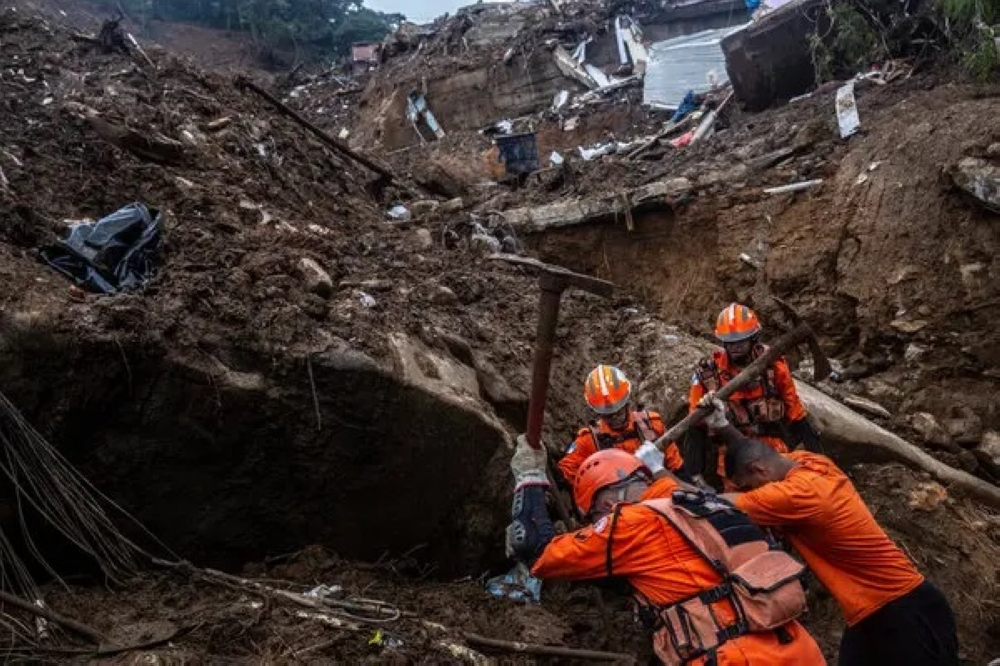
At the local level, the immediate impact extends far beyond the tragic loss of life. Evacuated families now face an uncertain future after losing their homes, belongings, and livelihoods. Rescue and civil defense teams are working tirelessly to search for the missing and provide urgent assistance to those affected, but the scale of the damage to infrastructure, including roads and bridges, is hindering aid delivery to some of the hardest-hit areas.
Regionally and nationally, this disaster places immense pressure on national resources. Santa Cruz province is a vital center of agricultural production in Bolivia, and the destruction of crops and farmland threatens the country's food security and could lead to higher prices for basic commodities. The cost of rebuilding infrastructure and homes will also be substantial, placing an additional burden on the Bolivian economy. Internationally, this tragedy underscores once again the uneven impacts of climate change, with developing countries like Bolivia often being the most vulnerable and least able to adapt to extreme weather events, thus highlighting the need for concerted international efforts to provide support and assistance.