The US Air Force has announced a further delay in the presidential aircraft modernization program, known globally as “Air Force One,” pushing back the entry of the first new aircraft into service until mid-2028. This date represents a full year's delay from the previous schedule that targeted 2027, raising further questions about the management of this strategic project being carried out by Boeing.
Historical background and project context
Air Force One is more than just an aircraft; it is a mobile symbol of the American presidency and its power, a flying command center capable of operating in the most challenging conditions. The current fleet, consisting of two Boeing 747-200Bs (military designation VC-25A), entered service in 1990 under President George H.W. Bush. After more than three decades of service, the two aircraft had become outdated, with high maintenance costs and difficulty in obtaining spare parts, necessitating their replacement.
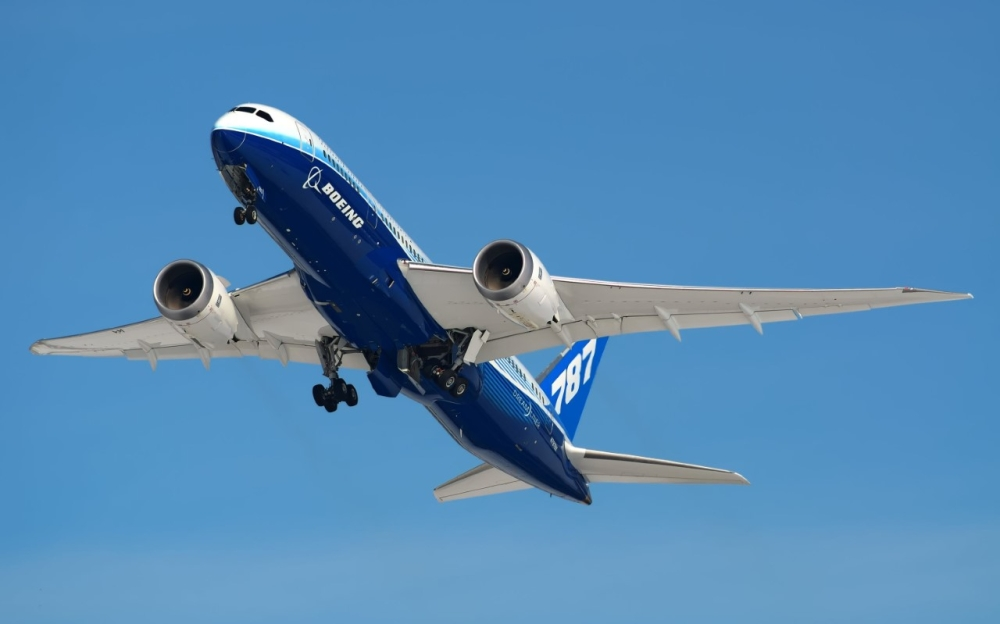
In 2018, the administration of former President Donald Trump awarded a $3.9 billion fixed-price contract to Boeing to develop and manufacture two new Boeing 747-8 aircraft (military designation VC-25B). The project aimed to equip the aircraft with state-of-the-art technologies in secure communications, advanced defense systems to protect against missiles and electronic threats, and a fully integrated medical suite capable of performing surgeries.
A series of challenges and delays
This wasn't the first delay the program had faced. The original delivery date was set for 2024, but the project encountered a series of major obstacles. The COVID-19 pandemic slowed global supply chains, and Boeing also had issues with a key supplier responsible for the interiors, leading to repeated delays. Boeing CEO Dave Calhoun previously acknowledged that the fixed-price contract was a mistake that has cost the company over $1 billion to date.
Importance and implications
This latest delay has multiple implications. Domestically, it places Boeing under increasing financial and regulatory pressure from Congress and the Pentagon. Strategically, continued reliance on the aging fleet raises concerns about operational readiness and national security, especially since the presidential aircraft must be capable of serving as a fortified command center during national crises. Delaying the introduction of new aircraft means that the next US president, and perhaps the one after him, will continue to use planes designed during the Cold War, with all the technological and security challenges that entails.
A U.S. Air Force spokesperson confirmed that a $15.5 million contract amendment had been made with Boeing to adjust the new schedule, without providing clear details about the direct causes of the latest delay. Boeing, for its part, referred all inquiries to the Air Force, leaving open the door to speculation as to whether the challenges relate to complex engineering, supply chain issues, or both.