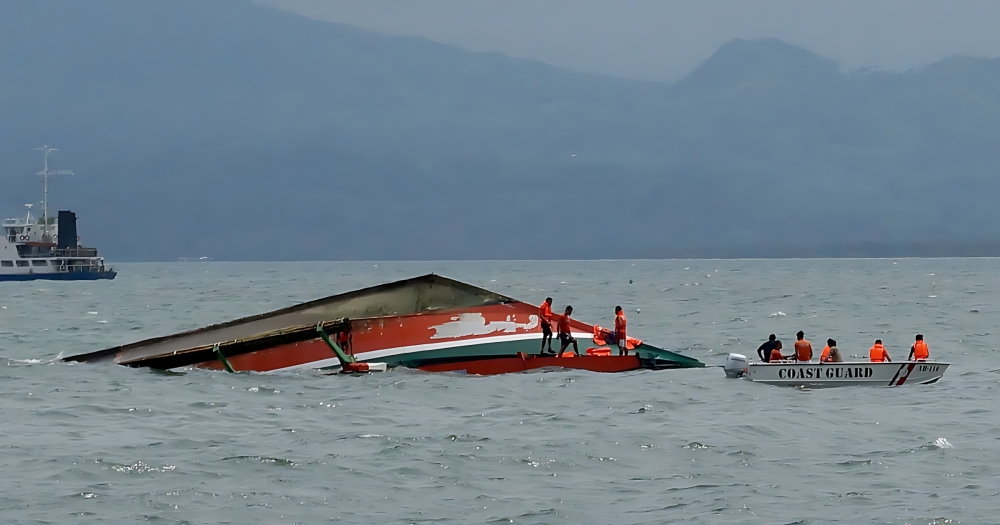
The International Organization for Migration (IOM) announced in an official statement a new humanitarian tragedy: the sinking of a boat off the coast of Djibouti , resulting in the deaths of at least nine people and leaving 45 others missing at sea. This tragic incident occurred on the night of March 24th, when the overcrowded vessel, carrying approximately 320 migrants, embarked on a perilous journey in search of a better life.
Details and circumstances of the boat sinking off the coast of Djibouti
According to initial reports from the International Organization for Migration (IOM), the boat sank near the coastal town of Obock in Djibouti. While the IOM has not yet determined the exact point of departure or final destination of the ill-fated vessel, indications suggest it was traversing one of the world's most dangerous sea routes. Rescue teams and other relevant authorities are continuing their tireless efforts to search for the 45 missing people, amid fears that the death toll could rise due to the harsh sea conditions and the difficulty of search and rescue operations in that remote area.
The Eastern Migration Route: A Perilous Journey from the Horn of Africa
To understand the dimensions of this tragedy, one must consider the broader historical context of this maritime route. Known as the "Eastern Route," this path sees tens of thousands of irregular migrants annually, primarily from Ethiopia and Somalia. These migrants depart from the coasts of the Horn of Africa, passing through Djibouti, with the aim of crossing the Bab el-Mandeb Strait and reaching the Yemeni coast. From there, they hope to continue their arduous journey towards the Gulf states in search of work and a decent life, fleeing armed conflicts, extreme poverty, and the climate changes ravaging their home countries. The Obock region of Djibouti is a key transit point on this route, where migrants gather before boarding dilapidated boats operated by smugglers who disregard passenger safety.
Regional and international repercussions of the migrant crisis
The recurring drownings in this region underscore the critical importance and profound impact of the irregular migration crisis at the local, regional, and international levels. Locally, these continuous flows place immense pressure on Djibouti's limited resources, forcing the country to cope with the aftermath of these humanitarian disasters, provide care for survivors, and recover the bodies of victims. Regionally, this phenomenon further complicates the already dire security and humanitarian situation in Yemen, a country grappling with devastating internal crises, leaving migrants vulnerable to exploitation and detention in appalling conditions.
Internationally, this event serves as a stark warning to the international community and human rights organizations about the urgent need for action. This crisis demands a concerted global effort to combat human trafficking and smuggling networks that exploit the desperation of migrants. It also underscores the critical need to find fundamental solutions that address the root causes of migration in countries of origin and to provide safe and legal migration pathways. Continued disregard for this recurring human tragedy will mean more innocent lives lost at sea, making it imperative for the international community to uphold its moral and legal responsibilities towards these vulnerable people.