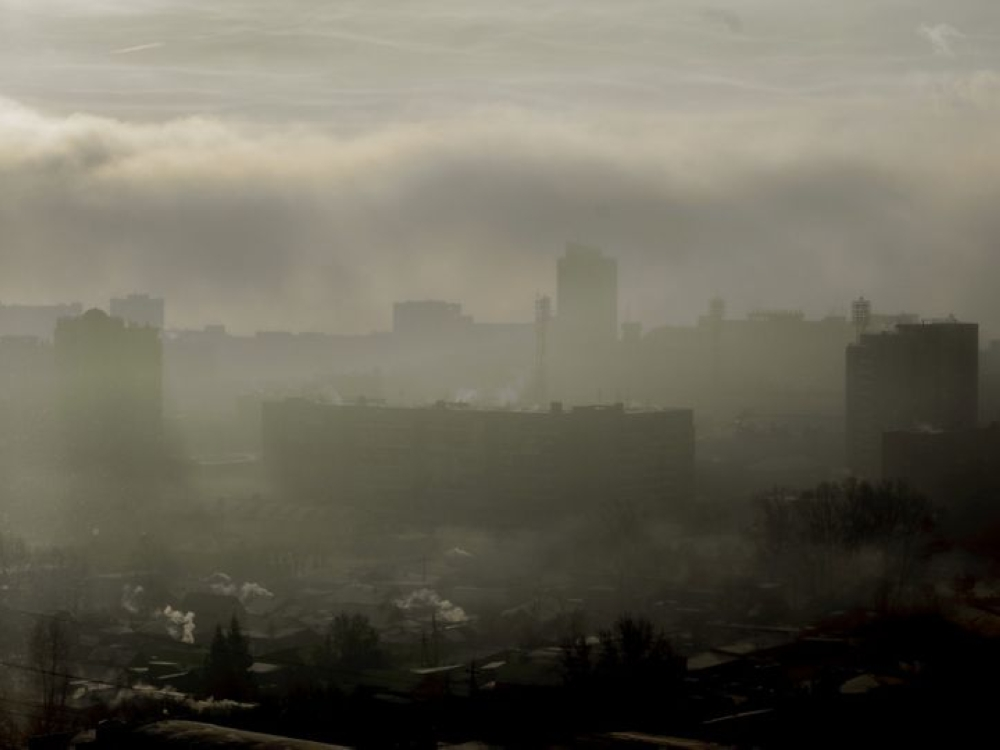
أصدرت وزارة الموارد الطبيعية والبيئة في مقاطعة كيميروفو الروسية، المعروفة أيضاً باسم “كوزباس”، تحذيراً بيئياً عاجلاً، معلنةً عن دخول نظام “السماء السوداء” حيز التنفيذ في ثلاث مناطق صناعية رئيسية. ويشمل التحذير مدينتي نوفوكوزنتسك وبروكوبيفسك، بالإضافة إلى منطقة نوفوكوزنتسك الإدارية، حيث من المتوقع أن تستمر الظروف الجوية السيئة التي تساهم في تراكم الملوثات في الهواء حتى الثالث من فبراير.
ما هو نظام “السماء السوداء”؟
يُعد مصطلح “السماء السوداء” (بالروسية: режим черного неба) نظام إنذار رسمي يتم تفعيله في المدن الروسية عند تزامن ظروف جوية معينة تمنع تبدد الانبعاثات الصناعية والملوثات الأخرى. تتمثل هذه الظروف عادةً في انعدام الرياح، وتكوّن الضباب، وحدوث ظاهرة الانعكاس الحراري، حيث تحبس طبقة من الهواء الدافئ الهواء البارد الملوث بالقرب من سطح الأرض. نتيجة لذلك، تتراكم سحابة كثيفة من الدخان والضباب الكيميائي فوق المدن، مما يؤدي إلى تدهور حاد في جودة الهواء وانخفاض مستوى الرؤية، وهو ما يعطي السماء مظهراً قاتماً.
كوزباس: قلب روسيا الصناعي وتحدياته البيئية
تقع مقاطعة كيميروفو في قلب سيبيريا وتُعتبر واحدة من أكبر أحواض الفحم في العالم، مما يجعلها مركزاً حيوياً للصناعات الثقيلة في روسيا، بما في ذلك التعدين وصناعة الصلب والمعادن. هذا التركز الصناعي الهائل هو السبب الرئيسي وراء مشكلة تلوث الهواء المزمنة في المنطقة. تعمل المصانع ومناجم الفحم على مدار الساعة، وتطلق كميات كبيرة من الجسيمات الدقيقة والغازات السامة في الغلاف الجوي. وفي فصل الشتاء بشكل خاص، تتفاقم المشكلة بسبب استخدام أنظمة التدفئة التي تعمل بالفحم وزيادة الظروف الجوية التي تؤدي إلى ركود الهواء.
التأثيرات الصحية والاجتماعية المتوقعة
يمثل إعلان حالة “السماء السوداء” تهديداً مباشراً لصحة السكان المحليين. تحذر السلطات الصحية من أن استنشاق الهواء الملوث بشكل كبير يمكن أن يسبب أو يؤدي إلى تفاقم أمراض الجهاز التنفسي مثل الربو والتهاب الشعب الهوائية، بالإضافة إلى أمراض القلب والأوعية الدموية. ويُنصح السكان، وخاصة الأطفال وكبار السن والأشخاص الذين يعانون من أمراض مزمنة، بالبقاء في منازلهم قدر الإمكان وإغلاق النوافذ وتجنب ممارسة الأنشطة البدنية في الهواء الطلق. وفي إطار هذا النظام، تم توجيه دعوة عاجلة للمؤسسات الصناعية في المنطقة لاتخاذ تدابير فورية لخفض انبعاثاتها الملوثة للغلاف الجوي، وهو إجراء إلزامي بموجب القانون لتقليل حدة الأزمة حتى تحسن الأحوال الجوية.