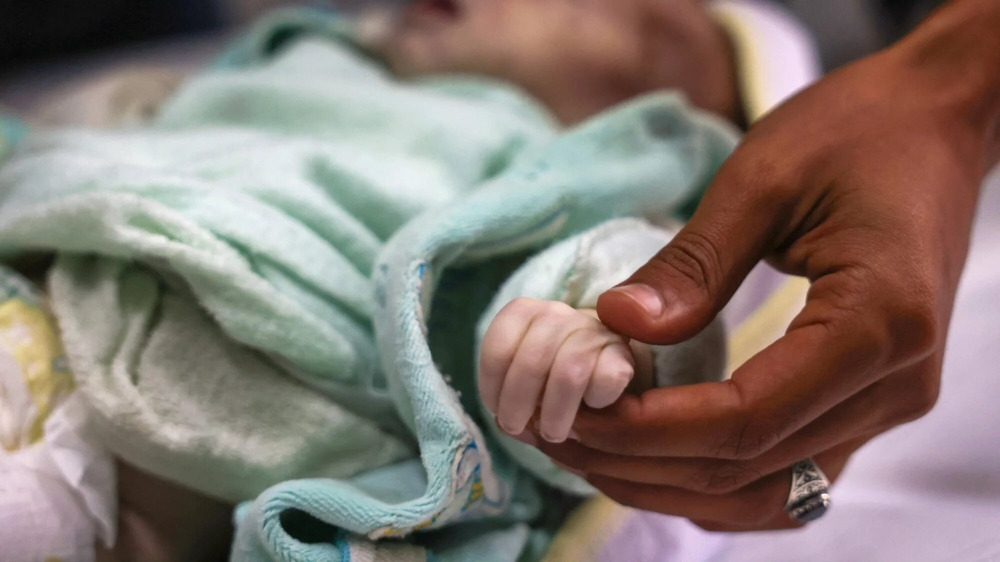
In an indicator reflecting the increasing population growth and efficiency of the health system in the Kingdom of Saudi Arabia, recent official statistics revealed remarkable figures related to birth rates, as the Kingdom’s hospitals in all sectors of the Ministry of Health and other sectors recorded 514,968 births in one year, which is equivalent to the birth of a new child almost every minute, with a daily rate exceeding 1,480 cases.
Riyadh leads, Mecca is second
Detailed data showed that the Riyadh region topped the list of regions in the Kingdom, recording the highest number of births at 137,348, reflecting the high population density in the capital and its surrounding areas. The Makkah region came in second with more than 110,000 births, including those recorded at the Ministry's branches in Makkah, Jeddah, Taif, and Al-Qunfudhah, confirming the high level of preparedness of health facilities in the Western Region to handle these numbers.
The Eastern Province ranked third nationally, with its hospitals receiving 74,586 newborns, distributed across Dammam, Al-Ahsa, and Hafr Al-Batin, thus solidifying the region's pivotal role in the Kingdom's population map. Madinah came in fourth with over 38,000 births, followed by Asir with approximately 35,000, while Al-Baha recorded the lowest birth rate with only 5,404 births.
Natural and cesarean births: health indicators
In terms of birth quality, natural births maintained their leading position at nearly 60% (59.2%), with over 304,000 cases—a positive indicator reflecting healthcare trends toward promoting natural childbirth. In contrast, cesarean sections accounted for approximately 40.8% of all births, totaling 210,167 cases. This medical procedure is used to ensure the safety of mothers and babies when medically necessary.
Demographic indicators and population diversity
Statistics revealed that Saudi births constituted 73.1% of all births, totaling 376,603. Al-Qurayyat Governorate had the highest percentage of Saudi births, representing approximately 92% of all births there. Conversely, the Holy City of Mecca recorded the lowest percentage of Saudi births at only 50%, a difference attributed to the diverse population of Mecca as a global Islamic destination.
Developmental and future implications
These figures are of paramount importance, extending far beyond mere statistical observation; they represent a cornerstone of future development planning within the framework of the Kingdom's Vision 2030. This continuous birth rate helps decision-makers anticipate future needs for schools, universities, housing units, and additional healthcare services. Furthermore, this data reflects the success of the maternal and child health programs prioritized by the Ministry of Health, which have contributed to providing a safe environment for childbirth and reducing associated health risks.