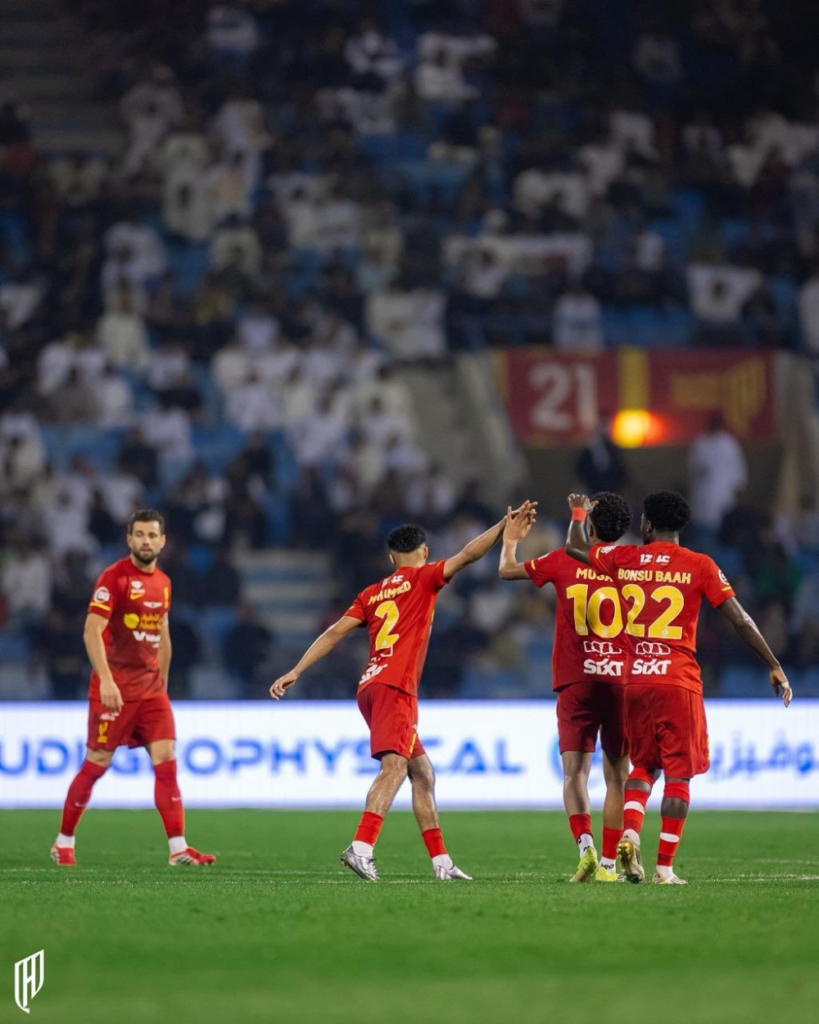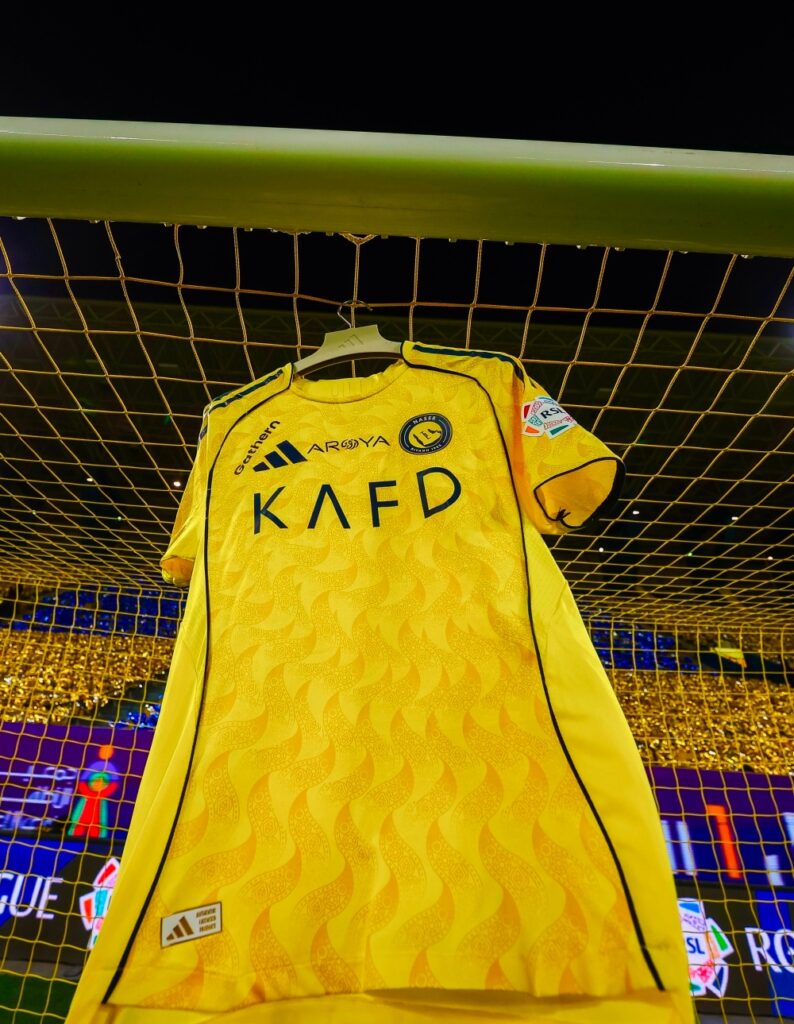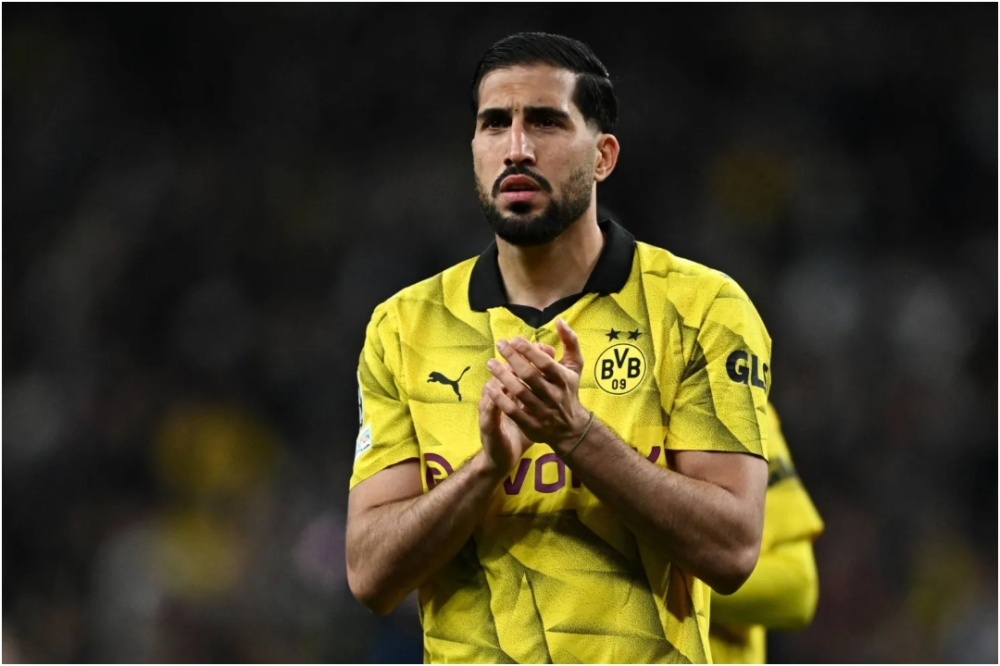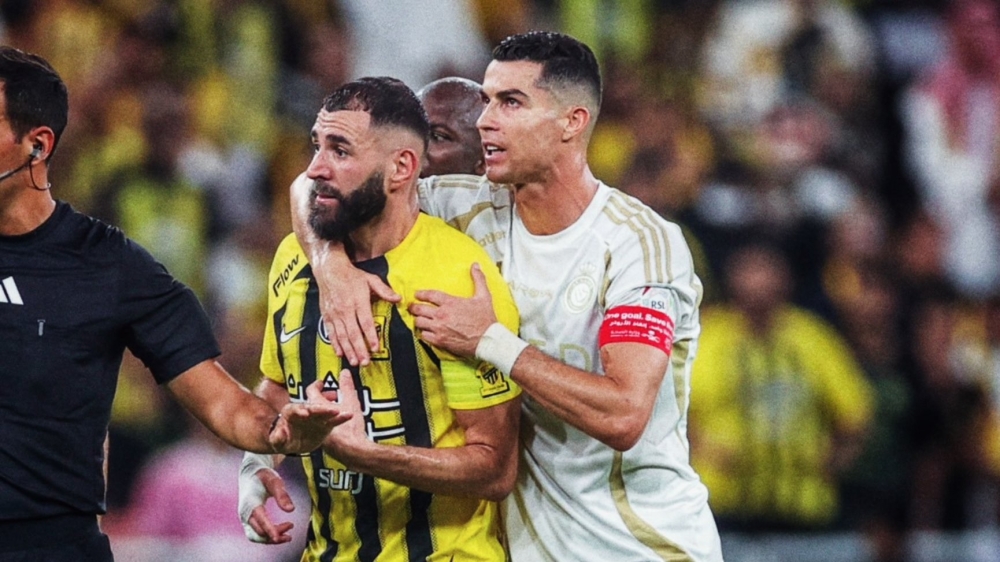
Since the launch of the ambitious sports project in Saudi Arabia, which was inaugurated by the arrival of Portuguese legend Cristiano Ronaldo at Al-Nassr in the winter of 2023, the Saudi Professional League has transformed into a global destination attracting the biggest stars of European football. With the influx of big names like Karim Benzema, Neymar, and N'Golo Kanté, a significant technical and managerial challenge has emerged for coaches: how to manage these stars, who have passed their peak physical condition, while maintaining the team's collective competitiveness?
In this context, the debate continues between two contrasting approaches: Cristiano Ronaldo's approach at Al-Nassr and Karim Benzema's approach at Al-Ittihad. While Ronaldo seems driven by an insatiable desire to remain on the pitch for the full 90 minutes in pursuit of further historical records, Benzema has followed a different path this season under the guidance of Portuguese coach Sergio Conceição, whose decisive tactical decisions have revived the French star's career and breathed new life into his footballing form.
Conceição's philosophy: A star is human before he is a legend
The first corrective step taken by Conceição was to treat Benzema as a player within a human system, not as an icon immune to substitution. This contrast is clearly evident when compared to what happens at Al-Nassr, where Ronaldo rarely leaves the field, even when his physical condition is declining. The Al-Ittihad coach adopted a smart rotation policy, where substituting Benzema in the 80th minute became a preventative and tactical measure to protect him from muscle fatigue, thus ensuring his mental and physical readiness for crucial moments in big matches.
Tactical recruitment and role distribution
The French coach didn't just manage the minutes; he gave Benzema complete freedom to move between the lines, with the option of dropping into midfield to contribute to the build-up play, provided he fulfilled his defensive duties and pressed high up the pitch. As a result, Benzema transformed from a mere goalscorer waiting for passes inside the box into a key playmaker for Al-Ittihad, restoring the tactical balance the team lacked last season.
Furthermore, the strategic decision to include Saleh Al-Shehri alongside him, or as a substitute, had a significant impact on relieving the physical burden on Benzema. Al-Shehri handles the demanding tasks of chasing defenders and engaging in physical duels, freeing up Benzema to focus on creativity and the final touch. This synergy created an effective attacking partnership that benefited the team.
Expected impact on local competition
Establishing a strong sense of teamwork and demanding maximum effort from everyone, young and old, without favoritism, has made Benzema's status dependent on his immediate performance rather than his history at Real Madrid. This psychological and tactical balance has not only restored the French star's strength but also sent a powerful message to other league clubs about the importance of firm management of star players. Given Al-Ittihad's superior approach to human resource management, Al-Nassr may find itself needing to reconsider its strategy of relying solely on Ronaldo for every minute of play to ensure its continued competitiveness for domestic and continental titles.