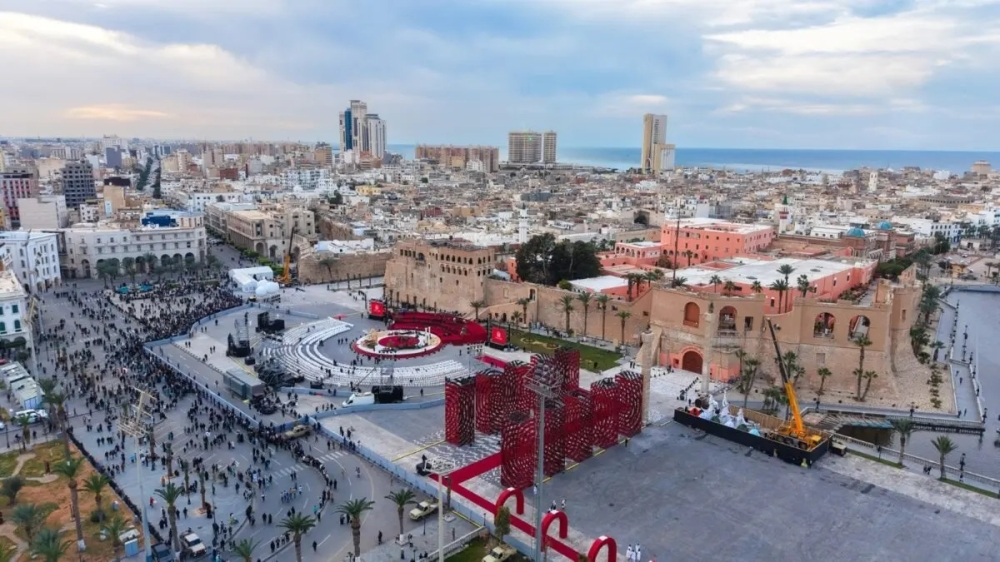
In a move with deep symbolic significance, the Arab League Educational, Cultural and Scientific Organization (ALECSO) announced the selection of the Libyan city of Benghazi as the Capital of Arab Culture for 2026. This decision comes as a culmination of the historical and cultural heritage that the city carries, and represents a strong message of hope for the beginning of a new phase of recovery and cultural renaissance in Libya after years of challenges.
Context of selection and importance of the initiative
The “Arab Capitals of Culture” program is one of the most prominent initiatives launched by the League of Arab States and overseen by ALECSO since 1996. The program aims to strengthen cultural ties among Arab countries and highlight the diversity and richness of the selected cities. Through this program, an Arab city is highlighted each year as a beacon of cultural influence, through the organization of diverse events and activities, including art festivals, exhibitions, intellectual conferences, and literary seminars. This contributes to revitalizing local cultural activity and promoting knowledge exchange at the regional and international levels.
Benghazi: A History of Science and Culture
The selection of Benghazi was no coincidence. Known as the "Cultivation of the Arts," the city boasts a rich cultural history spanning thousands of years, dating back to its founding in ancient Greek times under the name "Eusebirids." Throughout the ages, Benghazi has been a vibrant center of learning and intellectual life, home to Libya's first university and a beacon of knowledge in the region. The city has also produced a constellation of prominent writers, thinkers, artists, and journalists who have enriched the Libyan and Arab cultural landscape and contributed to shaping national consciousness and cultural identity. Despite the difficult circumstances it has faced over the past decade, the city's cultural spirit has remained resilient, a fact reflected in this well-deserved recognition.
Expected impact: Cultural renaissance and sustainable development
The selection of Benghazi as the Capital of Arab Culture is expected to have a multifaceted positive impact. Locally, this event will serve as a powerful incentive for the rehabilitation of cultural infrastructure, such as theaters, museums, and libraries, and will encourage local talent in various creative fields. It will also contribute to strengthening national unity and highlighting the bright and creative aspects of Libyan identity. Regionally and internationally, this selection firmly places Libya back on the Arab cultural map, opening new horizons for cooperation and cultural exchange with various countries and presenting a different image of the country—one based on creativity, peace, and a forward-looking vision.
The Benghazi Municipality welcomed this decision, stressing in a statement that this crowning reflects the historical status that the city occupies and confirms its significant contributions in the fields of literature, thought and arts, which has made it one of the most prominent cultural centers in the region.