The Belgian government, led by Prime Minister Alexander De Croo, has reaffirmed its cautious stance and opposition to the European Union's plan to use frozen Russian sovereign assets to finance the war effort and reconstruction in Ukraine. This position places Belgium at the center of a complex European debate, given that it holds the largest share of these assets, and threatens to hinder the bloc's efforts to find new sources of funding for Kyiv.
Background to the freezing of Russian assets
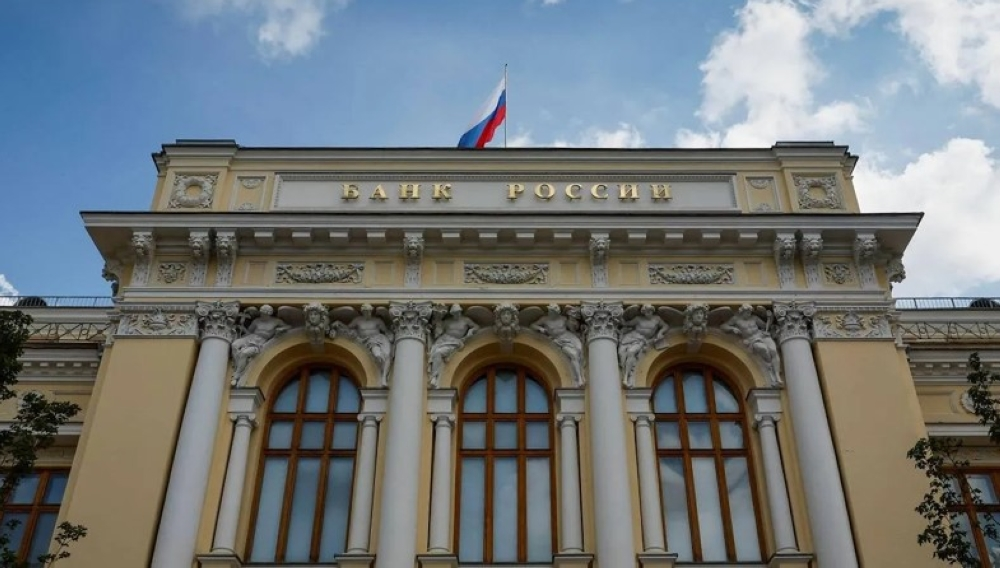
Following Russia’s full-scale invasion of Ukraine in February 2022, Western countries, including the European Union and the G7, imposed an unprecedented package of sanctions on Moscow. A key measure was the freezing of nearly €300 billion in Russian central bank assets held abroad. The EU holds the bulk of these funds, valued at over €200 billion, with approximately 90%—€190 billion—held in Belgium by Euroclear, one of the world’s largest securities depositories and clearing companies. This massive concentration of assets in Brussels gives Belgium’s position exceptional weight in any joint European decision.
Belgian concerns: legal and financial dimensions
Belgium's reservations center on the significant legal and financial risks that could result from seizing these assets or even using their profits. In a letter to EU leaders, the Belgian government questioned the legal basis for such a move, warning that it could set a dangerous precedent in international law. Brussels expressed concern that Belgium and Euroclear would bear the brunt of any retaliatory measures Russia might take, which could include massive international lawsuits and the seizure of Western assets on Russian soil.
In addition, the European Central Bank warned that tampering with the principle of sovereign immunity of assets could destabilize the global financial system and undermine international investors’ confidence in the euro as a safe reserve currency, potentially prompting other countries to withdraw their reserves from European banks.
European pressure and a divergent international stance
On the other hand, several EU member states, most notably Germany, the Baltic states, and Poland, are exerting strong pressure to move forward with the plan. These countries believe that using Russian assets, or at least the profits generated from them, is a just and ethical measure to force Russia to bear the cost of the destruction it has inflicted on Ukraine and to provide Kyiv with a vital and sustainable source of funding as support from other sources declines. The United States supports a more hardline stance calling for the complete confiscation of the assets.
In an attempt to reach a compromise, the European Commission initially proposed focusing on using windfall profits generated from reinvesting these frozen assets, estimated at billions of euros annually, rather than touching the original capital. While this option is less risky legally, Belgium is still demanding binding guarantees from all member states to collectively share the potential risks before agreeing to any measure, thus keeping the issue open to all possibilities ahead of crucial European summits.