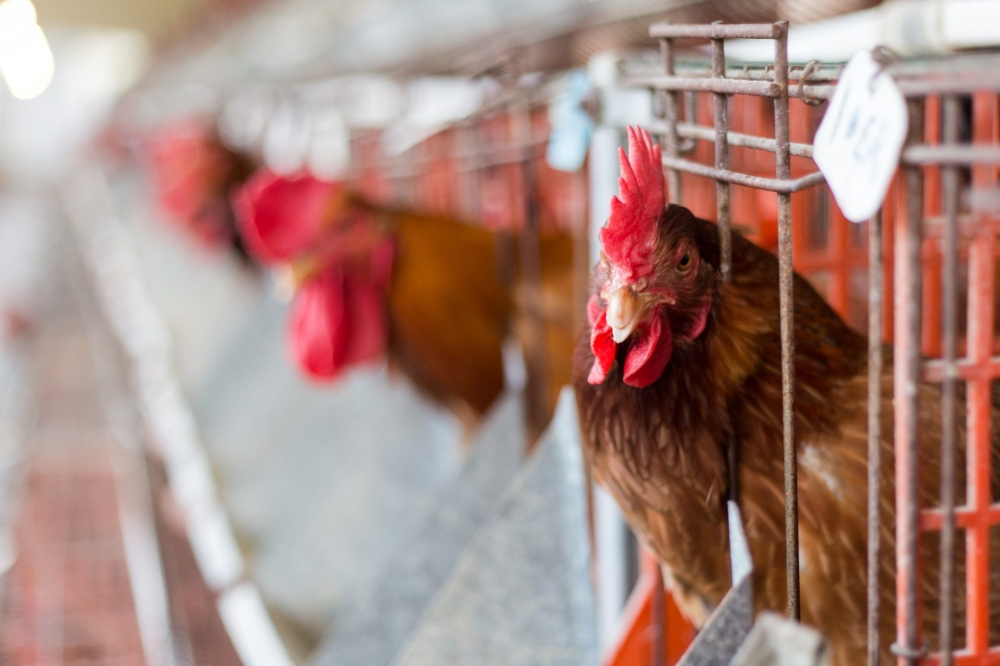
The Saudi Food and Drug Authority (SFDA) has announced an ban on poultry imports from the French region of Maine-et-Loire. This ban includes poultry meat, table eggs, and related products. This proactive measure comes in response to credible international reports confirming an outbreak of a highly pathogenic strain of avian influenza in the region, necessitating urgent action to protect public health and livestock in the Kingdom.
The historical context of the avian influenza outbreak and its global impact
Avian influenza is a persistent pandemic challenge that has plagued the world for decades, causing numerous economic and health crises that have impacted international trade. Historically, outbreaks of this virus have led to the culling of millions of birds worldwide to prevent further spread, prompting the World Organisation for Animal Health (OIE) to establish strict protocols for the immediate reporting of any new outbreaks. Countries, including the Kingdom, are committed to monitoring these reports regularly to update their import policies, making decisions such as banning poultry imports a routine and necessary measure to ensure food security and prevent the transboundary transmission of diseases.
Details of the decision to ban poultry imports from France
Following the immediate notification issued by the World Organisation for Animal Health (OIE) in mid-February 2026, confirming cases of the virus in the French department of Maine-et-Loire, Saudi regulatory authorities acted swiftly. In this context, the Eastern Province Chamber of Commerce circulated details of this urgent decision to all its members, based on an official directive from the Ministry of Commerce containing instructions from the Saudi Food and Drug Authority (SFDA). This ongoing coordination between the Ministry of Commerce and the Federation of Saudi Chambers aims to disseminate the regulations to all importers, ensuring immediate compliance and preventing any financial losses that might result from importing prohibited shipments.
Exempt products and strict health requirements
Despite the strictness of the decision, the authority made exceptions for certain products to ensure the continued flow of safe supplies to local markets without interruption. Shipments of poultry meat and table eggs that have undergone sufficient heat treatment to completely eliminate the virus were exempted. Regulatory bodies stipulated that these exempted products must fully comply with the health requirements and standards adopted in the Kingdom before being released. Furthermore, the authority required importers to provide official health certificates issued by accredited bodies in France, definitively proving that the imported products are free of the virus causing the disease or have undergone the necessary heat treatment.
The expected impact of the ban on local and regional markets
This decision holds significant strategic importance at both the local and regional levels. Locally, it helps close any gaps that could lead to the disease spreading to the national livestock population, which is experiencing remarkable growth in self-sufficiency rates. Protecting this livestock means maintaining price stability and ensuring product availability for consumers. Regionally and internationally, these measures reflect the vigilance of Saudi regulatory authorities and their continuous monitoring of global food safety reports. This reinforces the credibility of the Saudi market as a safe business environment that applies the highest standards of quality and public health, maintaining a delicate balance between protecting consumer health and providing safe food.