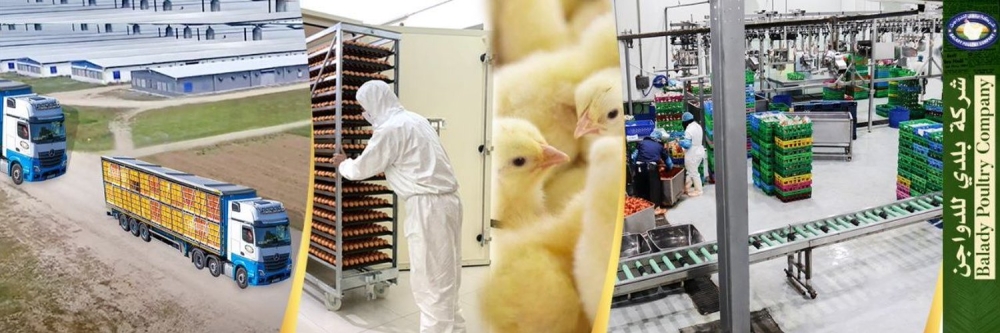
In a significant strategic move reflecting the ongoing development of the food and agriculture sector in Saudi Arabia, Baladi Poultry Company the official completion of construction on its new feed mill. This culminated in the commencement of operations at the plant, which features three advanced production lines with a massive production capacity of up to 60 tons per hour. This achievement represents a qualitative leap forward for the company in its journey towards self-sufficiency and strengthening its supply chains.
Strategic partnerships and Baladi Poultry Company's journey towards expansion
The roots of this ambitious project trace back to an official announcement published by Baladi Poultry Company on the Saudi Stock Exchange (Tadawul) website on February 20, 2024. At that time, the company revealed the signing of a strategic contract with Famsun Limited, based in Jiangsu Province, People's Republic of China, to design and construct a state-of-the-art integrated feed production plant. Famsun is a global leader in providing integrated solutions for feed manufacturing equipment and agricultural machinery, ensuring that the new plant will be equipped with the highest technological standards, contributing to increased production efficiency and reduced operational waste.
Economic impact and support for the food security system in the Kingdom
The operation of this plant holds immense importance that extends beyond the company itself, positively impacting the local economy and food security in the Kingdom of Saudi Arabia. By producing 60 tons of feed per hour, the company will be able to meet its growing domestic demand for high-quality poultry feed, reducing reliance on imports and protecting it from the volatility of feed prices in global markets. This initiative aligns closely with the goals of Saudi Vision 2030, which aims to enhance agricultural sustainability, achieve food security, and support local content across various vital sectors.
Financial implications and future outlook
On the financial and investment front, the company's executive management anticipates that the positive financial impact of this strategic project will begin to appear in the financial statements during the second quarter of 2026. This expectation reflects the project's meticulous financial planning, as the cost savings resulting from in-house feed production will contribute to improved profit margins and maximize shareholder returns. Furthermore, a robust feed production infrastructure opens new avenues for the company to expand its operations in the future, whether through increased poultry production or even the potential to supply the local market with surplus feed if needed, thus strengthening its competitive position in the regional market.
In conclusion, this project clearly demonstrates the Saudi private sector's commitment to adopting the latest industrial technologies and expanding its production base. Investing in agricultural and livestock infrastructure projects not only contributes to company profits but also plays a pivotal role in stabilizing food markets and driving comprehensive and sustainable economic development.