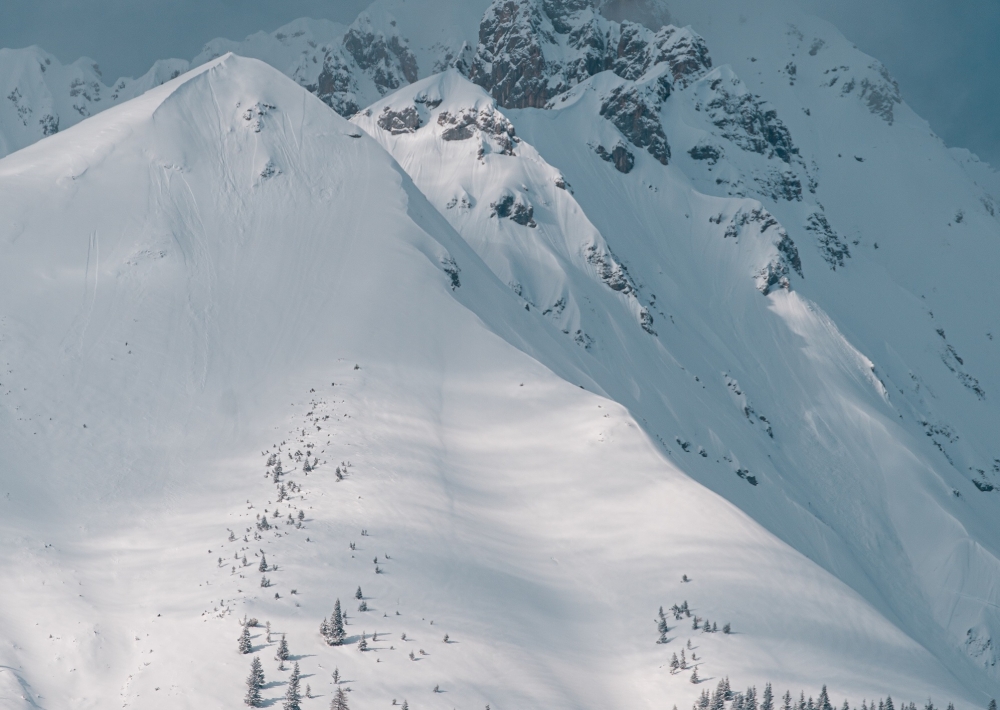
At least two skiers were killed and others seriously injured in an avalanche in Italy , specifically in the mountainous province of Bolzano. Local authorities have mobilized all available rescue teams to deal with the natural disaster that struck the region, while search operations continue for those still missing under the snowdrifts.
The Italian Mountain Rescue Service explained in an official statement released today that a group of ten skiers were suddenly trapped by an avalanche on Mount Verza, which rises to approximately 2,669 meters near the town of Racine. Field reports added that rescue teams managed to extract one of the injured and airlift him to the nearest hospital for urgent medical treatment due to the severity of his injuries. Meanwhile, several helicopters continue to circle the affected area, conducting search and rescue operations and supporting ground teams in their ongoing efforts.
Recurring avalanches in Italy: historical and geographical context
The Alps, which stretch across several European countries including Italy, are one of the most popular tourist destinations for winter sports and adventure enthusiasts. However, the geographical and climatic nature of these mountains makes them susceptible to sudden weather changes. Historically, avalanches in Italy have not been uncommon; rather, they are part of the annual challenges faced by authorities during the winter and spring thaw. In recent years, the Dolomites and the Italian Alps have experienced similar incidents that have claimed the lives of many climbers and skiers, prompting the government to strengthen early warning systems and develop mountain safety protocols to minimize casualties.
Expected impacts on winter tourism and safety measures
This tragic incident has significant repercussions at both the local and regional levels, particularly for the winter tourism sector, a cornerstone of the economy in the mountainous regions of northern Italy. It is expected to lead to a comprehensive review of safety procedures at ski resorts, and authorities may impose stricter restrictions on open ski runs, especially on days with severe weather fluctuations or relatively high temperatures that weaken snow cover.
Internationally, such incidents highlight the importance of cooperation between neighboring Alpine countries, such as Switzerland, Austria, and France, to share climate information and standardize mountain rescue procedures. They also serve as a stark reminder to skiers and tourists worldwide of the need to heed official warnings, avoid off-piste, and carry essential safety equipment such as GPS devices and avalanche detectors to ensure a safe experience and prevent similar disasters in the future.