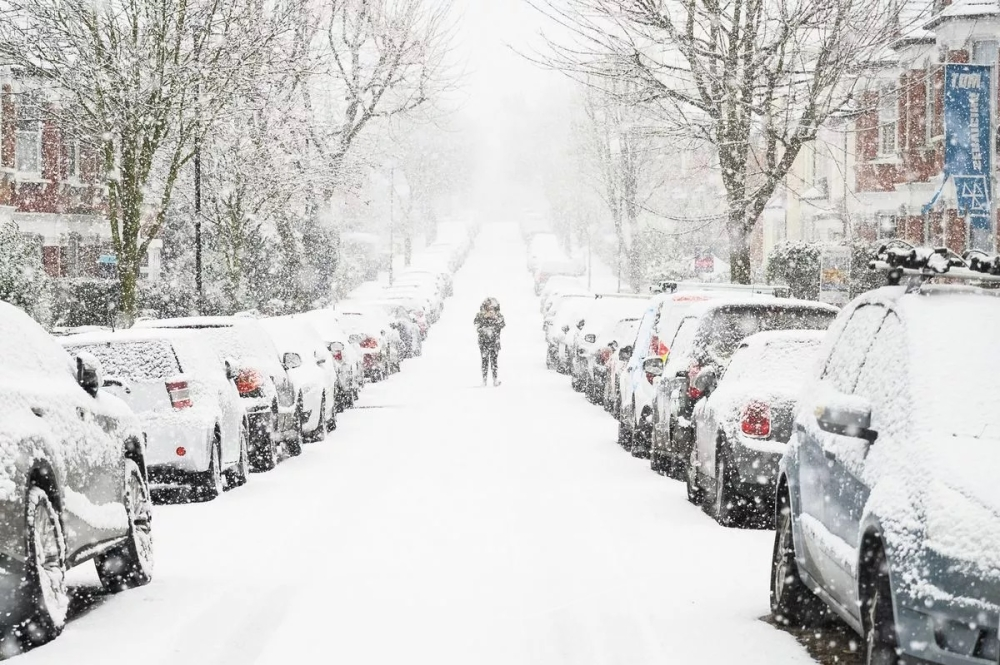
Austria is currently experiencing an unprecedented and severe polar cold wave, with large areas of the country transformed into completely frozen regions and temperatures reaching record lows. Weather stations in several towns in the Mühlviertel, Waldviertel, and Osvern districts of Tyrol and Upper Austria have recorded extremely low temperatures as low as -25 degrees Celsius, prompting a state of alert from the relevant authorities.
climatic context and exceptional circumstances
Although Austria is an Alpine country (located in the Alps) and accustomed to cold winter weather and snowfall, the sharp drop to below -20 and -25 degrees Celsius in populated areas is an exceptional event that warrants attention. This drop is due to the influx of extremely cold polar air masses, which has broken the normal averages for this time of year. Climate experts suggest that the increasing frequency of such extreme events may be linked to climate change affecting weather patterns across Europe, making cold spells more severe and sudden.
Official warnings and precautionary measures
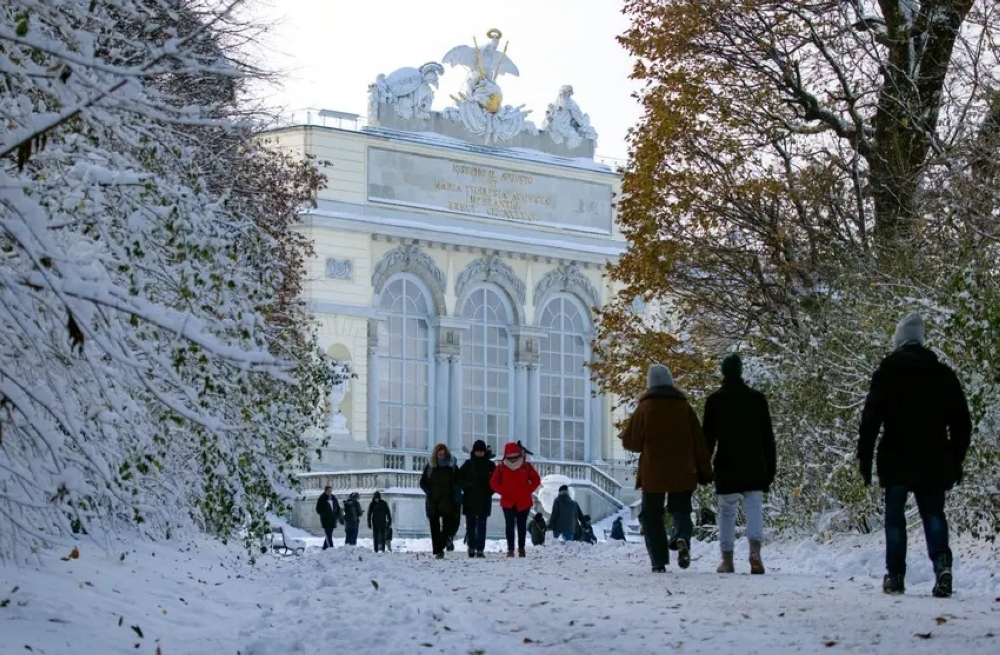
In response to this extreme weather, Austrian authorities issued official warnings covering wide areas, with the Austrian Institute for Climatology and Meteorology announcing that recorded temperatures were significantly below average. The forecast indicates that this cold snap will continue for the next few days, with warnings of bitterly cold nights, as temperatures will remain below freezing even during the day in most parts of the country.
The severe cold warning, which is in effect for 24 hours and subject to extension, covers several Austrian states, including Vorarlberg, Tyrol, Salzburg, Carinthia, Styria, and Lower Austria. These conditions require residents and visitors to exercise extreme caution, particularly regarding road travel, which may be affected by icy road conditions.
Health risks and medical recommendations
From a health perspective, medical organizations issued urgent appeals to citizens. In this context, Wolfgang Schreiber, chief physician of the Austrian Red Cross, urged people not to underestimate the severity of this extreme cold. He emphasized the need to avoid unnecessary outdoor activities as much as possible, to stay warm, and to drink plenty of hot fluids to maintain body temperature.
Schreiber specifically warned of the negative effects of frost on the heart and circulatory system, noting that the effort exerted to resist the cold may place an additional burden on the heart muscle, which calls for special care for the elderly, the sick, and children, to ensure their safety until this polar wave subsides.