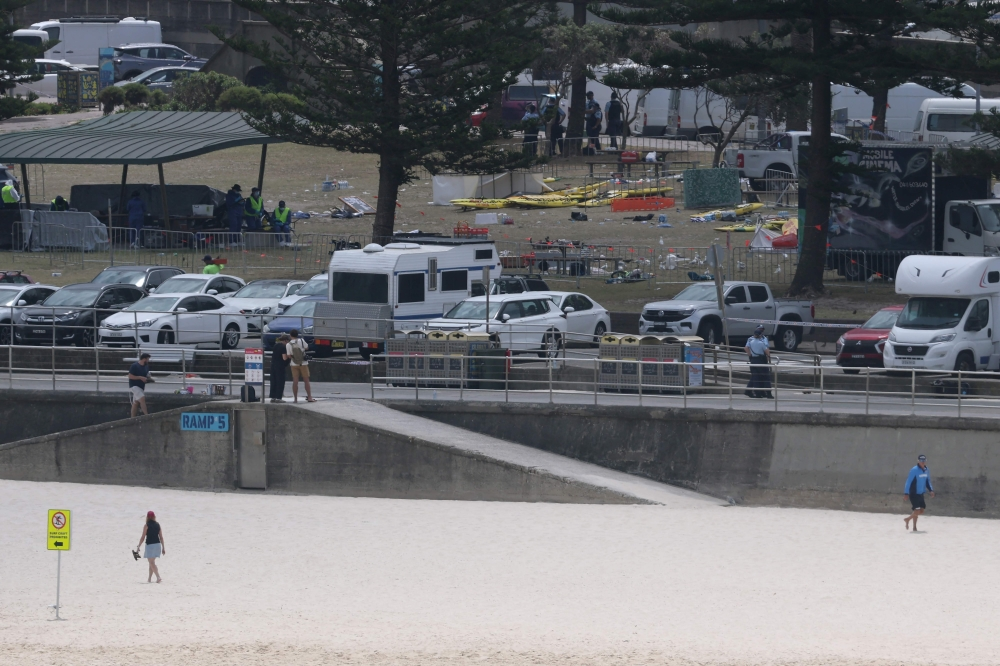
In the wake of the recent tragic attacks in Sydney, the national debate in Australia regarding gun laws and public safety has been reignited. Australian Prime Minister Anthony Albanese has called for a comprehensive review of existing legislation, emphasizing the need for states and territories to work together to ensure community safety. These calls come as a direct response to the shock of the attacks, which have brought to the forefront fundamental questions about violence prevention and law enforcement.
General context: The shock of the Sydney attacks
In April 2024, Sydney experienced two tragic incidents within a few days. The most prominent was the mass stabbing attack at the Westfield Bondi Junction shopping center, which left six people dead and others injured before police shot and killed the attacker. This attack, carried out by an individual with mental health issues, sparked grief and shock across the country and highlighted potential weaknesses in public security and the handling of vulnerable individuals.
Historical background: The legacy of the Port Arthur massacre
The current debate surrounding gun laws in Australia cannot be understood without going back to 1996 and specifically to the Port Arthur massacre in Tasmania, which claimed 35 lives. This event marked a turning point in the country's firearms policy. In a swift and decisive response, then-Prime Minister John Howard led a national coalition to pass the National Firearms Agreement. These sweeping reforms included a ban on semi-automatic weapons and assault rifles, the launch of a massive buyback program for firearms from citizens, and stricter licensing requirements. These measures resulted in a dramatic decrease in firearm homicides and related deaths and have become a global model for gun control.
The importance of the event and its expected impact
Although the recent Bondi attack involved a bladed weapon, it has reopened the debate on all aspects of gun laws, including knives and other bladed weapons. The current discussion extends beyond the tools used in violence to encompass deeper issues such as mental health, interstate information sharing, and police powers.
- At the local level: The attacks heightened the sense of unease in Sydney and led to an increased security presence in public places. They also prompted local authorities to review emergency protocols and rapid response plans.
- At the regional and national levels: Prime Minister Albanese has called for a meeting of national leaders to ensure a coordinated and consistent approach across the country. Discussions are expected to focus on closing any legal loopholes between states, improving background checks, and potentially imposing new restrictions on certain types of bladed weapons.
- Internationally, the world is closely watching how Australia handles this crisis. The country's past success in controlling firearms makes its current response a subject of interest, particularly for countries facing similar challenges in balancing individual freedoms and collective security.
In conclusion, this period represents a new test of Australia’s strict approach to public safety, and is likely to lead to a strengthening of the legal and security framework to protect its citizens from all forms of violence.