أعرب رئيس مفوضية الاتحاد الأفريقي، موسى فكي محمد، عن قلقه العميق إزاء التطورات الأخيرة التي يشهدها إقليم تيغراي شمال إثيوبيا، والتي تنذر بتقويض الاستقرار الهش الذي تحقق بعد عامين من الصراع المدمر. وفي بيان رسمي، دعا فكي جميع الأطراف المعنية إلى ممارسة أقصى درجات ضبط النفس والالتزام الكامل ببنود اتفاق السلام الموقع في بريتوريا.
خلفية الصراع واتفاق بريتوريا للسلام
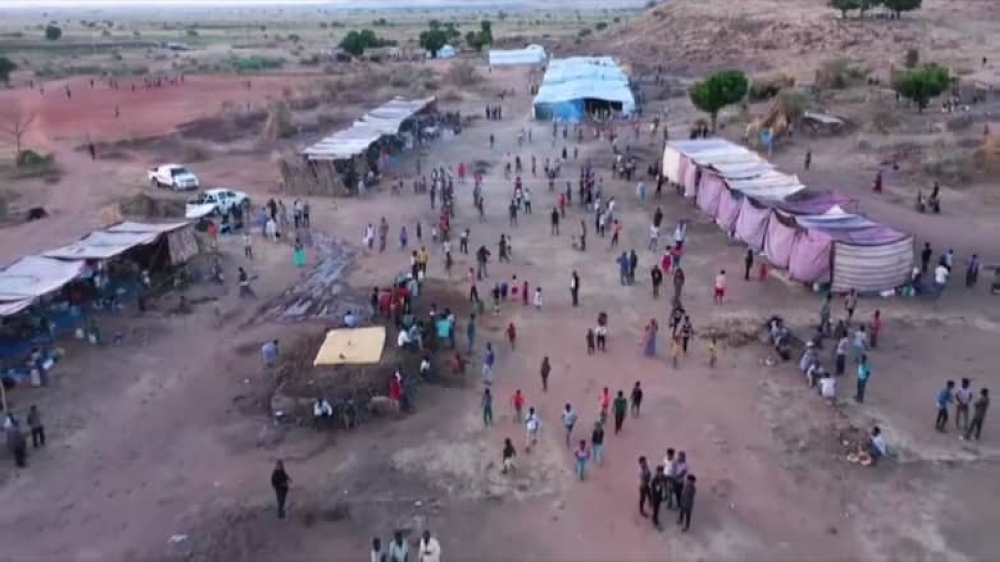
اندلع الصراع في إقليم تيغراي في نوفمبر 2020، نتيجة لتصاعد الخلافات السياسية بين الحكومة الفيدرالية الإثيوبية بقيادة رئيس الوزراء آبي أحمد، وجبهة تحرير شعب تيغراي التي كانت تهيمن على السياسة في البلاد لعقود. تحول الصراع سريعاً إلى حرب شاملة، شاركت فيها قوات من إريتريا وميليشيات إقليمية، مما أدى إلى أزمة إنسانية كارثية. وتشير التقارير الدولية إلى مقتل مئات الآلاف، ونزوح الملايين، وانتشار المجاعة وانتهاكات حقوق الإنسان على نطاق واسع.
وبعد جهود دبلوماسية مكثفة قادها الاتحاد الأفريقي، توصلت الحكومة الإثيوبية وجبهة تحرير شعب تيغراي إلى توقيع “اتفاق وقف الأعمال العدائية الدائم” في بريتوريا، عاصمة جنوب أفريقيا، بتاريخ 2 نوفمبر 2022. نص الاتفاق على نزع سلاح قوات تيغراي، واستعادة السلطة الفيدرالية على الإقليم، وضمان وصول المساعدات الإنسانية دون عوائق، وهو ما شكل نقطة تحول أوقفت القتال وفتحت الباب أمام عملية إعادة الإعمار والمصالحة.
أهمية الاستقرار وتأثيره الإقليمي
أكد رئيس المفوضية على الأهمية القصوى للحفاظ على المكتسبات التي تحققت بموجب هذا الاتفاق، محذراً من أن أي تراجع قد يعيد المنطقة إلى دوامة العنف. ودعا جميع الأطراف إلى الامتناع عن الأعمال التي يمكن أن تقوض الثقة المتبادلة، واللجوء إلى الحوار البناء لحل جميع القضايا العالقة، بما في ذلك الخلافات الحدودية وعودة النازحين.
إن استقرار إثيوبيا، باعتبارها ثاني أكبر دولة في أفريقيا من حيث عدد السكان ومقر الاتحاد الأفريقي، يعد ركيزة أساسية لأمن منطقة القرن الأفريقي بأكملها. وقد أثر الصراع في تيغراي بشكل مباشر على دول الجوار مثل السودان وإريتريا، وأثار قلقاً دولياً واسعاً. وبالتالي، فإن نجاح عملية السلام لا يمثل أهمية محلية فحسب، بل هو ضرورة إقليمية ودولية لمنع تفجر صراعات جديدة وزعزعة استقرار المنطقة المضطربة بالفعل.
وجدد الاتحاد الأفريقي استعداده لتوسيع نطاق دعمه وتسهيل الحوار بين الأطراف، وتوفير آليات بناء الثقة اللازمة لضمان تحقيق سلام دائم وعادل ومستدام في إقليم تيغراي وعموم إثيوبيا.