Iranian authorities announced that one person was killed and another injured in an attack on a radio station in Bandar Abbas , a strategic port city on the Strait of Hormuz in southern Iran. This unexpected incident has raised numerous questions about the nature of the attack and who was behind it, particularly given the ongoing tensions in the region.
Details of an attack on a radio station in Bandar Abbas
According to the Iranian state broadcaster IRIB, via its official channels including Telegram, the attack targeted a 100-kilowatt AM radio transmitter belonging to the Persian Gulf Radio and Television Center in the region. IRIB directly accused the US military of carrying out the precise targeting of the media facility.
This escalation resulted in casualties, with official reports confirming the death of one security guard working at the radio station, while another guard sustained injuries and is receiving necessary medical treatment. Despite the damage to the transmission equipment and the loss of life, the Iranian Broadcasting Authority quickly reassured the public, confirming that radio and television programming had resumed normally according to schedules without significant interruption.
The strategic importance and historical depth of the region
To understand the dimensions of this event, one must consider the sensitive geographical location of the target. Bandar Abbas is one of Iran's most important coastal cities and commercial ports, and it houses vital military and naval installations. The city overlooks the Strait of Hormuz, the world's most important waterway, which connects the Persian Gulf to the Gulf of Oman and the Arabian Sea.
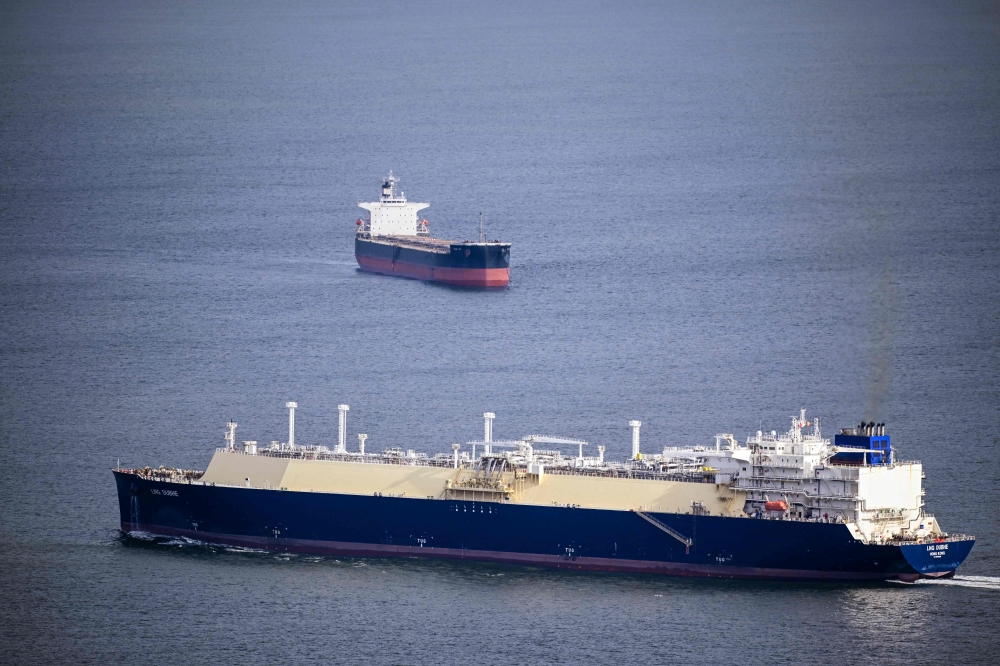
Historically, this region has always been a point of contact and friction between regional and international powers. Approximately one-fifth of the world's oil production passes through the Strait of Hormuz, making any security tension in its vicinity, whether targeting military installations or even civilian media outlets, extremely sensitive. The heavy military presence in this geographical area reflects the paramount importance Tehran attaches to protecting its coastlines and economic interests.
Expected repercussions and the event's impact regionally and internationally
This incident has implications and repercussions that extend beyond the local level. Domestically, this security breach may prompt Iranian authorities to tighten security measures around vital and media facilities, and perhaps reassess air defense and surveillance systems in the southern provinces.
On both the regional and international levels, directly accusing the US military of carrying out the strike opens the door to potential escalation scenarios. Relations between Washington and Tehran are chronically strained, and the region's history is replete with similar incidents, including the downing of drones, the seizure of oil tankers, and naval skirmishes. If the rhetoric of threats intensifies, this will immediately impact global energy markets, which are closely monitoring any potential disruption to navigation in the Strait of Hormuz. Consequently, the international community remains on tenterhooks, awaiting the outcome of this incident and how the parties involved will respond diplomatically and militarily in the coming days.