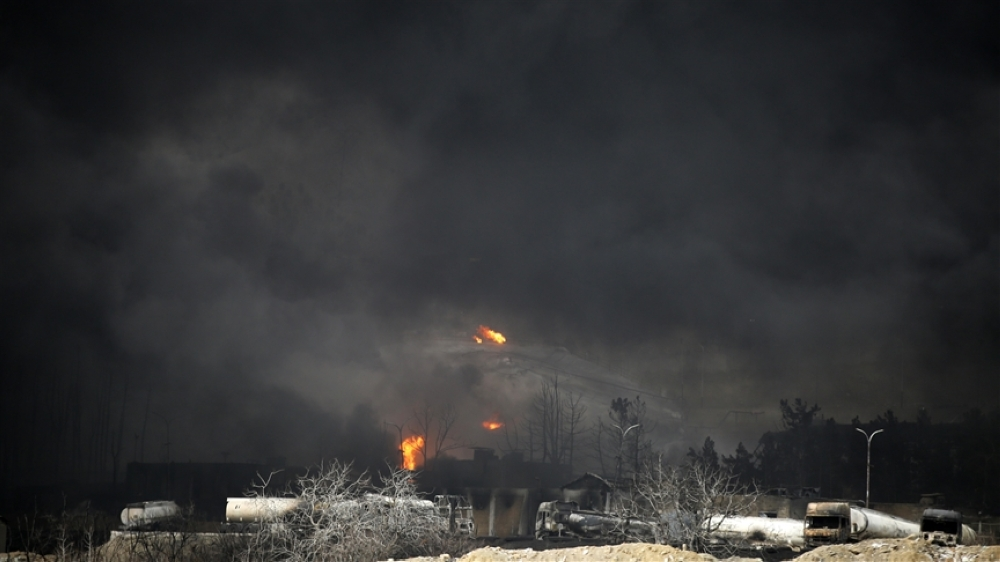
British police announced on Saturday the arrest of four people suspected of deliberately damaging the historic Tower of London, following a bizarre incident in which food was thrown at the bulletproof glass facade protecting the British Crown Jewels, which are among the most valuable royal treasures in the United Kingdom.
Details of the incident and the group's confessions
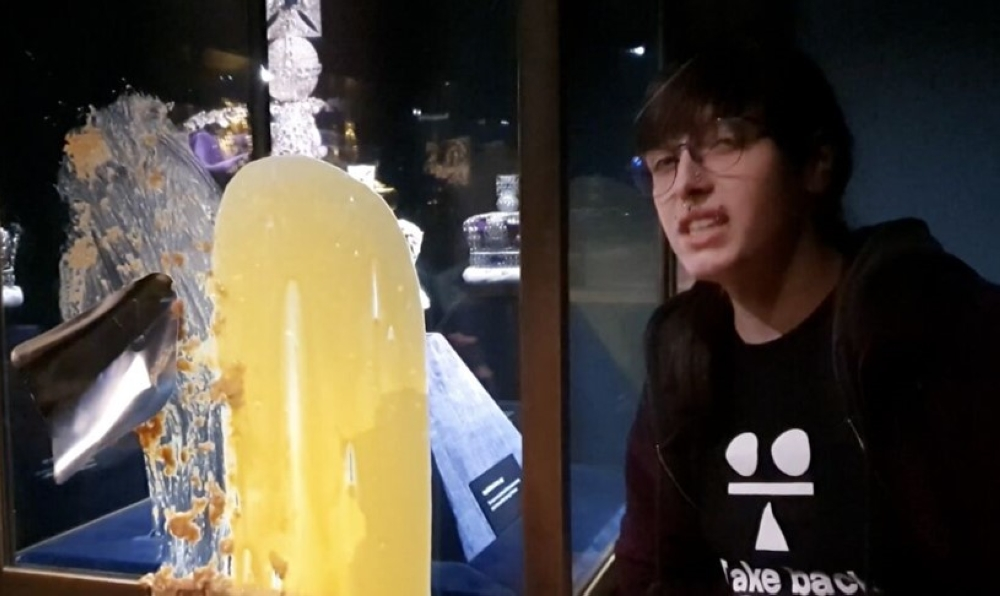
According to security reports, police received a report at 10:00 AM local time of a disturbance inside the Jewel House at the Tower of London. A group calling itself "Take Back Power" claimed responsibility, posting a video showing activists removing food containers of apple crumble and English custard and pouring them over the glass case containing the royal crowns.
The activists appeared in the video wearing T-shirts bearing the group's logo, chanting political slogans such as "Democracy has collapsed," and justifying their actions as an attempt to "reclaim power." The group is calling for the creation of a citizens' assembly with the power to impose progressive taxation on the wealthy and implement structural reforms in Britain.
Crown Jewels: Historical Symbolism and Priceless Value
The protesters directly targeted the facade protecting the Imperial State Crown, the most famous piece in the royal jewel collection. This crown is of immense historical and material value, adorned with thousands of rare gemstones, including the Black Prince's Ruby and the Cullinan II Diamond, and crafted from gold, silver, purple velvet, and ermine fur. The British monarch wears this crown only on highly significant constitutional occasions, most notably the State Opening of Parliament, making it a symbol of sovereignty and authority in the United Kingdom.
The general context and the rise of civil disobedience movements
This incident comes amid a rising wave of "civil disobedience" protests in Europe and Britain, where activist groups deliberately target cultural, artistic, and historical symbols to draw attention to their causes. It is reminiscent of previous actions by the Just Stop Oil movement, whose activists poured soup on Vincent van Gogh's "Sunflowers" at the National Gallery in London in an effort to raise awareness about climate change.
Security measures and the impact of the incident
Following the incident, the Tower of London management temporarily closed the iconic landmark to visitors and tourists to allow police to conduct their investigation and collect evidence. Police confirmed that the four suspects were arrested on suspicion of criminal damage, while investigations are ongoing to determine if there were any accomplices or plans to target other historical sites.