The humanitarian disaster in South and Southeast Asia continues to unfold, with the death toll from devastating floods and landslides surpassing 1,000 on Monday, in one of the worst natural disasters to hit the region in recent years. Sri Lanka and Indonesia, the two hardest-hit countries, are in a race against time to save lives, with military forces deployed to assist in evacuations and relief efforts.
The root of the disaster: Unprecedented monsoon rains
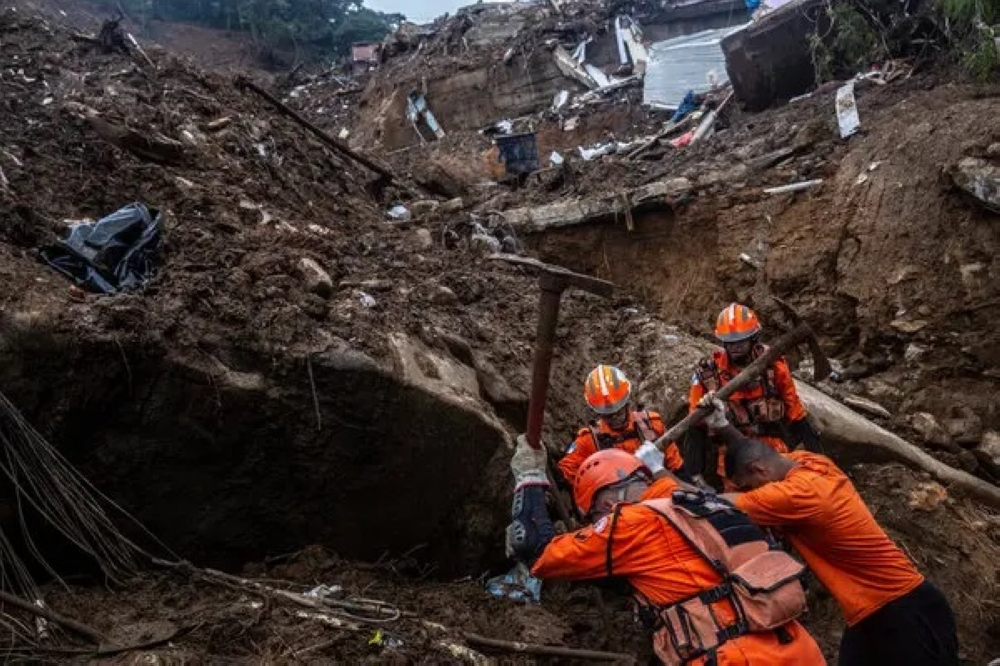
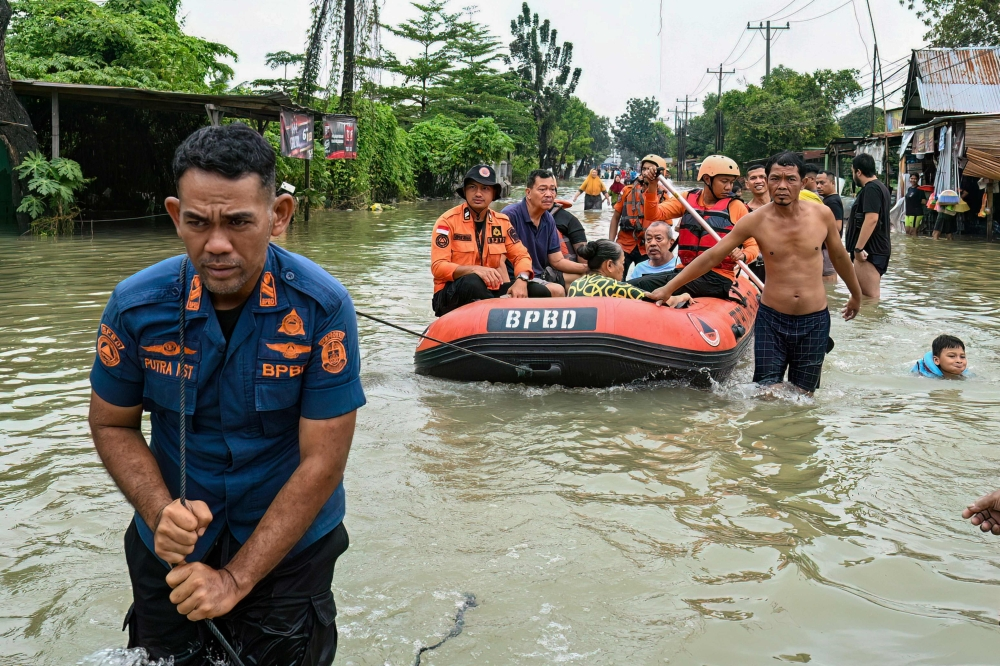
Over the past week, the region has experienced severe weather, resulting in exceptionally heavy rainfall. Almost all of Sri Lanka, large parts of Indonesia's Sumatra, as well as southern Thailand and northern Malaysia, were flooded. These rains, exacerbated by a rare tropical storm, turned rivers into raging torrents, isolating entire villages and trapping thousands of residents on their rooftops, awaiting rescue teams using boats and helicopters to reach them.
Indonesia and Sri Lanka: Relief efforts in the eye of the storm
In Indonesia, President Prabowo Subianto described the situation as tragic during a visit to North Sumatra, emphasizing that "the government's priority now is how to send the necessary aid immediately." His administration is facing increasing pressure to declare a national emergency after the death toll reached at least 502, with more than 500 people still missing. This disaster is the deadliest in Indonesia since the 2018 Sulawesi earthquake and tsunami. The government has dispatched warships loaded with medical and food aid to the affected areas.
On the other hand, the Sri Lankan government issued an urgent appeal to the international community for assistance. President Anura Kumara Dissanayake declared a state of emergency, pledging to rebuild what was destroyed by the disaster that claimed the lives of at least 340 people. In an address to the nation, he said, “We are facing the biggest and most difficult natural disaster in our history.” This tragedy brings back memories of the devastating 2004 tsunami, which killed approximately 31,000 people in Sri Lanka alone.
Regional impact and challenges of climate change
The damage was not limited to Indonesia and Sri Lanka. In southern Thailand, at least 176 people died, making it one of the deadliest floods the country has seen in the past decade. The government's response has drawn local criticism, leading to the suspension of local officials.
This disaster once again highlights the region's vulnerability to climate change. The annual monsoon season, while a natural phenomenon, is becoming increasingly extreme. Scientists warn that climate change is intensifying and increasing the frequency of storms, leading to heavier rainfall and more devastating floods. Other factors, such as deforestation and unplanned urban sprawl, are exacerbating the effects of landslides and flash floods, putting the lives of millions at increasing risk each year.