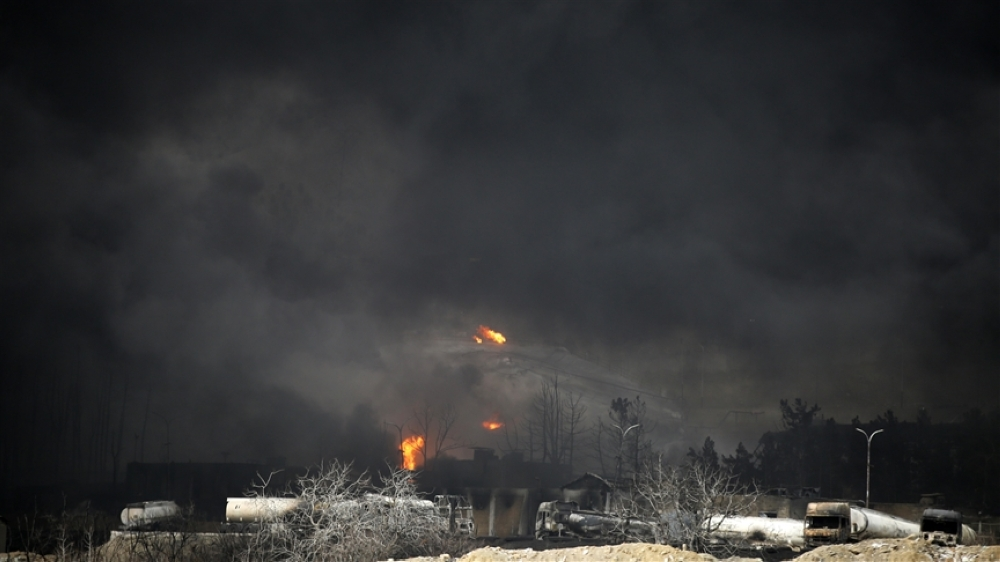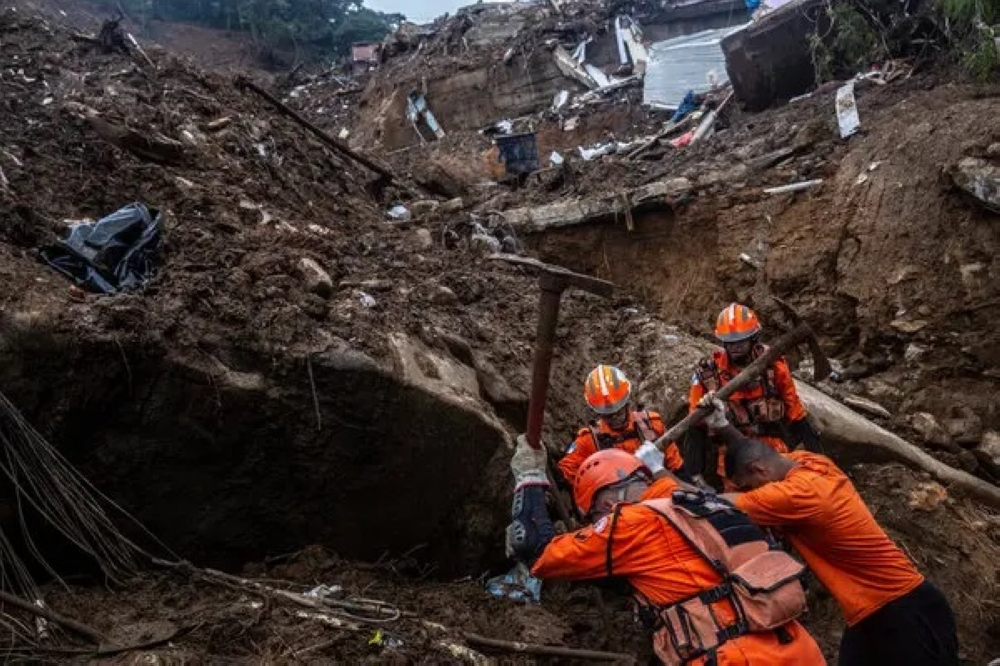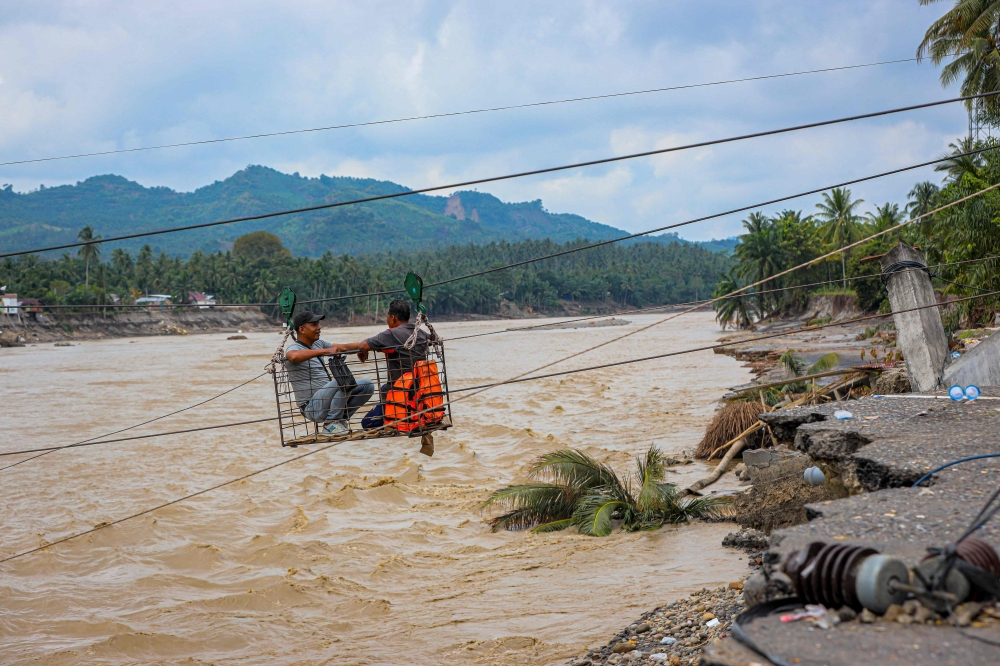
Rescue and search efforts continue across South and Southeast Asia after torrential monsoon rains triggered devastating floods and landslides. The official death toll has tragically risen to over 1,300 in Indonesia, Sri Lanka, Thailand, and Malaysia, while nearly 1,000 people remain missing, raising fears that the number of fatalities could climb even higher in the coming days.
General context of the natural disaster
This disaster comes in the context of the monsoon season, an annual climatic phenomenon affecting large parts of Asia. While these rains are essential for agriculture and replenishing water resources, in recent years they have become more extreme and erratic, a trend experts link to global climate change. Rising ocean temperatures are increasing water evaporation, resulting in rainfall that exceeds the capacity of natural and man-made infrastructure to handle it. Deforestation and unplanned urban expansion are exacerbating the situation, weakening soil and increasing the likelihood of landslides in mountainous and hilly areas.
Relief efforts and field challenges
Floodwaters have inundated vast areas of villages and cities, leaving thousands of people trapped in their homes or on rooftops awaiting rescue. Rescue teams, comprised of military and police personnel as well as local volunteers, are facing immense challenges reaching the affected areas. Many roads and bridges have been destroyed or rendered unusable, forcing rescuers to use boats and helicopters to reach those trapped and deliver essential aid. Authorities in the affected countries have reported 753 deaths in Indonesia, 410 in Sri Lanka, 181 in Thailand, and three in Malaysia, with search and rescue operations continuing for the missing.
Importance and expected effects
Locally, the floods have triggered a major humanitarian crisis, with hundreds of thousands of people displaced to temporary shelters and facing severe shortages of food, clean drinking water, and medical care. There are growing concerns about outbreaks of waterborne diseases such as cholera and typhoid. Economically, the disaster has devastated vast agricultural areas, threatening the livelihoods of millions who depend on agriculture. Regionally and internationally, the United Nations has expressed its full readiness to support relief efforts, confirming that its field teams are prepared to provide necessary assistance to affected governments. This disaster once again highlights the vulnerability of these regions to extreme natural disasters and underscores the urgent need to strengthen early warning systems and invest in climate-resilient infrastructure.