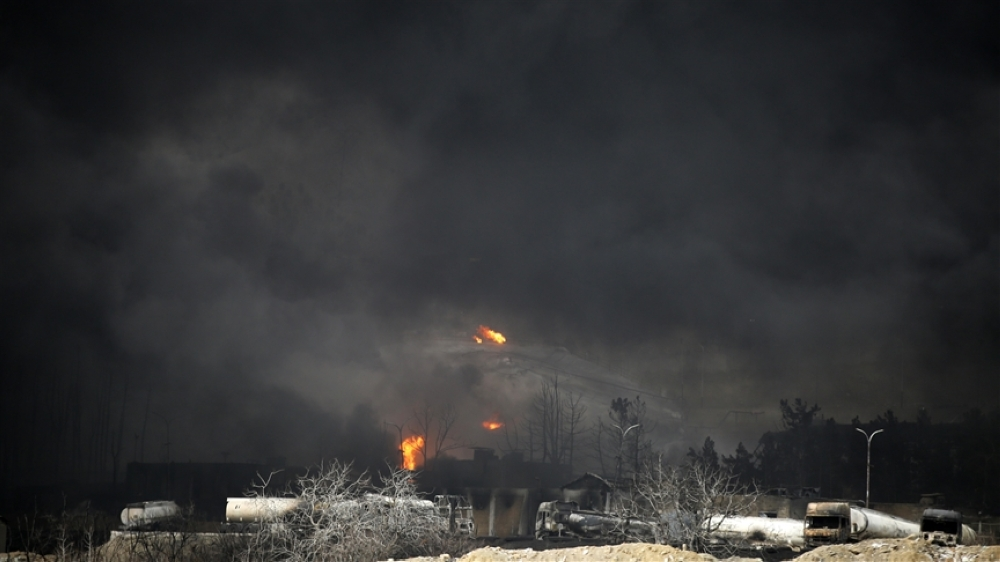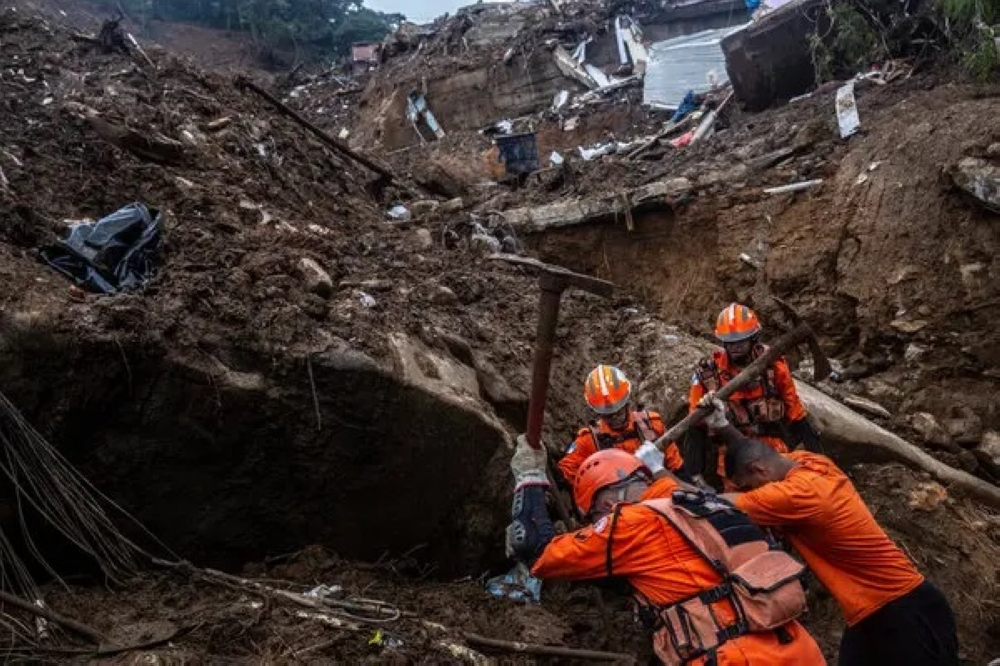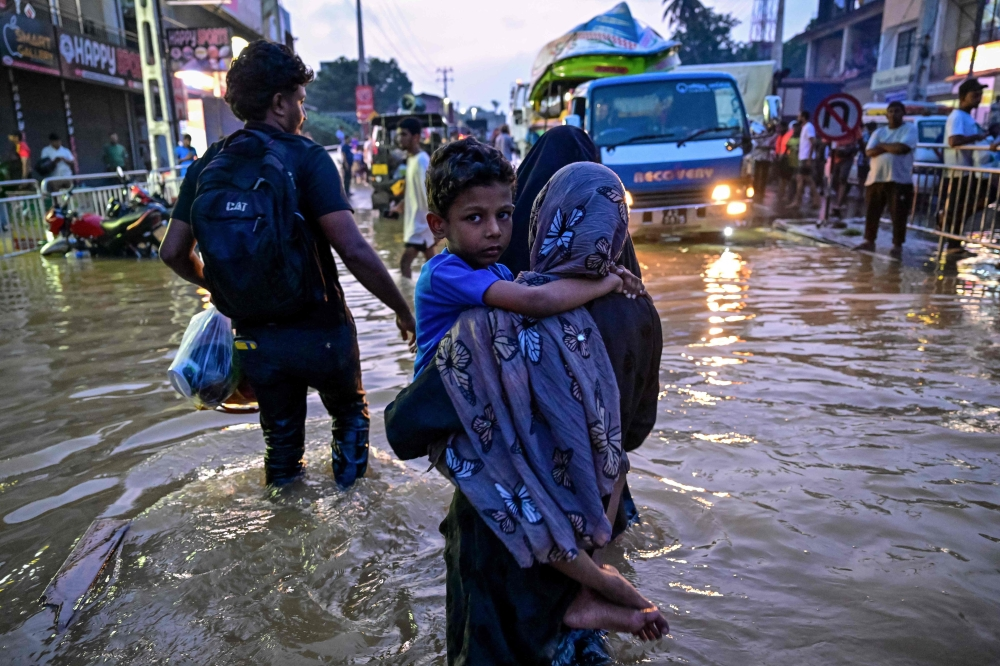
A wave of devastating floods and landslides has struck vast areas of South and Southeast Asia, leaving behind immense destruction and a major humanitarian crisis. The total death toll in Indonesia, Sri Lanka, and Thailand has surpassed 1,100, while hundreds remain missing, with the numbers expected to rise in the coming hours. Authorities in the affected countries have mobilized all available resources, including deploying military forces, in a race against time to rescue those trapped and provide urgent aid to survivors.
Climatic context and historical background
This disaster comes amid a complex climate situation in the region, where severe weather fluctuations have caused unprecedented heavy monsoon rains over the past week. These countries, by virtue of their geographical location, are constantly vulnerable to extreme weather events, especially during the monsoon season. However, meteorologists link the intensity of this storm to the effects of global climate change, which is increasing the frequency and intensity of storms and cyclones. Other factors, such as deforestation and unplanned urban expansion, are also exacerbating the situation, weakening the soil and increasing the likelihood of devastating landslides.
Indonesia: Sumatra island is the most affected
In Indonesia, the disaster was concentrated in three provinces on the island of Sumatra, where floods and landslides have claimed the lives of at least 593 people, according to the latest figures from the National Disaster Management Agency. The agency indicated that the situation remains critical, with 468 people still missing, while more than 578,000 have been evacuated to safe areas. The Indonesian president emphasized that the government's top priority is delivering urgent relief aid, especially to isolated and stranded areas.
Sri Lanka and Thailand: Emergency response and appeal for help
In Sri Lanka, which was struck by Cyclone Detwah, bringing torrential rains, the government declared a state of emergency. Sri Lankan officials reported 355 deaths and 366 missing. The government issued an urgent appeal to the international community for assistance, while military helicopters worked around the clock to reach affected villages. Meanwhile, in Thailand, at least 176 people died in floods that swept through the south of the country, described as the worst in a decade, presenting the government with enormous logistical and humanitarian challenges.
Importance and expected effects
The repercussions of this disaster extend far beyond the immediate human toll, reaching profound economic and social impacts. Locally, the floods destroyed vital infrastructure, including roads, bridges, and homes, and devastated vast areas of farmland that are a primary source of livelihood for millions. There is also growing concern about the spread of waterborne diseases. Regionally and internationally, this disaster underscores once again the vulnerability of this region to natural disasters and highlights the urgent need to strengthen early warning systems, develop resilient infrastructure, and ensure concerted international efforts to address the challenges of climate change.