Regional tragedy: Death toll exceeds 900
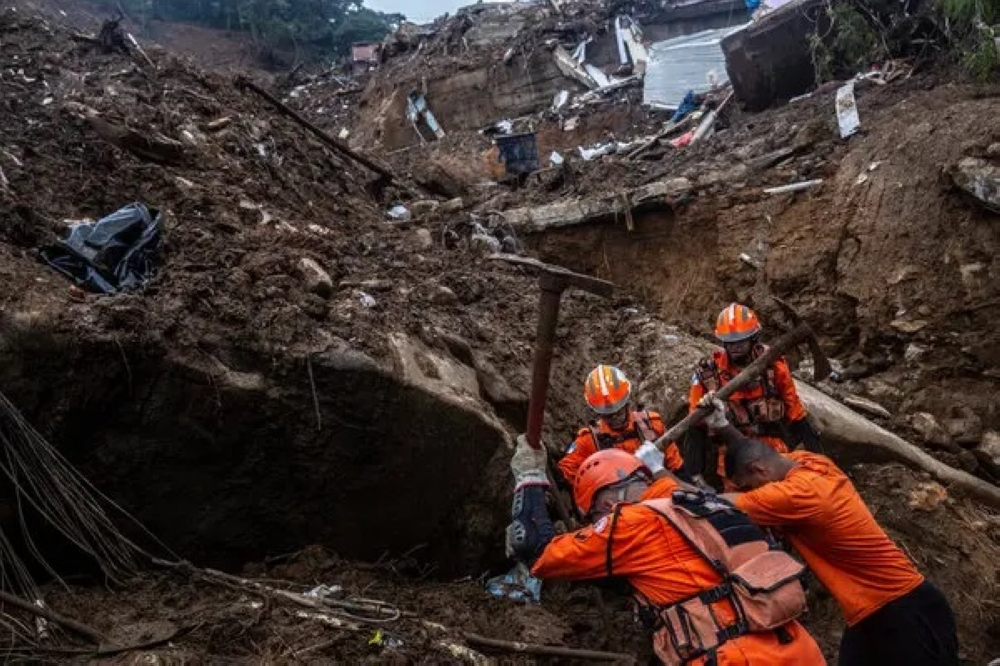
In a natural disaster that has struck South and Southeast Asia, the death toll from devastating floods and landslides that swept through Indonesia, Sri Lanka, Thailand, and Malaysia has risen to over 900 as of Sunday, while the fate of hundreds remains unknown, raising fears that the number of victims will increase. Rescue teams and local authorities are racing against time to clear blocked roads and debris in search of possible survivors or to recover the bodies of the missing after unprecedented monsoon rains.
Details of the disaster in the most affected countries
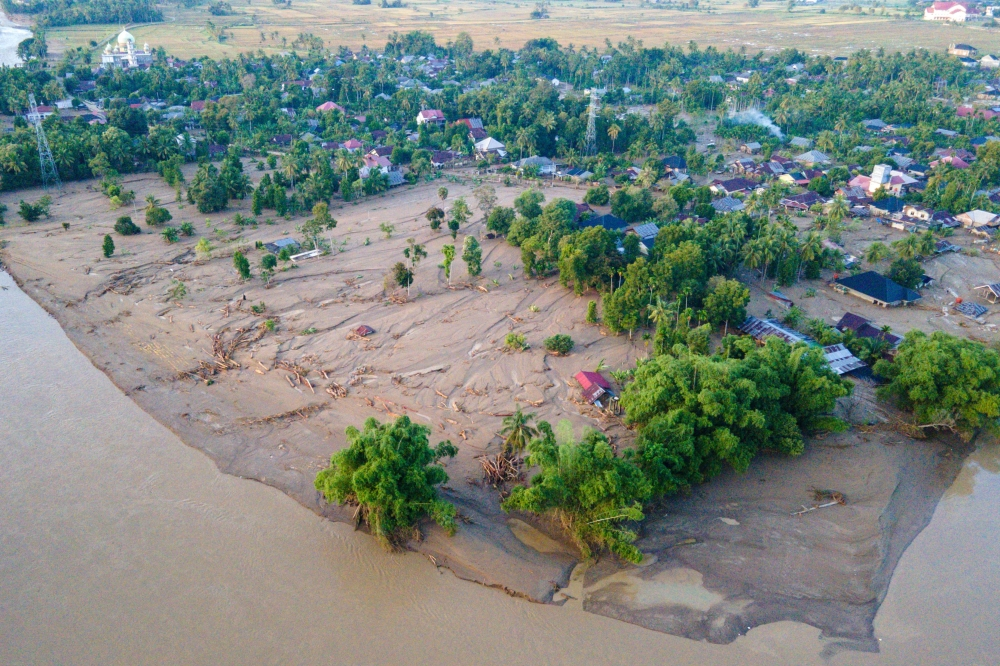
Indonesia is the country hardest hit by the disaster, with the National Disaster Management Agency reporting a death toll of 442, and 402 people still missing. On the island of Sumatra, the towns of Tabanoli and Sibolga remain completely cut off, prompting authorities to send warships to deliver urgent humanitarian aid to the stranded residents.
In Sri Lanka , Cyclone Detwah brought a week of torrential rain, killing at least 334 people and leaving 400 missing. The rising waters of the Kelani River caused widespread flooding in the northern parts of the capital, Colombo, and it is estimated that more than a million people have been affected across the country.
In Thailand , the country faced its worst flooding in a decade, which claimed 162 lives. Authorities are working to distribute aid to tens of thousands evacuated from their homes, while facing increasing criticism over their handling of the crisis. In Malaysia , the situation was less tragic, with only two deaths reported.
The climatic and geographical context of recurring disasters
South and Southeast Asia are among the most disaster-prone regions in the world, particularly during the monsoon season. These torrential rains, sometimes exacerbated by powerful tropical cyclones, cause devastating floods and deadly landslides almost annually. Geographical factors further aggravate the crisis, as many major cities and communities are located in low-lying coastal areas or along riverbanks, making them directly vulnerable to rising water levels. Unplanned urban sprawl and deforestation also contribute to the problem, weakening the soil's ability to absorb rainwater and increasing the risk of mudslides.
The importance and expected effects of the disaster
The impact of these floods extends far beyond the immediate human to include profound economic and social repercussions. Locally, the disaster has caused massive destruction of infrastructure, including homes, roads, and bridges, hindering relief efforts and further isolating affected communities. It has also severely impacted the agricultural sector, a primary source of livelihood for millions in these areas. Regionally and internationally, this disaster underscores the urgent need to strengthen early warning systems and develop climate-resilient infrastructure. Affected governments are expected to appeal for international assistance to support rescue and reconstruction efforts, which could take years and require billions of dollars in investment.