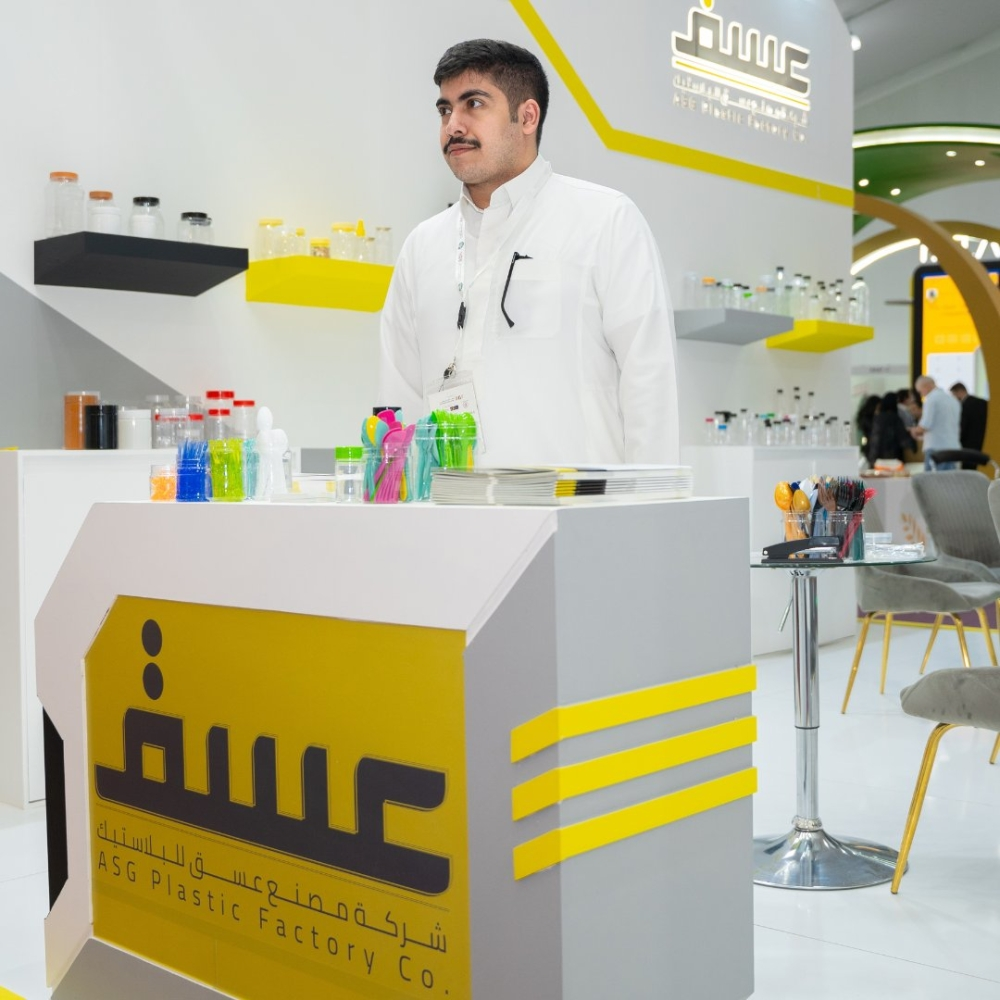
Asq Plastic Factory officially announced the completion of procedures to obtain strategic financing from the Saudi Industrial Development Fund, totaling SAR 35 million. This step comes as part of the company's efforts to strengthen its financial position and support working capital, which will positively impact its operational activities and competitiveness in the market.
Financing details and repayment schedule
According to the company's statement, the financing agreement was signed on December 31, 2025. The financing term is two years, with the company establishing a clear and scheduled repayment plan that includes four equal installments. Each installment is SAR 8.75 million, payable over periods of 12, 16, 20, and 24 months from the date of the first disbursement. Regarding guarantees, the company clarified that the financing is fully covered (100%) by personal and mutual guarantees provided by major shareholders, reflecting the owners' commitment to supporting the company's progress.
The role of the Industrial Development Fund in economic empowerment
This financing is part of the pivotal role played by the Saudi Industrial Development Fund (SIDF) in the national economy. Since its establishment, the Fund has served as a key driver of industrial development in the Kingdom by providing medium- and long-term loans to industrial projects. The Fund's role extends beyond financial support to include providing financial and technical advice, with the aim of enhancing the efficiency of local factories and enabling them to expand and increase their production capacity.
Alignment with the Kingdom's Vision 2030 and the industrial sector
This step is particularly important given the economic momentum in Saudi Arabia under Vision 2030, which places great emphasis on the National Industrial Development and Logistics Program (NIDLP). This initiative aims to transform the Kingdom into a leading industrial power and reduce reliance on imports by enhancing local content.
The plastics and petrochemicals sector is a cornerstone of Saudi Arabia's industrial strategy, given the local availability of petrochemical raw materials. Supporting working capital for factories like Asq contributes to the stability of supply chains, enabling companies to withstand market fluctuations, ensuring continuous production, and meeting growing demand in the local and regional markets. This ultimately benefits the overall economy and increases the private sector's contribution to non-oil GDP.