الرياض، المملكة العربية السعودية – في خطوة ثقافية بارزة تهدف إلى تعزيز الموروث الوطني، يشارك متحف مسك للتراث “آسان” للمرة الأولى في فعاليات مهرجان خادم الحرمين الشريفين للهجن 2026، الذي يُقام على أرض ميدان الجنادرية التاريخي لسباقات الهجن. ويأتي هذا التعاون المثمر مع الاتحاد السعودي للهجن ليسلط الضوء على العلاقة العميقة والمتجذرة بين الإنسان والإبل في شبه الجزيرة العربية، ويحتفي بها كرمز أصيل للهوية السعودية.
خلفية تاريخية: الإبل كسفينة الصحراء ورمز ثقافي
على مر العصور، لم تكن الإبل مجرد وسيلة نقل في صحاري شبه الجزيرة العربية، بل كانت شريان الحياة الذي قامت عليه المجتمعات. لُقبت بـ”سفينة الصحراء” لقدرتها الفائقة على تحمل الظروف القاسية وقطع مسافات شاسعة، مما جعلها ركيزة أساسية في التجارة والترحال والتواصل بين الحضارات. تجاوز دورها الجانب المادي ليصبح جزءًا لا يتجزأ من النسيج الثقافي، حيث احتلت مكانة مرموقة في الشعر العربي القديم كرمز للصبر والتحمل والجمال، وارتبطت بقصص الكرم والفروسية التي شكلت وجدان الإنسان في هذه الأرض.
معرض يجسد التراث ويعزز الهوية
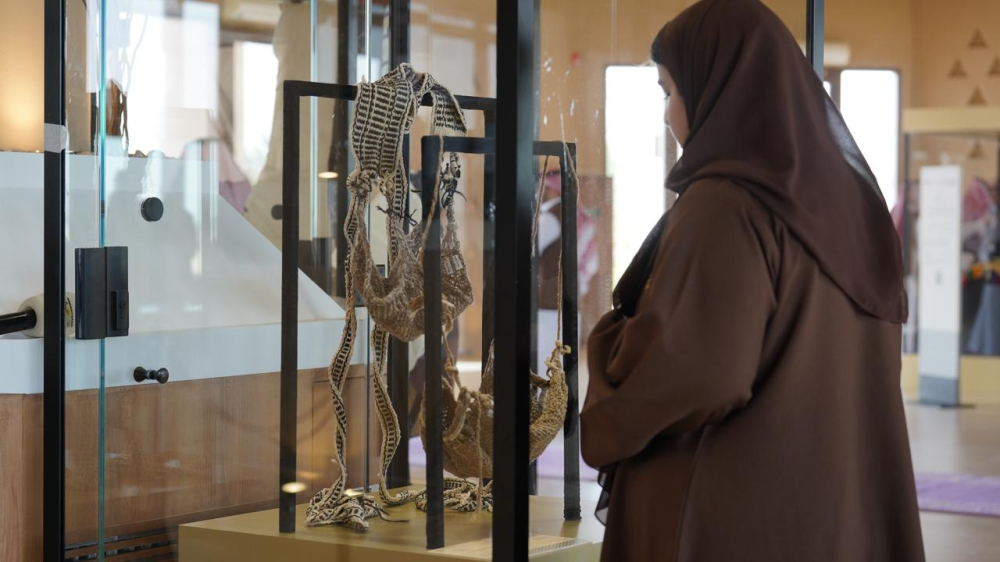
يقدم متحف “آسان”، التابع لمؤسسة مسك، معرضًا استثنائيًا يضم مقتنيات وقطعًا فنية منتقاة من مجموعة “فنون التراث” و”آسان”. يهدف المعرض إلى إبراز القيمة الثقافية التي يحملها التراث المرتبط بالإبل، وكيف أسهمت في تشكيل أنماط الحياة السعودية على مدار قرون. تجسد المقتنيات المعروضة تقاليد راسخة قامت على المعرفة العميقة بتربية الإبل والعناية بها، وتعكس الحرفية العالية في صناعة الأدوات والمستلزمات المرتبطة بها، مقدمةً للزوار رحلة معرفية غنية عبر الزمن.
وفي هذا السياق، صرح خالد الصقر، الرئيس التنفيذي للمتحف: “تُعد الجِمال أحد الرموز الثقافية الراسخة في المجتمع السعودي، إذ ارتبطت بتاريخ الإنسان في هذه الأرض وأسهمت في تشكيل أنماط حياته واقتصاده وتنقله عبر الأجيال. ولا تزال هذه المكانة حاضرة اليوم، حيث تتجسد في الفعاليات الرياضية والتراثية التي تعكس استمرارية هذا الإرث وتجدده”. وأضاف: “من خلال مشاركة ‘آسان’ في المهرجان، نسعى إلى تجسيد عمق العلاقة الثقافية مع الجمل، وإبراز كيف يمتد هذا الإرث من جذوره التاريخية ليواصل حضوره وتطوره في المشهد الثقافي المعاصر”.
شراكة استراتيجية تخدم رؤية 2030
من جانبه، أكد المهندس محمود البلوي، المدير التنفيذي للاتحاد السعودي للهجن، أن هذا التعاون يمثل نقلة نوعية في إبراز الجوانب غير المادية لهذا الإرث العريق. وقال: “تمثّل هذه المشاركة إضافة قيّمة وذات بُعد ثقافي عميق للمهرجان، فهي جسر معرفي يسهم في إثراء فهم تراث الهجن وتقديمه للعالم بصورة أعمق وأكثر شمولاً وحداثة”. وأضاف البلوي أن هذه الشراكات الثقافية تأتي ترجمةً مباشرة لمستهدفات رؤية المملكة 2030 في صون التراث الوطني وتأصيله لدى الأجيال القادمة، وتعزيز قطاعي الثقافة والسياحة.
الأهمية والأثر المتوقع
تكتسب هذه المشاركة أهمية كبرى على عدة مستويات. فعلى الصعيد المحلي، تعزز الفخر بالهوية الوطنية وتربط الجيل الجديد بتاريخ أجدادهم. وعلى الصعيدين الإقليمي والدولي، يقدم المهرجان، من خلال هذه الشراكة، صورة مشرقة عن جهود المملكة في الحفاظ على تراثها وتقديمه بأساليب مبتكرة ومعاصرة، مما يساهم في جذب السياح والباحثين والمهتمين بالثقافة العربية الأصيلة. إن دمج الفن والتراث في قلب حدث رياضي شعبي مثل مهرجان الهجن يفتح آفاقًا جديدة لتعزيز الحوار الثقافي وتقديم تجربة متكاملة للزوار من مختلف أنحاء العالم.