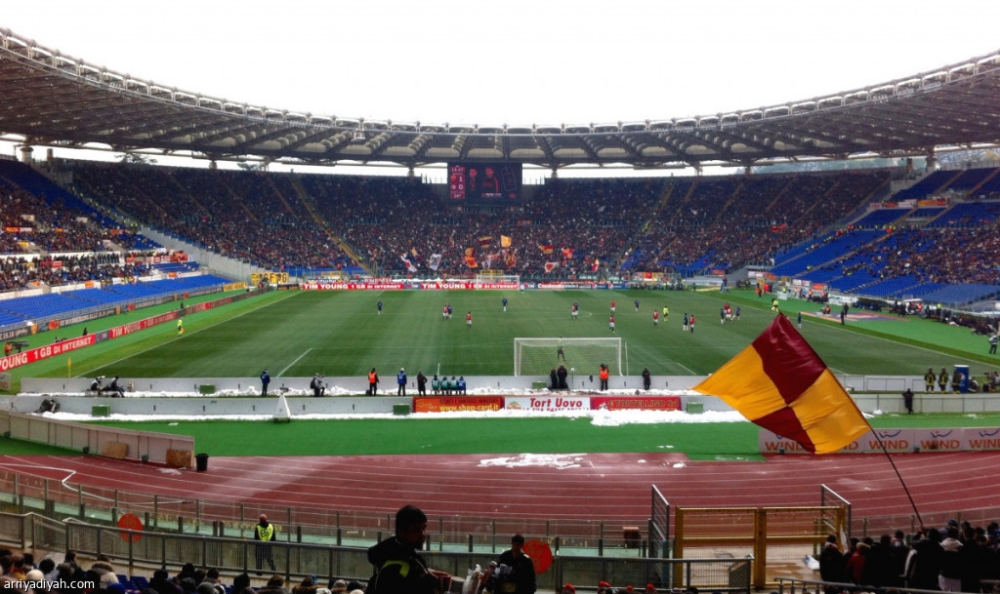
Media reports indicate that AS Roma's management has taken a decisive step towards realizing their long-held dream of owning their own stadium, having submitted the necessary documents for a feasibility study. This paves the way for their departure from the historic Stadio Olimpico. The total cost of this ambitious project is expected to exceed £1 billion (approximately €1.2 billion), making it one of the most expensive and significant sporting projects in the history of Italian football.
Historical background and general context: Goodbye to the Olimpico
This ambitious project marks the end of a long era for AS Roma at the Stadio Olimpico, a venue inaugurated in 1953 and which hosted the 1960 Olympic Games. Despite its historical significance, the stadium, which the Giallorossi share with their arch-rivals Lazio, no longer meets the standards of modern European clubs. Ownership of the stadium remains with the Italian state, depriving the club of vital revenue streams such as matchday income, naming rights, and non-sporting events. Previous attempts to build a new stadium have been made, most notably the Tor di Valle project under former owner James Pallotta, which stalled for years due to bureaucratic and regulatory hurdles before being ultimately abandoned. This makes the current progress under the Friedkin Group, the club's owners, a significant achievement in itself.
Project importance and expected impact
The impact of the new stadium extends far beyond the sporting realm, representing a significant leap forward on economic and social levels. Locally, for the club , the stadium will provide a sustainable financial stream that will enhance the team's competitiveness by increasing the budget allocated to transfers and salaries, and by complying with Financial Fair Play regulations. It will also offer fans a unique experience through state-of-the-art facilities and integrated amenities. Regionally, for the city of Rome , the project will contribute to the revitalization of the Petralata district, chosen to host the stadium, by creating thousands of jobs during the construction and operational phases, and by improving the surrounding infrastructure. Internationally , this move places Roma among the major European clubs that own their own stadiums, such as Juventus and Premier League clubs, thus enhancing the brand value of Serie A as a whole.
Project details and next steps
The project is being spearheaded by the Friedkin Group, which also owns English club Everton and recently relocated the club to its new stadium after 133 years at Goodison Park. Roma plans to build the new stadium in the Pietralata district of the Italian capital, with a capacity of 62,000 spectators, and a design that incorporates the highest environmental sustainability standards. The plans are expected to undergo final review by city council committees in early 2026 before final approval is granted to begin construction. If all goes according to plan, this decade could see the opening of a new sporting landmark that reflects the club's history and the passion of its fans, representing a historic transformation on both the sporting and investment levels.