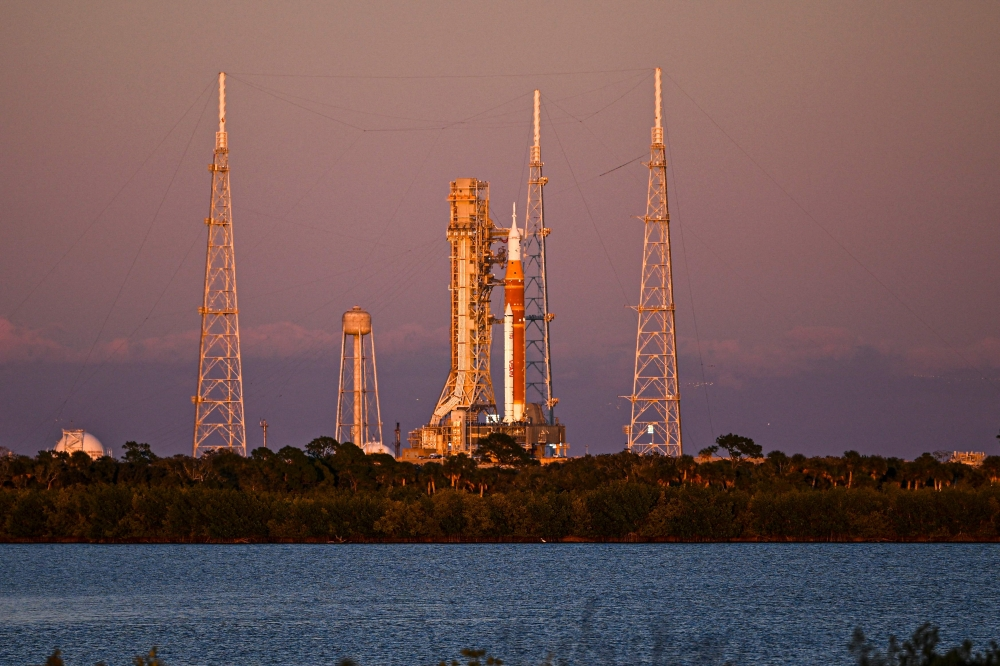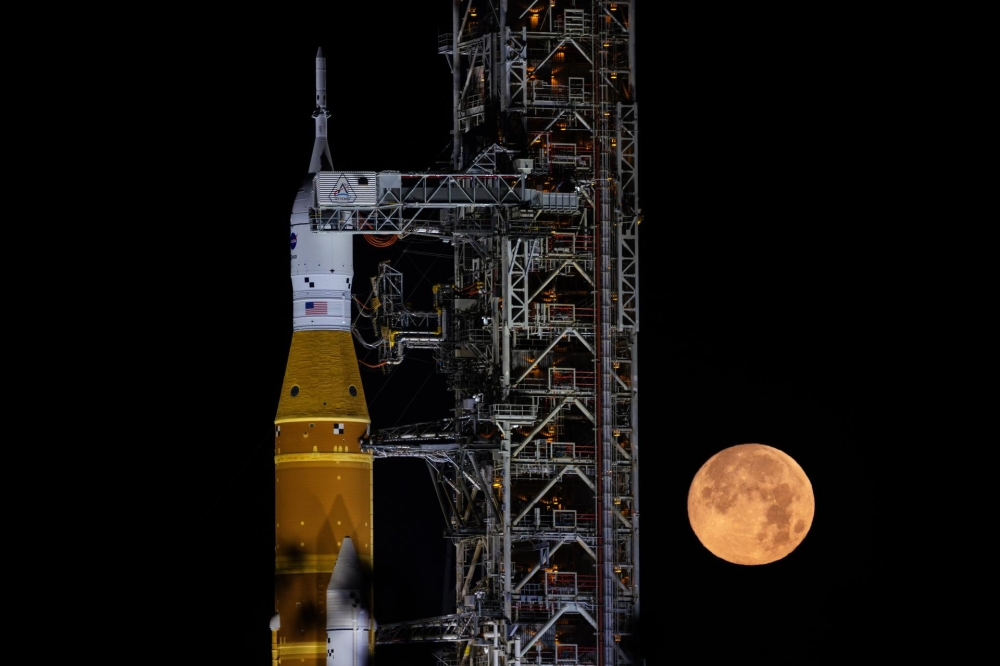
NASA has announced the postponement of the Artemis 2 mission, which would have been the first crewed mission to orbit the Moon in over 50 years, due to a new technical issue with the Space Launch System (SLS) rocket. This delay represents a temporary setback for the ambitious program aimed at returning humans to the lunar surface, but it also underscores NASA's unwavering commitment to the safety of its astronauts.
The discovered malfunction involves a disruption in the flow of helium gas to the rocket's upper stage, a vital component for engine purging and maintaining proper pressure in the fuel tanks. NASA confirmed that this issue is entirely separate from the hydrogen fuel leaks that caused previous delays, highlighting the complex engineering challenges of operating this new generation of giant rockets. Engineers are currently analyzing data to determine the root cause of the problem and exploring options for fixing it, either immediately on the launch pad or after the 98-meter-tall rocket is returned to the assembly building.
Historical context: From Apollo to Artemis
This development comes at a significant historical juncture, as the Artemis program marks humanity's official return to close-quarters lunar exploration. Since the Apollo 17 mission in December 1972, no human has traveled beyond low Earth orbit. The Apollo program brought the Cold War-era space race to a close, but Artemis ushers in a new era of international cooperation and competition. Named after Apollo's twin sister in Greek mythology, the program aims for more sustainable goals, including building a space station in lunar orbit (the Gateway) and establishing a long-term human presence on the Moon, paving the way for the next monumental step: sending humans to Mars.
The importance of the mission and its global impact
The significance of the Artemis 2 mission extends far beyond its role as a mere spaceflight; it represents a crucial test of the Orion spacecraft and the Space Launch System (SLS) with a human crew aboard for the first time. The success of this mission, which will orbit the Moon without landing, is a prerequisite for moving forward with Artemis 3, the mission planned to land the first woman and the first person of color on the lunar surface, specifically at its water-ice south pole. The success of the Artemis program will solidify American leadership in space, spur technological innovation, and inspire a new generation of scientists and engineers. Internationally, the program fosters collaboration through the Artemis Accords, signed by dozens of nations, but it also comes at a time of growing space ambitions among other countries, adding a strategic dimension to the race to return to the Moon.