تُشكل عادة وضع الأعشاب العطرية على الرأس واحدة من أبرز السمات الثقافية والجمالية التي تميز منطقة جازان جنوب المملكة العربية السعودية. هذه العادة ليست مجرد زينة عابرة، بل هي تجسيد حي لعمق الارتباط الروحي والمادي بين الإنسان الجازاني وبيئته الخصبة، حيث تحولت النباتات العطرية عبر القرون إلى لغة بصرية تعبر عن الفرح، الكرم، والذوق الرفيع الذي توارثته الأجيال.
تنوع نباتي يعكس ثراء الطبيعة
منذ القدم، اعتاد أهالي المنطقة، نساءً ورجالاً، على الاستفادة من التنوع البيئي الفريد الذي تحظى به جازان، حيث تتنوع التضاريس بين السواحل والسهول والجبال الشاهقة. هذا التنوع أفرز قائمة طويلة من النباتات العطرية ذات الروائح الفواحة مثل: الفل، الكادي، الريحان، البعيثران، الشيح، والواله. وتُقطف هذه الأعشاب بعناية فائقة من المزارع المحلية وسفوح الجبال، لتصبح رمزًا للنقاء والأصالة، وجزءاً لا يتجزأ من الزينة اليومية وفي المناسبات.
طقوس الزينة: بين السهل والجبل
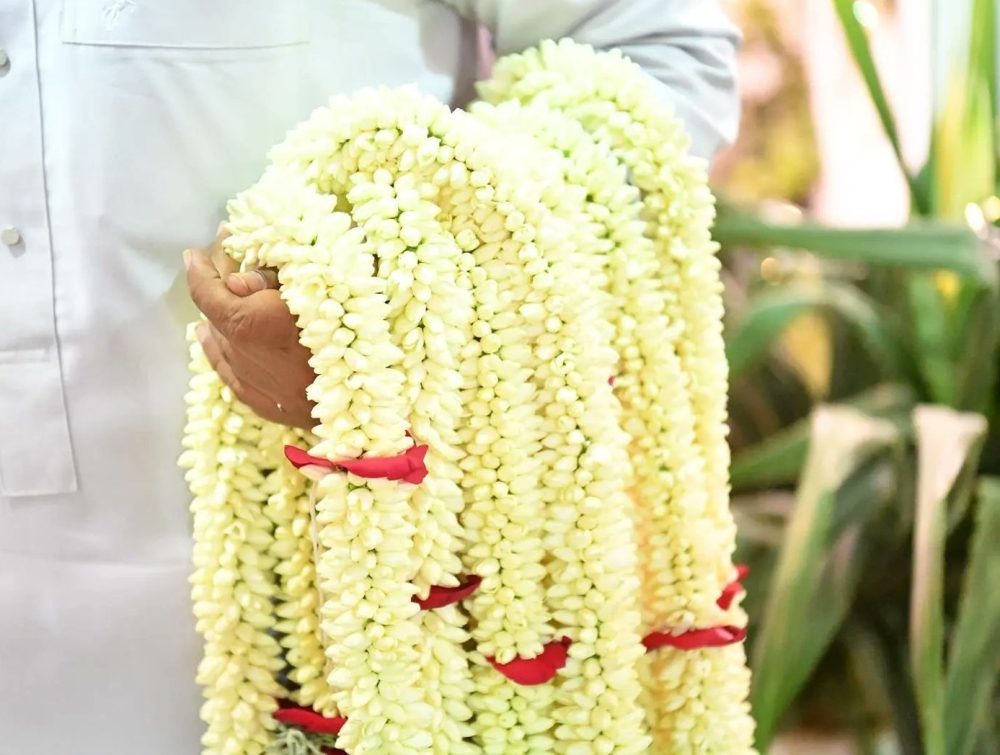
تختلف طرق استخدام هذه الأعشاب باختلاف التضاريس؛ ففي المناطق الجبلية مثل فيفاء وبني مالك، يشتهر الرجال بارتداء "العصابة"، وهي طوق من الأعشاب العطرية والزهور البرية يوضع على الرأس بشكل دائري متقن، يعكس شموخ ابن الجبل وتناغمه مع طبيعته. أما النساء في عموم المنطقة، فيتفنن في جدل الشعر وتزيينه بـ "الخطوة" أو العقود المصنوعة من الفل الأبيض والردائم، مما يضفي لمسة جمالية ساحرة تعبر عن الهوية الجازانية.
أبعاد اجتماعية واقتصادية
لا تقتصر أهمية الأعشاب العطرية على الجانب الجمالي فحسب، بل تمتد لتشمل أبعاداً اجتماعية واقتصادية هامة. فقد تحولت زراعة وبيع هذه النباتات، وخاصة الفل والكادي، إلى رافد اقتصادي حيوي للعديد من الأسر، حيث تنتشر أسواق النفع العام المتخصصة في بيعها. كما تلعب هذه الأعشاب دوراً محورياً في المناسبات الاجتماعية والأفراح والأعياد، حيث يُعد إهداء عقود الفل رمزاً للمحبة والتقدير، وتعتبر رائحتها العبقة السمة المميزة التي تملأ أجواء الاحتفالات.
عنصر جذب سياحي وثقافي
في ظل الاهتمام المتزايد بالسياحة التراثية، باتت هذه العادات عنصراً بارزاً في المشهد السياحي لمنطقة جازان. وتسهم المهرجانات المتخصصة، مثل "مهرجان الفل والنباتات العطرية"، في تسليط الضوء على هذا الموروث وتعريف الزوار والسياح به، مما يعزز من مكانة المنطقة كوجهة سياحية تجمع بين جمال الطبيعة وعراقة التراث. إن استمرار هذا التقليد هو دليل على اعتزاز الإنسان السعودي بهويته، وقدرته على الحفاظ على موروثه الشعبي حياً ونابضاً بالجمال في وجه متغيرات العصر.