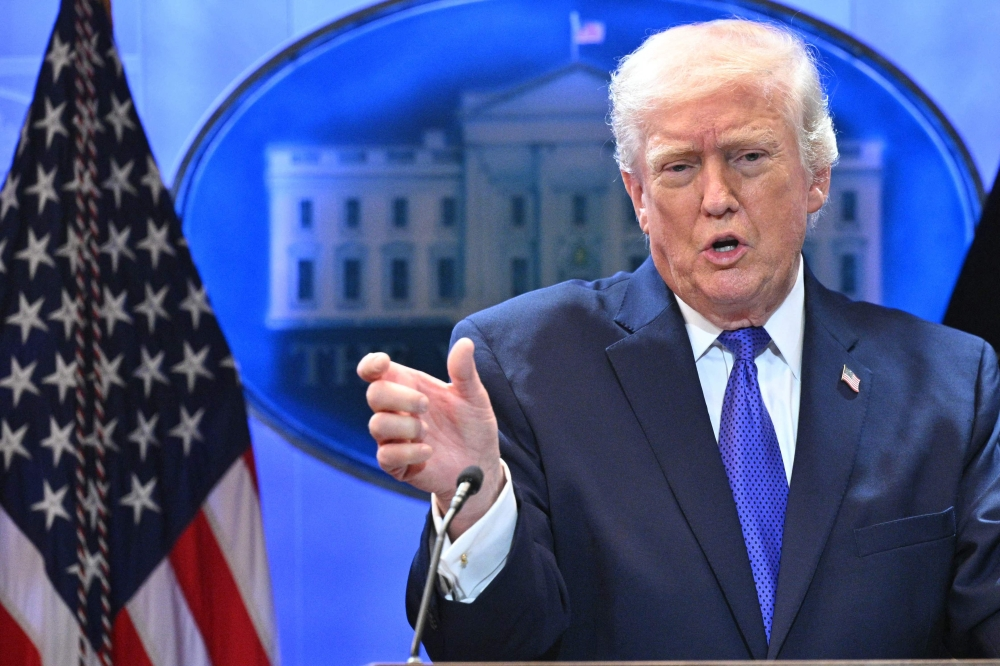
The U.S. Secret Service announced that an armed man was shot and killed by its agents after attempting to breach security at Mar-a-Lago, the Florida resort and former residence of President Donald Trump. The incident occurred early Sunday morning, highlighting once again the growing security challenges facing prominent political figures in the United States.
According to an official statement from Secret Service spokesman Anthony Guglielmi, the suspect, a man in his early twenties, was seen at the resort's north gate carrying what appeared to be a shotgun and a can of fuel. The statement added, "Secret Service agents confronted the suspect and fired. None of our agents or resort security personnel were injured." Officials confirmed that Donald Trump was not at the resort at the time of the incident, as he was in Washington, D.C.
A context of political tensions and repeated threats
This incident comes amid a highly polarized political climate in the United States, which has seen a rise in threats against government officials and political candidates. This attempt is the latest in a series of security incidents targeting former President Trump in recent months, raising serious concerns among security agencies responsible for protecting public figures.
Last July, Trump survived an assassination attempt at a campaign rally in Pennsylvania when Matthew Crooks, 20, fired a shot from the roof of a nearby building, injuring Trump slightly in the ear and killing one attendee. The FBI also thwarted another plot in September, planned by Ryan Roth, 59, to assassinate Trump at a golf course in Florida; Roth was later sentenced to life in prison.
The importance of the incident and its security implications
The Mar-a-Lago incident underscores that threats extend beyond public gatherings to include the residences of political figures, placing additional strain on the Secret Service. This incident is expected to prompt a comprehensive review of security protocols for protecting former presidents and their families, particularly at frequently visited locations like Mar-a-Lago, which became a sort of “Winter White House” during Trump’s presidency and remains a hub of his political activity.
Domestically, this type of incident fuels public debate about hate speech and political violence, and their impact on individuals, driving them to commit acts of extremism. Internationally, the recurrence of such attacks could undermine the image of political stability in the United States and reflect the deep internal divisions within the country.