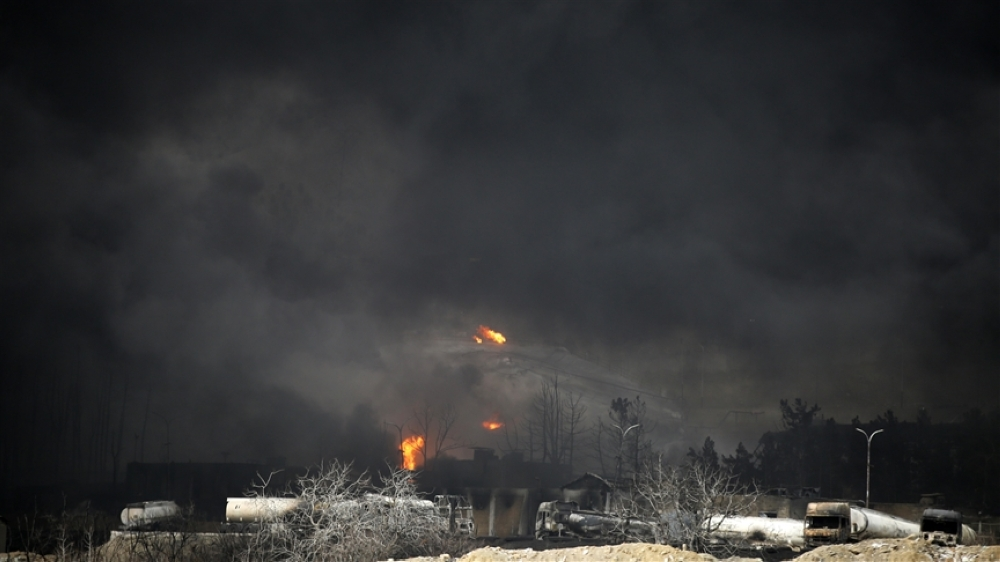
A convoy of fuel tankers was attacked by gunmen near the town of Bougouni in southern Mali, resulting in the burning of at least 15 trucks. This serious security development threatens to exacerbate the country's energy crisis. Field and local sources reported that the convoy was traveling under the protection of Malian army units towards the capital, Bamako, when it was ambushed by unidentified gunmen.
According to reports, the targeted trucks caught fire immediately after the attack, while some other vehicles managed to escape and return to the capital, which is about 160 kilometers from the scene. This surprise attack ends a period of relative calm that lasted for about 15 days and had raised hopes for improved fuel supplies to the capital and major cities, which are already suffering from a severe shortage of petroleum products.
Strategic importance and impact of the attack
This attack is particularly significant given its geographical location; Bougouni lies on a vital route connecting Mali to neighboring coastal states and serves as a key artery for the transport of goods and fuel in this landlocked country. Targeting supply convoys in the southern regions, historically considered more secure than the north and center, indicates a shift in the tactics of armed groups aimed at economically strangling the capital and crippling its logistical infrastructure.
The repercussions of the energy crisis in Mali
This incident is expected to cast a dark shadow over the economic and living conditions in Mali. The country relies almost entirely on fuel imports by truck to operate its power plants and keep its economy running. Mali is already facing a severe energy crisis, with the national electricity company unable to meet rising demand, leading to prolonged power outages that affect hospitals, factories, and homes. A recurrence of such attacks would drive up transportation and insurance costs and exacerbate fuel shortages in local markets.
Security and political context
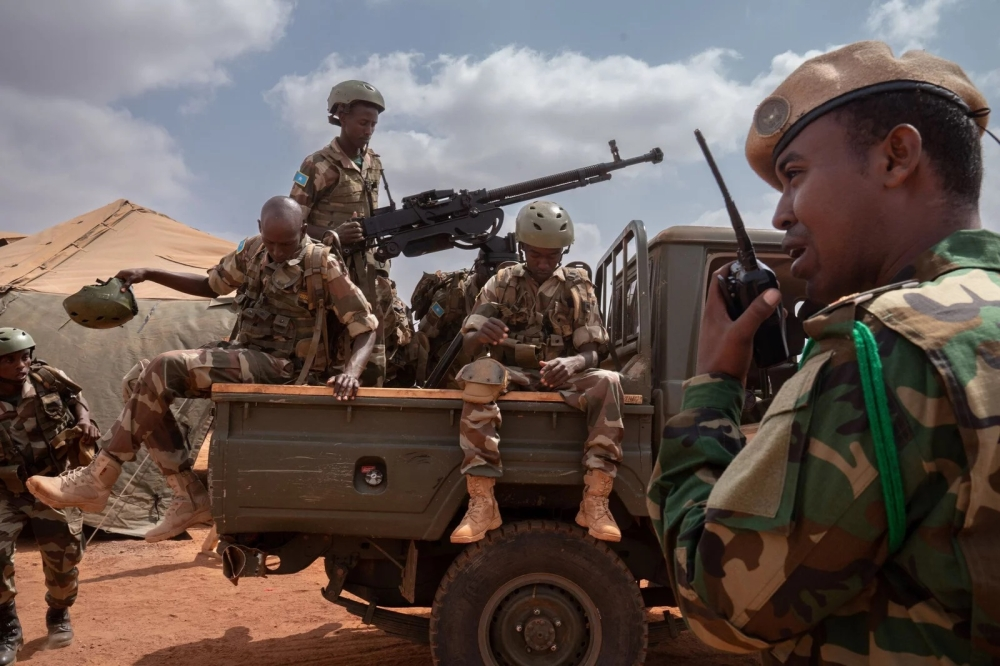
Mali has been mired in a cycle of violence and instability since 2012, beginning with a rebellion in the north that then spread to include groups linked to al-Qaeda and ISIS in the center of the country. More recently, attacks have begun to approach the south and the capital, Bamako. Despite the military efforts of Mali's transitional authorities and the involvement of new international partners to bolster security, securing long trade routes remains a major logistical and security challenge given the expanding scope of armed operations.