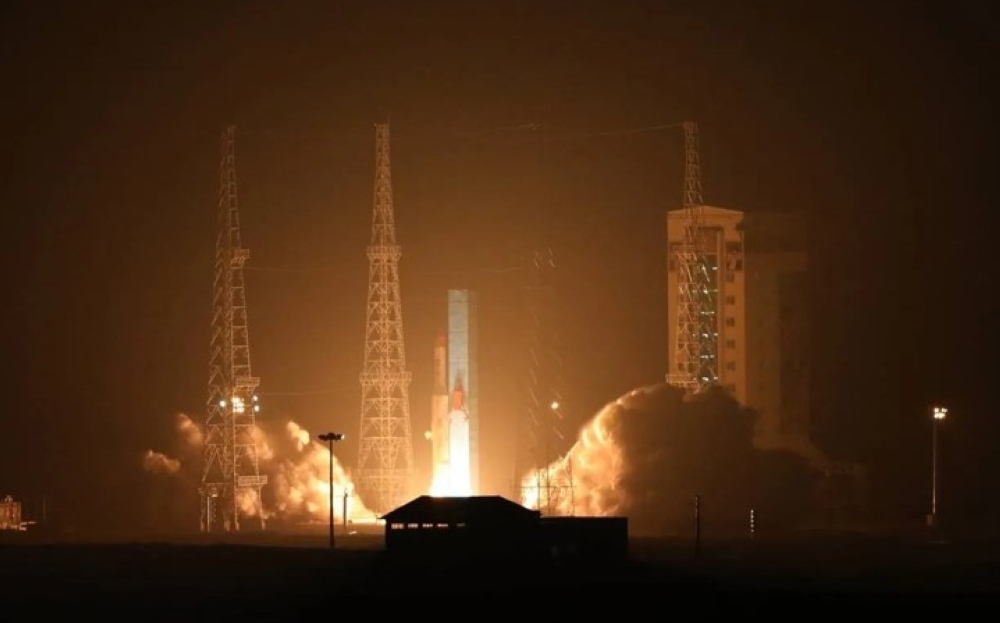
أعلنت شركة "أريان سبايس" الأوروبية رسمياً أن شهر فبراير المقبل سيشهد محطة مفصلية في تاريخ قطاع الفضاء الأوروبي، حيث من المقرر إطلاق 32 قمراً صناعياً ضمن مشروع "كويبر" (Kuiper) التابع لشركة أمازون، وذلك على متن صاروخ "أريان 6" الجديد. وتأتي هذه الخطوة لتدشن مرحلة جديدة من العمليات التجارية للصاروخ الأوروبي العملاق.
تفاصيل المهمة والقدرات التقنية
أوضح ديفيد كافايوليس، الرئيس التنفيذي لشركة "أريان سبايس"، أن هذه المهمة ستكون الأولى التي يُستخدم فيها صاروخ "أريان 6" لصالح عميل تجاري بحت، بعد أن اقتصرت رحلاته الأربع السابقة خلال عام 2025 على مهام مؤسسية لصالح جهات حكومية وعسكرية أوروبية. وأشار كافايوليس إلى أن الشركة تستهدف تنفيذ ما بين سبع إلى ثماني مهمات فضائية خلال العام الجاري، وهو ما يمثل ضعف المعدل الذي تم إنجازه في العام الماضي، مما يعكس الثقة المتزايدة في قدرات الصاروخ الجديد.
ومن الناحية التقنية، ستشهد هذه المهمة ترقية نوعية، حيث سيتم تجهيز الصاروخ لأول مرة بأربعة محركات دفع مساعدة (Booster)، وهي النسخة المعروفة بـ A64، مما يضاعف قدرته الاستيعابية لنقل الحمولات إلى المدار لتصل إلى 21.6 طناً، وهو أمر ضروري لنقل العدد الكبير من أقمار أمازون دفعة واحدة.
سياق مشروع كويبر والمنافسة العالمية
تكتسب هذه العملية أهمية استراتيجية كبرى ضمن سباق "الإنترنت الفضائي". فمشروع "كويبر" الذي يموله الملياردير جيف بيزوس يسعى لنشر كوكبة مكونة من أكثر من 3200 قمر صناعي في المدار الأرضي المنخفض لتوفير خدمة الإنترنت فائق السرعة حول العالم. وحتى الآن، يمتلك المشروع حوالي 150 قمراً في المدار، وتعد هذه العملية خطوة تسريع ضرورية للحاق بالمنافس الشرس "ستارلينك" التابع لشركة "سبايس إكس"، والذي يمتلك بالفعل أكثر من 6000 قمر صناعي قيد التشغيل.
الأهمية الاستراتيجية لأوروبا
على الصعيد الجيوسياسي والاقتصادي، يمثل نجاح هذه المهمة عودة قوية لأوروبا إلى سوق إطلاق الأقمار الصناعية التجارية، بعد فترة من التحديات والتأخيرات التي واجهت تطوير "أريان 6" عقب تقاعد سلفه "أريان 5". ويُعد اختيار أمازون للصاروخ الأوروبي جزءاً من استراتيجية "التنويع" لضمان وصول أقمارها إلى الفضاء عبر مركبات متعددة، وعدم الاعتماد الكلي على مزود واحد، مما يعزز من مكانة "أريان سبايس" كلاعب رئيسي وموثوق في هذا القطاع الحيوي المتنامي.