The inflation crisis is worsening in Argentina
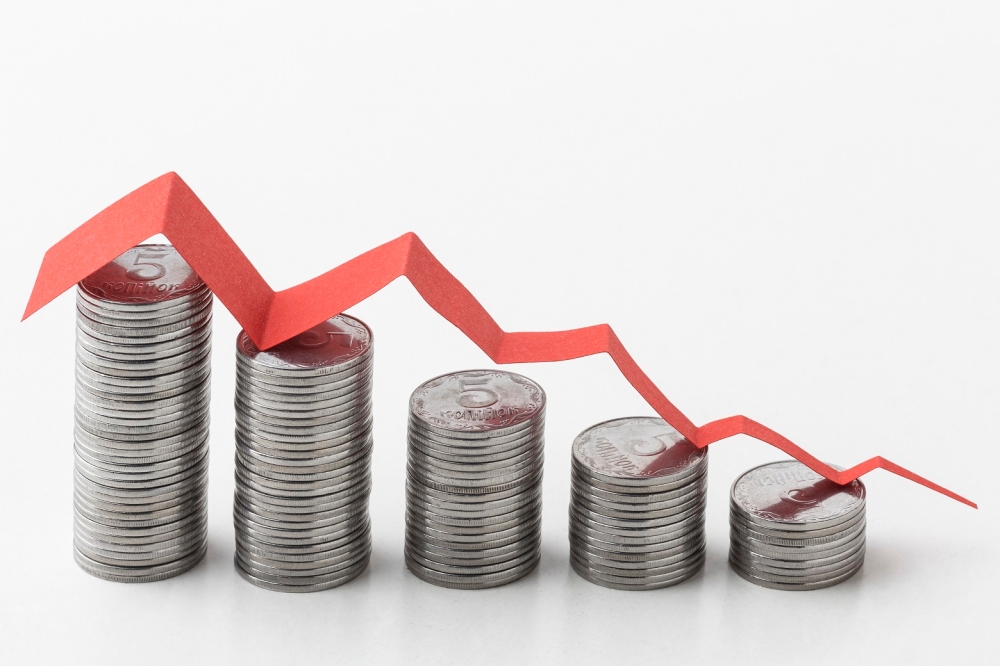
Argentina's national statistics agency (INDEC) announced a worrying acceleration in the inflation rate for the fifth consecutive month, exacerbating the economic crisis gripping Latin America's third-largest economy. According to official data, the consumer price index rose by 2.9% in January compared to December, a figure that exceeded analysts' expectations. This increase is primarily attributed to significant rises in the prices of food, restaurant and hotel services, as well as utility bills, which have placed a heavy burden on citizens.
Historical background of economic instability
The current inflation crisis is not a new phenomenon in Argentina, but rather the latest chapter in a long series of economic challenges the country has faced for decades. Argentina has historically suffered periods of hyperinflation, most notably in the late 1980s and early 1990s, which left deep scars on the country's economic and social memory. The causes of this chronic crisis are intertwined: excessive government spending, often financed by printing money; weak confidence in the local currency (the peso); and mounting external debt that has led to repeated defaults. These factors have collectively eroded the purchasing power of citizens and undermined macroeconomic stability.
Local and international impacts of the crisis
Domestically, high inflation casts a dark shadow over the daily lives of Argentinians. It erodes wages and savings, increases poverty rates, and makes it difficult for families to plan for the future. Economic uncertainty also drives many to convert their savings into US dollars as a way to preserve their value, putting further pressure on the peso's exchange rate and exacerbating the inflationary cycle. Internationally, Argentina's economic instability worries investors and the International Monetary Fund, which has a complex relationship with the country involving bailout programs and debt restructuring. The current government faces the formidable challenge of controlling inflation without triggering a deep recession—a delicate balancing act that requires bold structural reforms and restoring confidence in both domestic and international markets.