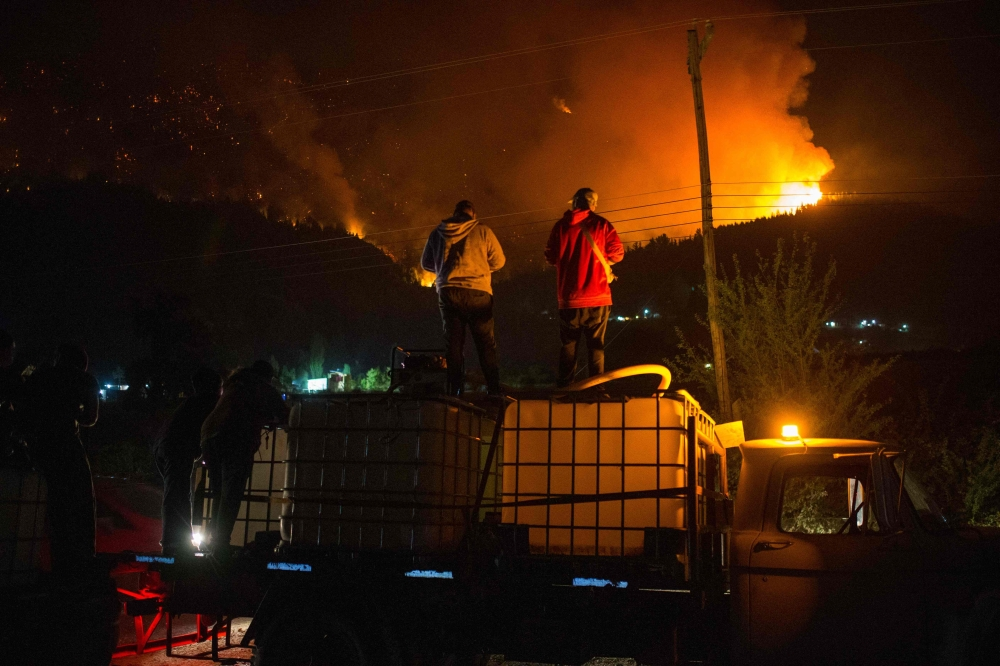
أعلنت الحكومة الأرجنتينية، برئاسة خافيير ميلي، حالة الطوارئ في منطقة باتاغونيا الجنوبية الشاسعة، وذلك في مواجهة حرائق غابات مدمرة خرجت عن السيطرة، وأتت على مساحات شاسعة من النظم البيئية الفريدة في البلاد. ويأتي هذا القرار كخطوة حاسمة لتنسيق الجهود الوطنية وتعبئة الموارد اللازمة لمكافحة الكارثة البيئية التي تهدد أربع مقاطعات رئيسية.
تفاصيل إعلان حالة الطوارئ
وفقًا للتقارير الرسمية، التهمت النيران مساحة تتجاوز 200 ألف هكتار منذ بداية فصل الصيف في نصف الكرة الجنوبي. ويشمل إعلان الطوارئ مقاطعات تشوبوت، لا بامبا، نيوكوين، وريو نيجرو، وهي مناطق تشتهر بجمالها الطبيعي الخلاب وتنوعها البيولوجي الغني. يهدف هذا الإجراء إلى تسهيل الاستجابة السريعة، حيث يسمح بتنسيق أفضل بين الوكالات الحكومية المختلفة، وتخصيص أموال الطوارئ، ونشر فرق إضافية من رجال الإطفاء والقوات المسلحة للمساعدة في عمليات الإخماد وتقديم الدعم للمجتمعات المتضررة.
السياق العام: تغير المناخ وجفاف تاريخي
لا تعتبر حرائق الغابات ظاهرة جديدة في الأرجنتين، لكن العلماء والخبراء يشيرون إلى أن وتيرتها وشدتها قد ازدادت بشكل ملحوظ في السنوات الأخيرة. يُعزى هذا التصعيد إلى مجموعة من العوامل المترابطة، على رأسها تغير المناخ الذي يؤدي إلى موجات حر أطول وأكثر حدة، بالإضافة إلى فترات جفاف طويلة تقلل من رطوبة التربة والنباتات، مما يجعلها وقودًا سهل الاشتعال. وتتفاقم الأزمة بفعل الظواهر المناخية الدورية مثل “النينيو”، التي يمكن أن تزيد من الظروف الجوية القاسية. كما يلعب العامل البشري دورًا، سواء من خلال الإهمال أو الأنشطة الزراعية غير المنظمة التي قد تتسبب في اندلاع الشرارة الأولى للنيران.
الأهمية والتأثيرات المتوقعة للكارثة
تمثل حرائق باتاغونيا كارثة متعددة الأبعاد تتجاوز آثارها الحدود المحلية لتصل إلى المستوى الإقليمي والدولي.
- على المستوى المحلي: تواجه المجتمعات المحلية خطرًا مباشرًا، حيث تهدد النيران المنازل والمزارع والبنية التحتية، مما قد يستدعي عمليات إجلاء واسعة النطاق. كما أن الدخان الكثيف يشكل خطرًا صحيًا خطيرًا على السكان، خاصة كبار السن والأطفال ومن يعانون من أمراض الجهاز التنفسي. اقتصاديًا، تعتمد المنطقة بشكل كبير على السياحة البيئية والزراعة، وهما قطاعان يتأثران بشكل مباشر بتدمير المناظر الطبيعية والأراضي الزراعية.
- على المستوى الإقليمي: تُعد غابات باتاغونيا موطنًا لأنواع نادرة من النباتات والحيوانات، وتدميرها يمثل خسارة فادحة للتنوع البيولوجي في أمريكا الجنوبية. يمكن أن يؤثر تلوث الهواء الناجم عن الحرائق على جودة الهواء في المناطق المجاورة، بما في ذلك الدول المجاورة مثل تشيلي.
- على المستوى الدولي: تعتبر هذه الحرائق بمثابة تذكير صارخ بالتحديات العالمية التي يفرضها تغير المناخ. فباتاغونيا ليست مجرد منطقة نائية، بل هي جزء حيوي من النظام البيئي العالمي. وتساهم الانبعاثات الكربونية الهائلة الناتجة عن احتراق الغابات في تفاقم ظاهرة الاحتباس الحراري، مما يضع مزيدًا من الضغط على المجتمع الدولي لاتخاذ إجراءات مناخية أكثر جدية.