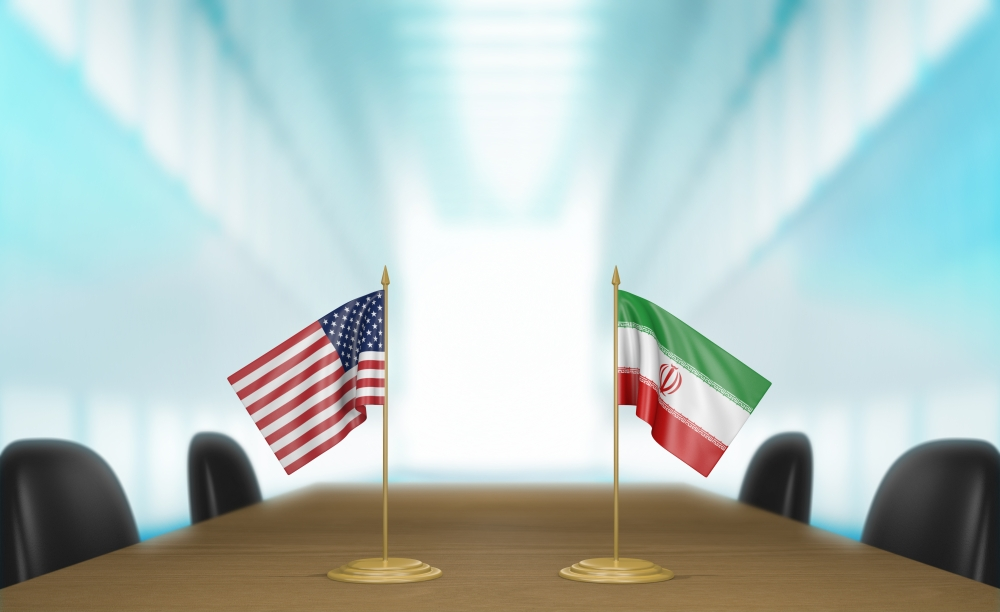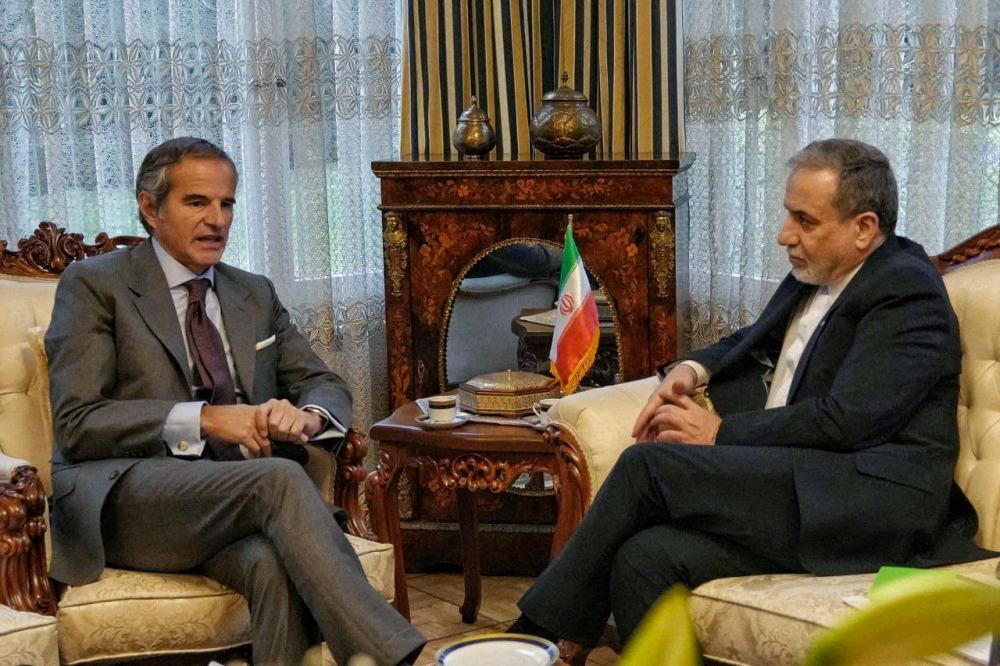
In remarks that blended threat and diplomacy, Iranian Deputy Foreign Minister Abbas Araqchi affirmed his country's absolute right to defend itself in the event of any American attack, hinting that the response could target American interests in the region. At the same time, Araqchi left the door open to peaceful solutions, indicating that there was a "good opportunity" to reach a diplomatic settlement regarding Iran's nuclear program during the upcoming round of talks.
Escalation of rhetoric and potential response
In an interview with CBS News, Araqchi stated, “If the United States attacks us, it is an act of aggression, and we have every right to defend ourselves.” He added that the Iranian response would be “self-defense,” and would be justified and legitimate. Regarding the nature of this response, Araqchi explained that since Iranian missiles cannot reach American soil, the retaliation would target American bases and interests throughout the Middle East, representing a dangerous escalation in the rhetoric between Tehran and Washington.
The window for diplomacy remains open
Despite his sharp tone, Araqchi expressed optimism about the diplomatic track, predicting a new round of talks with the United States in Geneva on Thursday. He indicated that this round, the third of its kind, could witness tangible progress. He said, “I believe that when we meet again, we can work on the elements of a possible agreement and prepare a good text to reach an agreement quickly.” However, Araqchi maintained his country’s right to enrich uranium, a key point of contention with Washington and Western powers.
Background to the tension: From the nuclear agreement to the brink of disaster
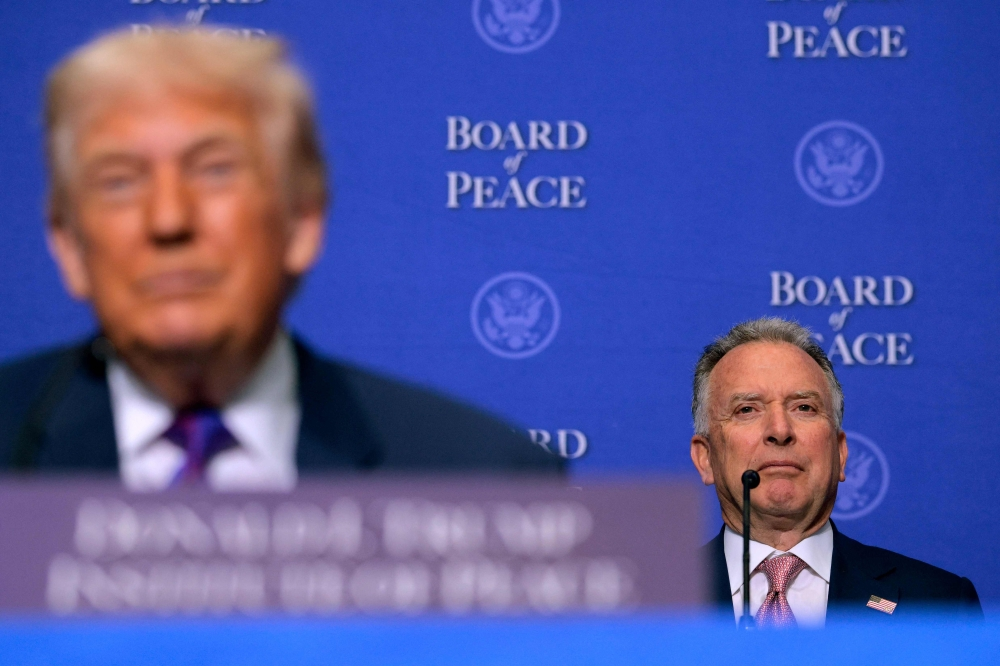
The roots of the current tensions can be traced back to 2018, when the administration of former US President Donald Trump unilaterally withdrew from the Joint Comprehensive Plan of Action (JCPOA), the 2015 nuclear agreement between Iran and the P5+1 group of nations. The agreement aimed to restrict Iran's nuclear activities in exchange for lifting economic sanctions. Following the withdrawal, Washington reimposed harsh sanctions as part of its "maximum pressure" campaign, prompting Tehran to gradually reduce its compliance with the agreement, including increasing its uranium enrichment levels.
Potential regional and international repercussions
These statements carry significant regional and international weight. Regionally, the escalating threats exacerbate instability in the Middle East, alarm US allies, and increase the risk of an accidental military confrontation. Internationally, any military escalation could directly impact maritime security in the Strait of Hormuz, a vital artery for global energy supplies, potentially leading to a sharp rise in oil prices. Other international powers, particularly European nations, Russia, and China, continue their efforts to salvage the nuclear agreement and prevent a collapse of the diplomatic process, which could plunge the region into a wider war.